Refrigerant leaks are some of the most disruptive and expensive issues for HVAC, refrigeration and automotive cooling systems. A system may be losing performance long before any technician can see visible symptoms, and by the time the problem is obvious, waste of energy, loss of refrigerant and stress to equipment can be significant. Which is why the way you find leaks is just as important as the repair.
The short answer is simple: Refrigerant fluorescent uv leak detection dye is superior to electronic sniffers for micro-leaks because it leaves a visible trail, works continuously inside the system, and is less affected by environmental conditions.
It is useful to compare the behavior of each method under actual service conditions to see why dye is often the better choice.
What Is Refrigerant Leak Detector Dye and How Does It Work?
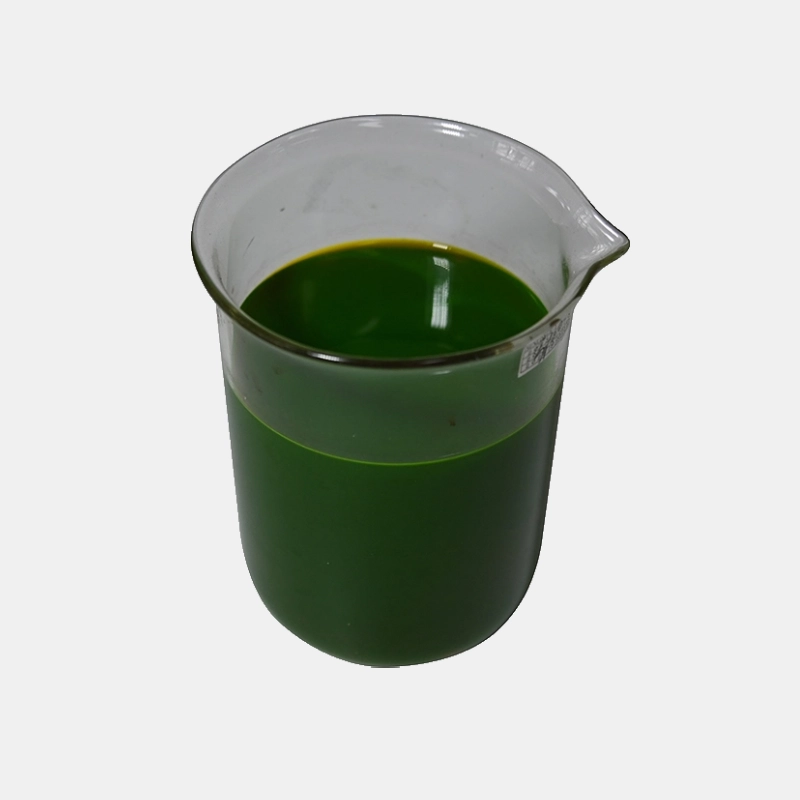
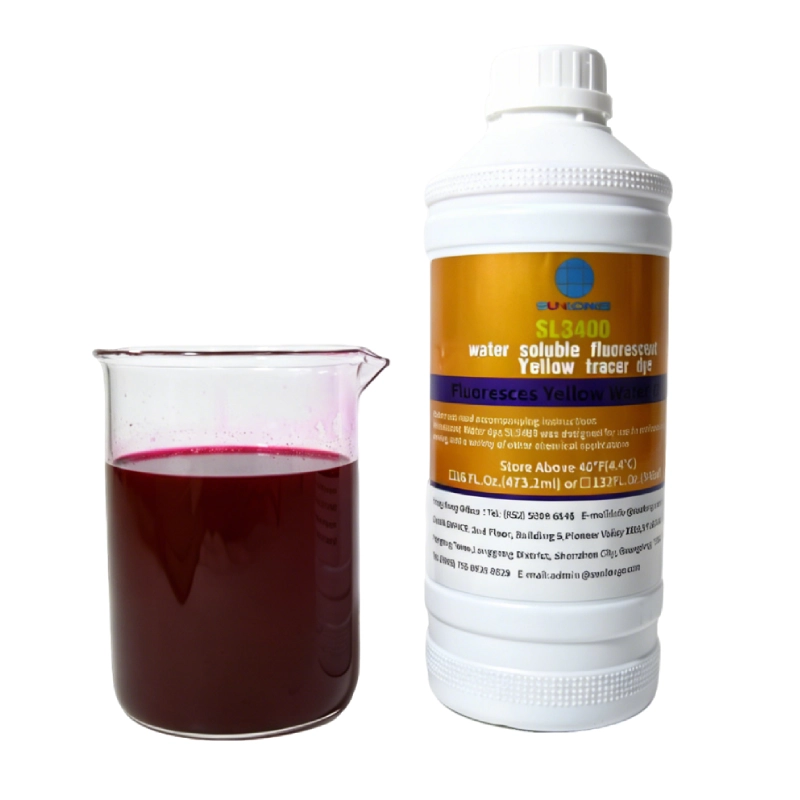
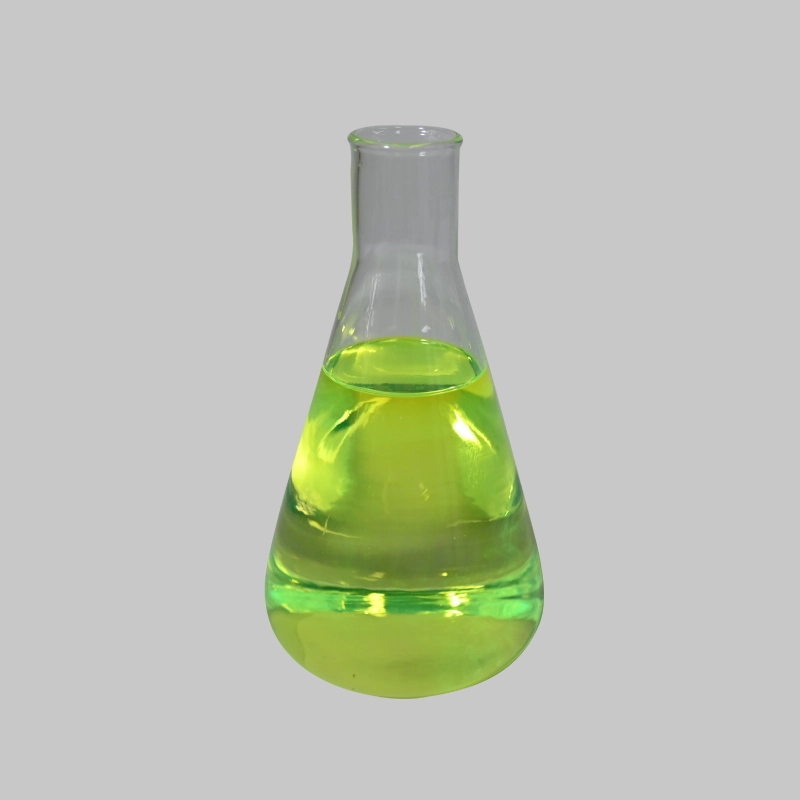
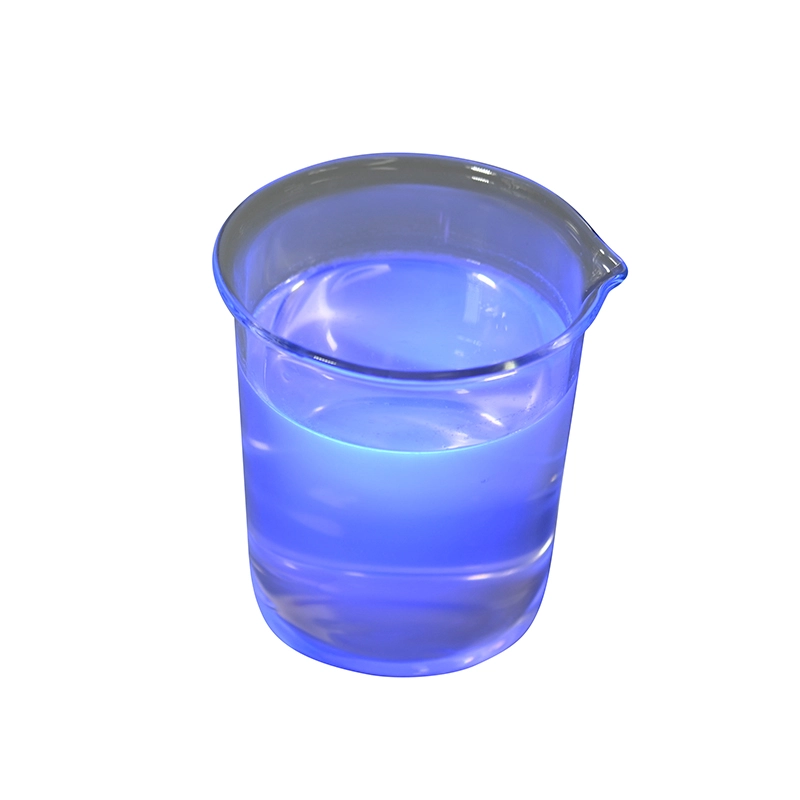
Refrigerant Leak Detector Dye is a UV-reactive additive that is carried with refrigerant and lubricant and then fluoresces at the exact leak location when viewed under UV light.
The dye will enter the HVAC or refrigeration system and travel with the refrigerant through the compressors, coils, valves, lines and fittings. If the system is leaking, the dye is carried out with the refrigerant and oil and leaves a fluorescent mark that the technicians can later identify. This is especially useful for leaks that are so small that they won’t immediately cause an obvious performance problem.
This provides a practical, field-proven method for finding even the most elusive leaks, for companies seeking a reliable refrigerant leak detection dye.
How the Dye Remains Traceable
Unlike temporary gases that disperse quickly, dye stays in the system long enough to reveal intermittent or slow leaks. That persistence is a major advantage when a system only leaks under certain pressure or temperature conditions.
Why UV Light Matters
The dye will glow under ultraviolet light and provide a clear visual signal. Technicians can walk suspect areas and instantly know where refrigerant has escaped.The dye is formulated to glow under ultraviolet light, creating a clear visual signal. Technicians can inspect suspected areas and immediately see where refrigerant has escaped.
This visual confirmation reduces uncertainty and helps teams:
-
Find the leak source faster
-
Avoid unnecessary part replacement
-
Verify repairs more confidently
Why It Is Effective on Micro-Leaks
Micro-leaks usually leak too little refrigerant to be caught consistently by a quick scan of the sensor. Dye solves that problem by accumulating at the leak point over time, so that the leak location is visible even with a very low actual leak rate.
What Are Electronic Leak Detectors and How Do They Work?
Electronic leak detectors, widely known in the HVAC and refrigeration industry as “sniffers,” are handheld diagnostic tools engineered to electronically identify and measure trace concentrations of refrigerant gas suspended in ambient air. Built as a rapid, non-intrusive screening solution, they serve as a common first step in leak troubleshooting, but their real-world accuracy and reliability are often inconsistent under dynamic, unregulated field conditions.
Sniffers are popular because they are portable and give immediate feedback. Depending on model, they may use heated diode, infrared, or corona discharge sensing technology. In theory, they detect refrigerant molecules around a suspected leak area and notify the technician.
Sniffers are widely used because they are portable and can provide immediate feedback. Depending on the model, they may use heated diode, infrared, or corona-discharge sensing technology. In theory, they detect refrigerant molecules around a suspected leak area and alert the technician.
Common Strengths of Sniffers
Electronic detectors can be helpful when:
-
You need a fast preliminary scan
-
The system is accessible
-
Air movement is minimal
-
The environment is clean and controlled
In ideal conditions, they are convenient and efficient. That is why they remain common in HVAC service operations.
Where Sniffers Lose Accuracy
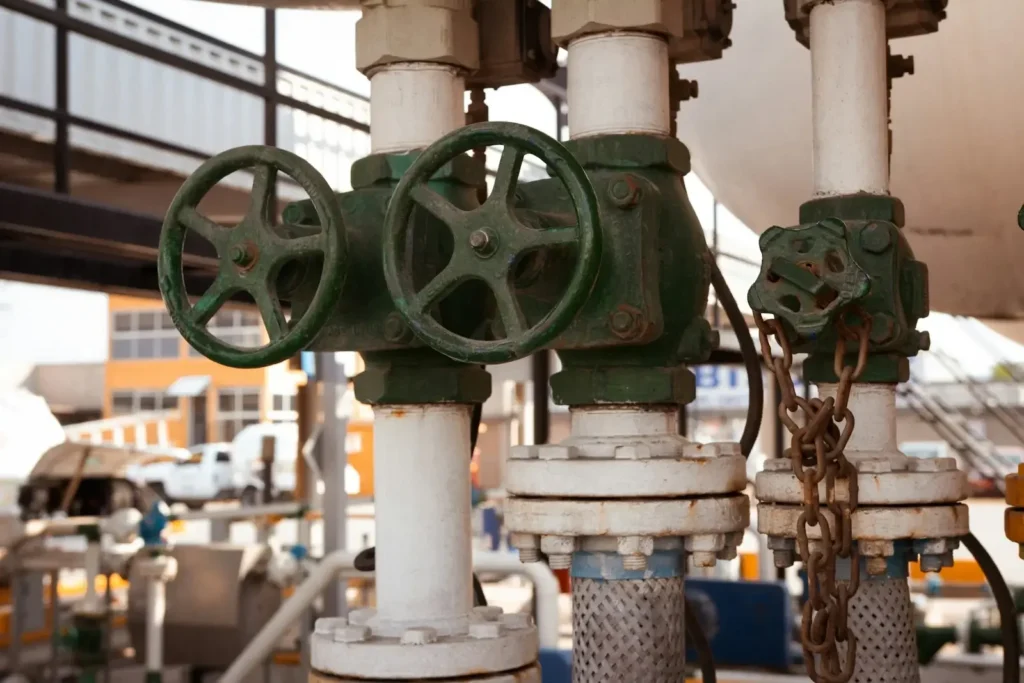
The issue is that many real-world service environments are not perfect. Readings can be affected by air flow, humidity, contamination and background refrigerant levels. It is also possible that very small leaks might leak refrigerant too slowly to be reliably detected by a detector during a short pass.
Why This Matters in Practice
A sniffer can tell you that refrigerant is present in an area, but it does not leave evidence behind. Once the gas disperses, the signal is gone. That means the technician may need to repeat scans, test multiple points, and still not be certain which component is actually leaking.
Refrigerant Leak Detector Dye vs Electronic Sniffers: Which Is Better for Micro-Leaks?
Refrigerant leak detector dye is better for micro-leaks because it provides visual proof, long-term traceability, and greater consistency in difficult environments.
The most important difference is not just how each method detects a leak, but what kind of evidence it produces. A sniffer detects airborne refrigerant in the moment. Dye creates a physical marker at the source. That difference makes dye more useful when the leak is tiny, intermittent, or hidden in a crowded system.
Comparison Table
| Feature | Electronic Sniffer | Refrigerant Leak Detector Dye |
|---|---|---|
| Micro-leak visibility | Moderate | High |
| Visual confirmation | No | Yes |
| Works over time | No | Yes |
| Affected by airflow | Yes | Much less |
| Easy to pinpoint source | Sometimes | Usually |
| Useful after the initial scan | Limited | Strong |
Accuracy in the Field
Accuracy is where dye often wins decisively. In a complex mechanical system, the technician does not just need to know that refrigerant is somewhere nearby. They need to know exactly where it is escaping. Dye makes that easier because the leak site becomes visible rather than inferred.
Reliability Under Real Conditions
Electronic sniffers are useful tools, but readings are sensitive to environmental conditions. Results can become unreliable if the system is in a windy outdoor environment, a busy mechanical room or a place with residue and contaminants. The dye is less bothered by those conditions because it stays in the refrigerant circuit and shows up only where the leak really is.
Dye is also the most reliable choice for ongoing service work for facilities considering broader UV leak detection solutions.
Longer-Term Diagnostic Value
Dye has the advantage of being able to do multiple inspections. If the leak is slow or intermittent, the system can be rechecked at a later time without having to re-start the diagnostic process. This is especially useful in maintenance programs and in recurring service contracts.
Why Does Dye Work So Well on Hard-to-Find Leaks?
Dye works well because it produces a lasting fluorescent trace exactly where refrigerant escapes, even when the leak is too small to notice immediately.
The frustration with micro-leaks is usually because they do not act like obvious failures. A system may run fine for days or weeks before performance falls off. In that time a sniffer may miss the problem if the leak rate is low or the scan is too short. Dye solves this by creating evidence that piles up.
Visual Confirmation at the Exact Source
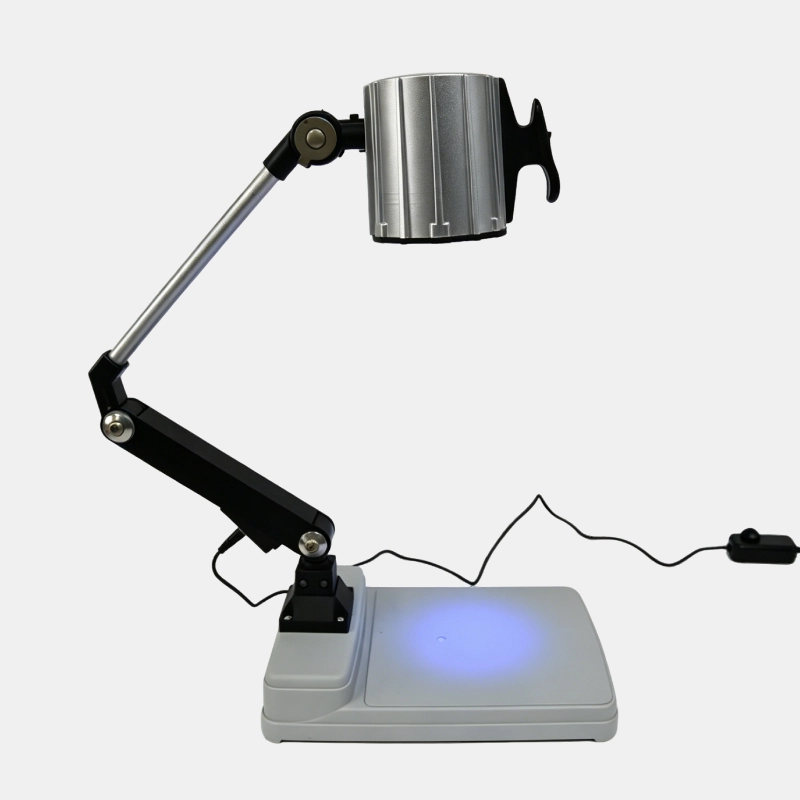
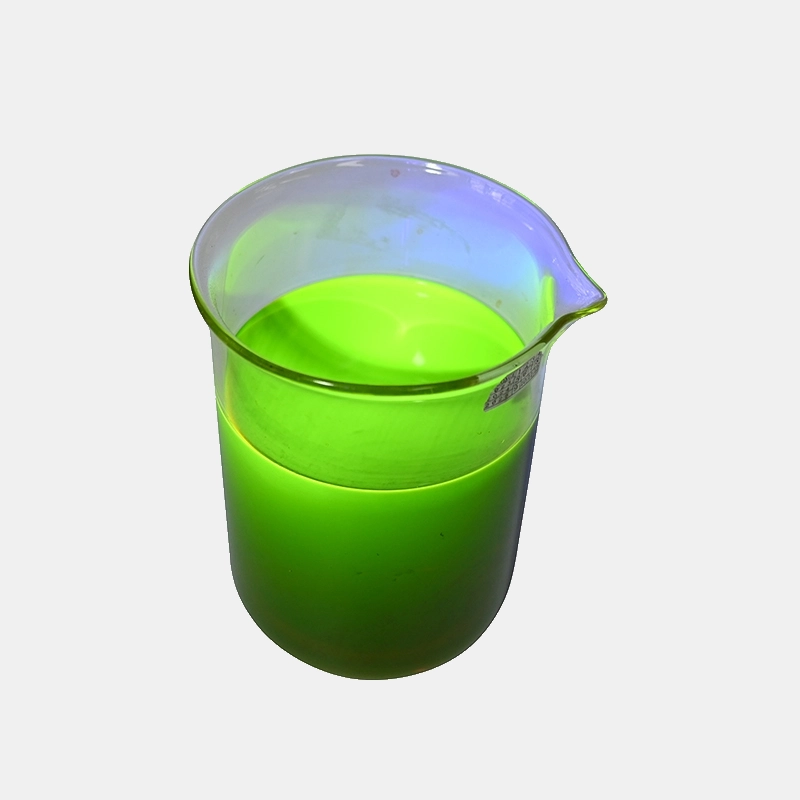
Once the fluorescent dye has fully circulated throughout the entire refrigerant circuit and mixed uniformly with the system’s working fluid, technicians can systematically inspect all critical components—including pipe fittings, brazed joints, evaporator and condenser coils, service valves, compressor seals, and threaded connection points—using a dedicated UV or blue-light inspection lamp.
When a leak is present, the dye escapes alongside the refrigerant and leaves a bright, highly concentrated fluorescent deposit directly at the point of origin, rather than diffusing into a vague, hard-to-pinpoint concentration gradient.This precise, location-specific visual evidence eliminates the guesswork inherent in indirect detection methods.
Unlike tools that only indicate a general area of elevated refrigerant concentration, dye-based inspection delivers unambiguous, site-specific proof of leakage, which drastically reduces the risk of misdiagnosis, prevents unnecessary disassembly of non-faulty components, and cuts down on wasted labor hours spent triangulating the leak source through repeated scans.
Better Detection of Intermittent Leaks
Traditional electronic sniffers rely on real-time sampling of ambient refrigerant levels, meaning they can only detect leaks that are actively releasing refrigerant at the exact moment of the scan. If the leak is dormant during inspection—for example, when the system is powered off, running under low load, or sitting at ambient room temperature—the sniffer will return a false negative, leaving the root cause unfound and the problem unresolved for the end user.
In contrast, fluorescent dye remains dissolved in the refrigerant circuit continuously, for months or even years after injection. Whenever an intermittent leak occurs, even for just a few seconds during a pressure cycle, dye is deposited at the leak site and remains visible under UV light long after the gap has closed. This permanent visual record allows technicians to locate and verify elusive, cycle-dependent leaks on their schedule, regardless of whether the leak is active at the time of inspection.
Better Performance in Complex Equipment
Modern systems are often built with many joints, hidden lines, and tightly packed components. That complexity makes leak isolation harder. Dye helps technicians narrow down the exact failure point rather than simply identifying a general area of concern.
For applications like these,UV Dye for HVACR can be especially useful because it is designed for compatibility with common service environments.
When Should You Choose Dye Instead of a Sniffer?
Choose dye when the leak is small, recurring, hidden, or difficult to confirm with a quick electronic scan.
There is still a place for electronic detectors, especially in fast preliminary inspections. But dye becomes the better choice when accuracy matters more than speed, or when prior scan results have been inconclusive.
Best Use Cases for Dye
-
Systems with repeated refrigerant loss
-
Suspected leaks that are too small to localize
-
Equipment with many joints and hidden components
-
Preventive maintenance programs
-
Post-repair verification
-
Long-term monitoring in service contracts
Industrial and Commercial Refrigeration
In large refrigeration systems, a tiny leak can create substantial losses over time. Dye is valuable because it allows service teams to identify problems without dismantling large sections of equipment or guessing based on pressure decline alone.
Automotive AC Applications
Automotive systems often have limited access and small components, which makes pinpointing a slow leak difficult. In these cases, technicians frequently rely on automotive AC dye kits to improve visibility during inspections and return visits.
Are There Any Limitations to Refrigerant Leak Detector Dye?
Yes, but they are manageable when the dye is used correctly and paired with proper UV inspection tools.
Dye is no exception to the fact that no detection method is perfect. Its effectiveness depends on correct application, correct dosage and the inspection procedure of the technician. These limitations are generally more manageable than the false readings and environmental sensitivity that plague sniffers.
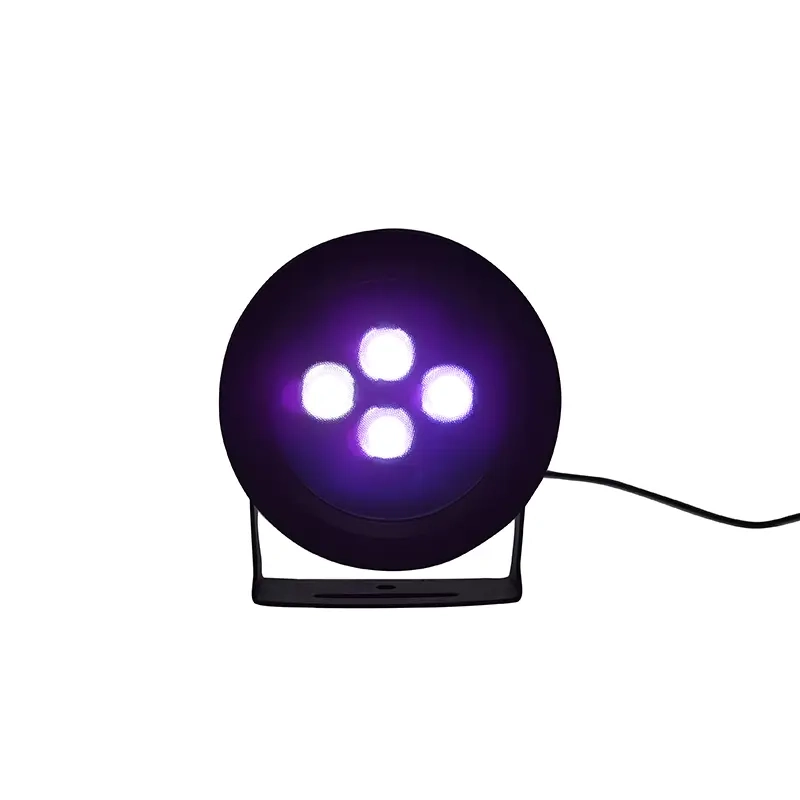
UV Equipment Is Required
Dye cannot be evaluated properly without UV light and appropriate eyewear. That means technicians need the right tools on hand to benefit from the fluorescence.
Correct Dosage Matters
Too much dye is unnecessary and may create avoidable residue. Too little may not provide enough visual evidence. Following application guidelines is essential.
Product Quality Affects Results
The dye should be compatible with the refrigerant and lubricant used in the system. Poor-quality or incompatible products can reduce performance. For that reason, many service teams prefer verified fluorescent leak detection products that are designed for HVAC and refrigeration use.
How Do Cost and ROI Compare?
Dye often delivers better return on investment because it reduces repeat visits, shortens diagnostics, and lowers the cost of missed leaks.
A sniffer may seem cheaper at first glance because the device itself may be a simple one-time purchase. But the real cost of leak detection is more than the price of the tool. It covers time spent, missed leaks, repeated troubleshooting and refrigerant loss.
Cost Comparison Table
| Cost Factor | Electronic Sniffer | Refrigerant Leak Detector Dye |
|---|---|---|
| Initial tool cost | Lower to moderate | Moderate |
| Ongoing maintenance | Calibration required | Low |
| Repeat diagnostics | More likely | Less likely |
| Risk of missed leaks | Higher | Lower |
| Long-term value | Moderate | Strong |
The Hidden Cost of Missed Leaks
A missed micro-leak can lead to:
-
Higher utility bills
-
Refrigerant replacement costs
-
Compressor strain
-
Reduced equipment life
-
Compliance issues
In many cases, those hidden losses exceed the price difference between a sniffer and dye-based detection.
Better Efficiency for Maintenance Teams
Dye supports a more streamlined service workflow. Once it is in the system, it can help technicians confirm and recheck leaks over time, making it especially useful for facilities with recurring maintenance needs.
What Are the Best Practices for Using Refrigerant Leak Detector Dye?
Short answer: Use the right amount. Let it circulate properly. Inspect systematically. Check the results under UV light.
Dye isn’t hard to use, but techs have much better results when there is a consistent process. A disciplined workflow means leaks don’t fall through the cracks, and you have the best possible visibility.
Recommended Workflow
-
Confirm the system is compatible with the dye
-
Inject the proper quantity
-
Operate the system long enough for circulation
-
Inspect all high-risk points under UV light
-
Record findings and complete the repair
-
Reinspect after service if needed
Where to Inspect First
Start with components that are most likely to leak:
-
Service ports
-
Brazed or joined connections
-
Valves and seals
-
Coils
-
Areas with vibration or thermal cycling
Safety and Handling Notes
Technicians should always:
-
Wear UV-protective eyewear
-
Avoid direct UV exposure
-
Follow manufacturer guidance for injection and inspection
-
Clean contaminated surfaces before final verification
Why Are More Technicians Moving Toward Dye-Based Detection?
Because dye gives technicians clearer answers, faster verification, and better long-term confidence in the repair.
The service industry values speed, but it values certainty even more. A tool that produces a temporary signal without showing the actual source can waste time and leave doubts unresolved. Dye reduces that uncertainty.
It is especially useful in environments where:
-
Leaks recur after repair
-
Access is limited
-
Environmental conditions make sniffers unreliable
-
Long-term monitoring is important
For B2B maintenance teams and service contractors, better detection translates into stronger customer trust, less rework, and more efficient service operations.
Conclusion
Electronic sniffers still play a role in leak detection, especially for quick screening and initial diagnostics. But for more certainty in locating micro-leaks the better solution is Refrigerant Leak Detector Dye.
Its advantages are practical and immediate: it leaves a visible trace, it keeps working inside the system, and it remains reliable in conditions which often confuse electronic tools. For HVAC, refrigeration and automotive service teams, that combination makes dye one of the most effective ways to find hidden refrigerant loss.
As system complexity grows and demand for increased efficiency increases, dye-based detection is no longer just a backup. It’s the smarter, more dependable standard for many applications.
FAQ
1. How long does Refrigerant Leak Detector Dye remain effective in a system?
In many systems, the dye remains effective for extended periods, allowing technicians to inspect for leaks long after the initial injection.
2. Can dye be used alongside electronic leak detectors?
Yes. Some technicians use both methods together, with sniffers for fast screening and dye for final confirmation and source identification.
3. Is Refrigerant Leak Detector Dye suitable for preventive maintenance?
Yes. It is often used in preventive maintenance programs because it helps identify slow leaks before they become major system failures.