Water leaks can be expensive, disruptive, and difficult to pinpoint, especially in large plumbing systems, industrial loops, cooling circuits, and hidden infrastructure. When the source is not visible, teams often need a tracing method that is fast, accurate, and safe for the system being tested.
The right UV dye for water leak detection helps identify the exact path of a leak by making the flow visible under UV light, but the best choice depends on water chemistry, system type, detection distance, and whether the application requires colorless tracing or highly visible fluorescence.
This guide explains how to evaluate the most important selection factors so you can choose the most effective tracer dye for your project.
What Is UV Dye for Water Leak Detection?
UV dye for water leak detection is a fluorescent tracer added to water so leaks, circulation patterns, or flow paths can be observed under ultraviolet light. In simple terms, it makes otherwise invisible water movement easier to trace.
These dyes are widely used in plumbing diagnostics, HVAC systems, cooling towers, industrial water loops, and environmental tracing. A properly selected tracer can help technicians distinguish between a true leak and surface condensation, identify cross-connections, and locate losses with much greater confidence. In many applications, a specialized UV Dye for Water solution is preferred because it offers strong fluorescence and consistent tracing performance.
Why fluorescent tracing works
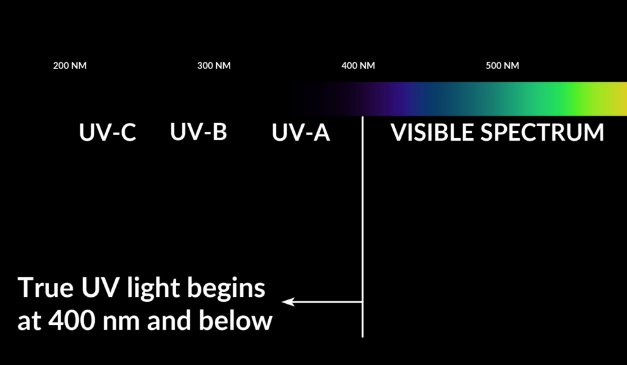
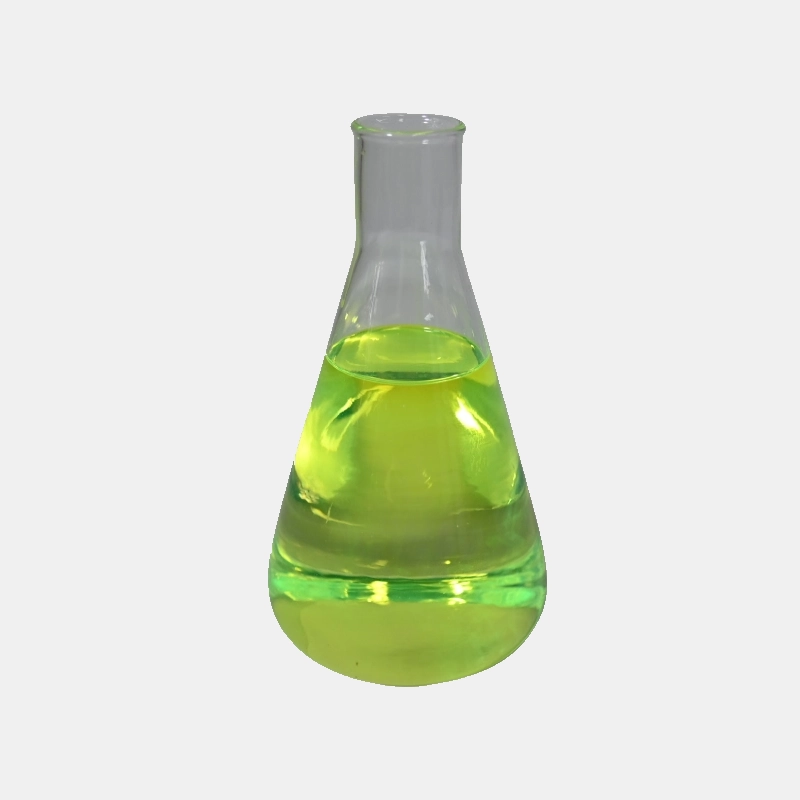
Fluorescent dyes absorb UV energy and re-emit it as visible light, often appearing bright yellow-green under a suitable lamp. This makes even a small amount of liquid easier to see on concrete, in soil, around joints, or inside equipment housings.
Where it is commonly used
-
Plumbing leak detection
-
HVAC and chilled-water system tracing
-
Cooling tower and condenser diagnostics
-
Tank, pipe, and seal testing
-
Environmental and hydrology studies
-
Industrial process water monitoring
How Do You Choose the Right Dye Type?
The best dye depends on the goal of the test, the system material, and how much visual contrast you need. In general, choose a dye based on solubility, brightness, background interference, and compatibility with the water system.
A UV Dye can be selected when you need colorless behavior in normal light but strong fluorescence under UV. That is useful when visible staining must be minimized or when a discreet tracer is preferred.
1. Match the dye to the test objective
Different leak-detection jobs call for different tracer characteristics:
|
Test objective
|
Best dye characteristic
|
Why it matters
|
|---|---|---|
|
Fast leak location
|
High fluorescence intensity
|
Easier to spot small losses
|
|
Discreet tracing
|
Colorless in normal light
|
Reduces visible residue
|
|
Long-distance tracing
|
Strong signal retention
|
Improves detection at distance
|
|
Sensitive systems
|
Low-interference formula
|
Helps avoid contamination concerns
|
2. Consider whether you need visible or invisible tracing
Some jobs benefit from a dye that is visibly colored under regular light. Others require a nearly invisible solution that only shows under UV illumination. If customers, inspectors, or operators must avoid visible staining, a colorless fluorescent option is often better.
3. Check compatibility with the water system
Not all waters behave the same. Hard water, treated water, reclaimed water, and systems with biocides or surfactants may affect how a tracer performs. Review:
-
pH range
-
Temperature exposure
-
Presence of chlorine or treatment chemicals
-
Filtration or recirculation conditions
-
Expected contact time
When in doubt, test a small sample first.
What Water Conditions Affect Dye Performance?
Water chemistry and operating conditions can significantly change how a tracer looks and how long it remains detectable. If the dye does not match the environment, fluorescence may weaken or the trace may disperse too quickly to be useful.
Water clarity and background color
Clear water usually gives the strongest visual result. Murky water, rust, algae, or chemical discoloration can reduce contrast. In those cases, a stronger fluorescent tracer may be necessary to overcome background interference.
Temperature and circulation
Warm water can speed up movement through the system, which may be helpful for quick tracing but can also dilute the dye faster. In high-flow systems, choose a product with stable visibility so the signal remains detectable long enough for inspection.
pH and chemical additives
Some water treatment chemicals can alter the behavior of fluorescent compounds. According to the U.S. Environmental Protection Agency, water chemistry management is important for maintaining treatment effectiveness and system integrity. When testing treated systems, always confirm that the tracer is suitable for the operating environment.
How Much Dye Should You Use?
The right amount depends on system volume, flow rate, and the sensitivity of your detection equipment. Using too little can produce a weak signal, while using too much can make the test unnecessarily messy or difficult to interpret.
A practical approach is to start with the minimum effective dose and increase only if the signal is too faint. For larger systems, calculate dosage based on volume and expected dilution. For smaller localized leak tests, a small measured amount is often sufficient.
Dosage planning checklist
-
Estimate total water volume
-
Identify flow speed and turnover rate
-
Determine UV lamp sensitivity
-
Test visibility at the expected inspection distance
-
Adjust concentration after a pilot test
Practical rule of thumb
If the leak is expected to be small or hidden, prioritize brightness and detection sensitivity. If the environment is sensitive or the system is large, focus on controlled dosage and low residue.
Which Detection Method Works Best with UV Dye?
The dye itself is only part of the solution. Successful leak detection also depends on how the tracer is observed. The right combination of dye and inspection method improves accuracy and reduces false positives.
UV lamp selection
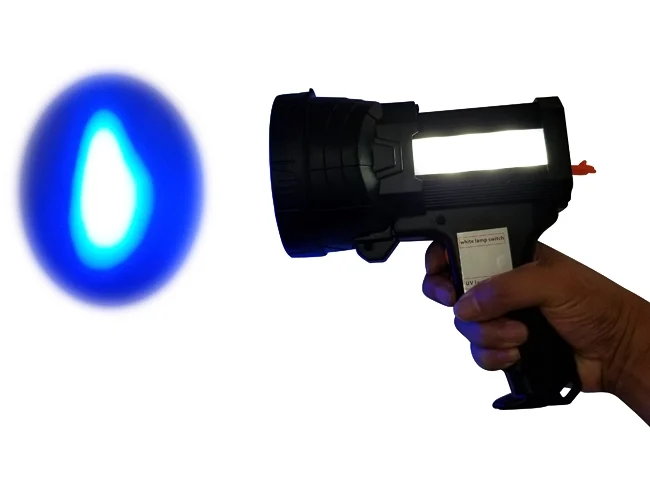
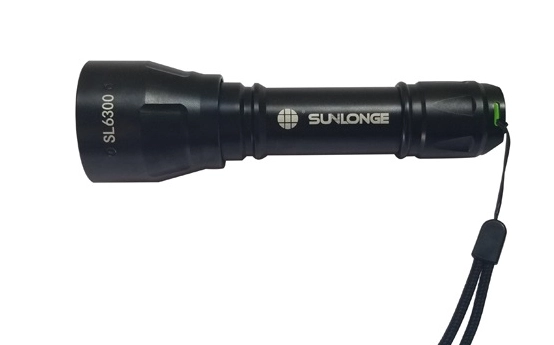
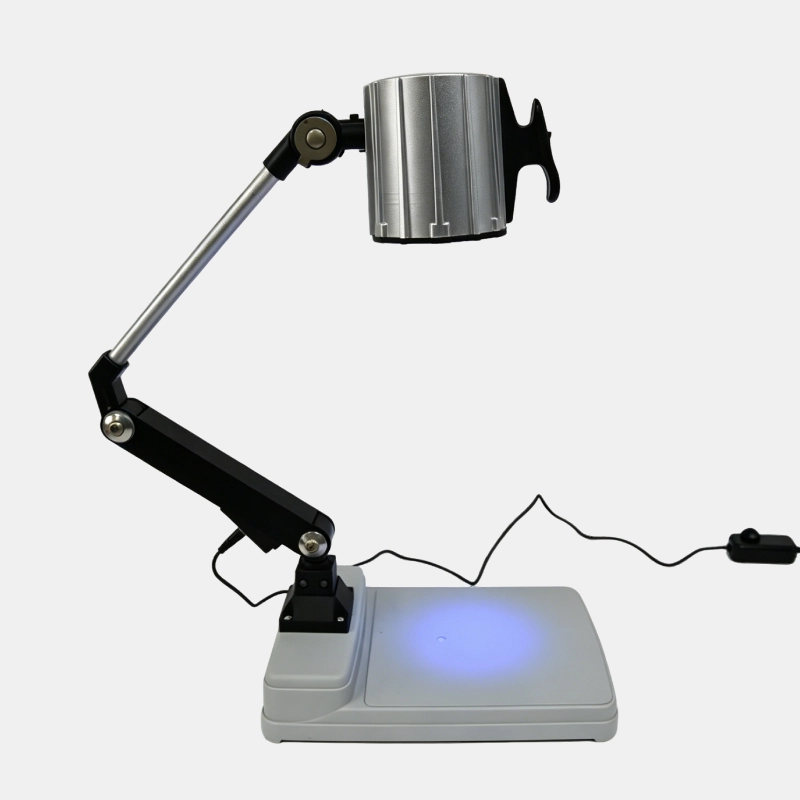
Use a UV lamp that matches the dye’s excitation range. Poor lamp choice can make even a strong dye appear weak. For field work, inspect under low ambient light whenever possible to improve contrast.
Inspection distance and access
If the leak is in a confined area, a standard handheld lamp may be enough. For larger installations, you may need higher output lighting or closer inspection points. Longer inspection distances generally require a stronger fluorescent signal.
Surface type matters
Different surfaces reflect fluorescence differently:
|
Surface type
|
Visibility
|
Notes
|
|---|---|---|
|
Smooth metal
|
High
|
Easy to spot runoff
|
|
Painted surfaces
|
Moderate
|
May reflect or absorb light
|
|
Concrete
|
High to moderate
|
Useful for tracing seepage
|
|
Soil or gravel
|
Moderate
|
Depends on moisture content
|
|
Plastic housings
|
Variable
|
Can be affected by glare
|
What Mistakes Should You Avoid?
Choosing a tracer dye is often easier when you know what can go wrong. Many leak tests fail because of poor planning rather than poor products.
Using the wrong dye concentration
Too much dye can overwhelm the system, while too little can produce a weak signal. Always calibrate with the actual water volume instead of guessing.
Ignoring water treatment additives
If the system contains disinfectants, corrosion inhibitors, or specialty chemicals, confirm compatibility before full-scale use.
Testing in bright light
UV fluorescence is much easier to see in dim conditions. If you test in bright sunlight or strong indoor lighting, the dye may seem less effective than it really is.
Assuming all fluorescing dyes perform the same
Different tracer formulations vary in brightness, solubility, persistence, and residue behavior. A dye designed for one application may not be ideal for another.
How Do You Compare Dye Options Before Buying?
A structured comparison helps you choose the right product for the job instead of relying on appearance alone.
|
Evaluation factor
|
What to look for
|
Why it matters
|
|---|---|---|
|
Fluorescence intensity
|
Bright, clear glow under UV
|
Better visibility
|
|
Solubility
|
Fully mixes with water
|
Prevents clumping
|
|
Residue level
|
Low visible staining
|
Easier cleanup
|
|
Compatibility
|
Works with your water chemistry
|
Reduces test failure
|
|
Stability
|
Holds signal long enough
|
Improves inspection window
|
|
Packaging size
|
Fits project volume
|
Lowers waste and cost
|
If you are sourcing from a supplier, ask for technical data, recommended dosage guidance, and any application notes. A quality UV Dye for Water product should be supported by clear usage instructions and consistent batch performance.
What Is the Best Selection Process?
The most reliable way to choose a tracer is to follow a repeatable process instead of selecting by price alone. The goal is to match the dye to the system and the inspection method.
Step-by-step selection process
-
Define the leak detection goal
Decide whether you need leak location, flow tracking, contamination tracing, or system verification. -
Review the water conditions
Check temperature, chemistry, clarity, and treatment additives. -
Select the dye type
Choose fluorescent, colorless, or higher-visibility tracer based on the application. -
Verify lamp compatibility
Make sure the UV source can excite the tracer effectively. -
Run a small test
Confirm visibility, dosage, and cleanup before full deployment. -
Scale up carefully
Apply only the amount needed for accurate detection.
Why UV Dye Is Often Better Than Other Methods
Compared with pressure testing, infrared inspection, or visual walkthroughs alone, dye tracing can show the actual movement path of water. That makes it especially useful when leaks are intermittent, hidden behind structures, or spread across multiple components.
It is not always a replacement for other diagnostic tools, but it is often one of the fastest ways to narrow down the source of a problem. For maintenance teams, contractors, and facility managers, that can mean less downtime and fewer unnecessary repairs.
Conclusion
Choosing the right UV dye for water leak detection comes down to matching the tracer to the water conditions, visibility needs, and inspection method. The best product is not always the brightest or the cheapest; it is the one that gives you a clear result in the real environment where the leak exists.
By evaluating fluorescence strength, solubility, compatibility, and dosage, you can improve detection accuracy and reduce trial-and-error in the field. When selected carefully, a high-quality fluorescent tracer becomes a practical tool for faster troubleshooting and more confident leak diagnosis.
FAQ
1. Can UV dye be used in drinking water systems?
It depends on the product formulation and local regulations. Always confirm suitability before use and follow the supplier’s technical guidance.
2. How long does UV dye remain detectable in water?
Detection time varies by dilution, flow rate, temperature, and UV lamp strength. In recirculating systems, visibility may last longer than in fast-moving or highly diluted water.
3. Will UV dye stain pipes or surfaces?
Some tracers are designed to minimize residue, but absorption and staining can still vary by material. Testing a small area first is the safest approach.