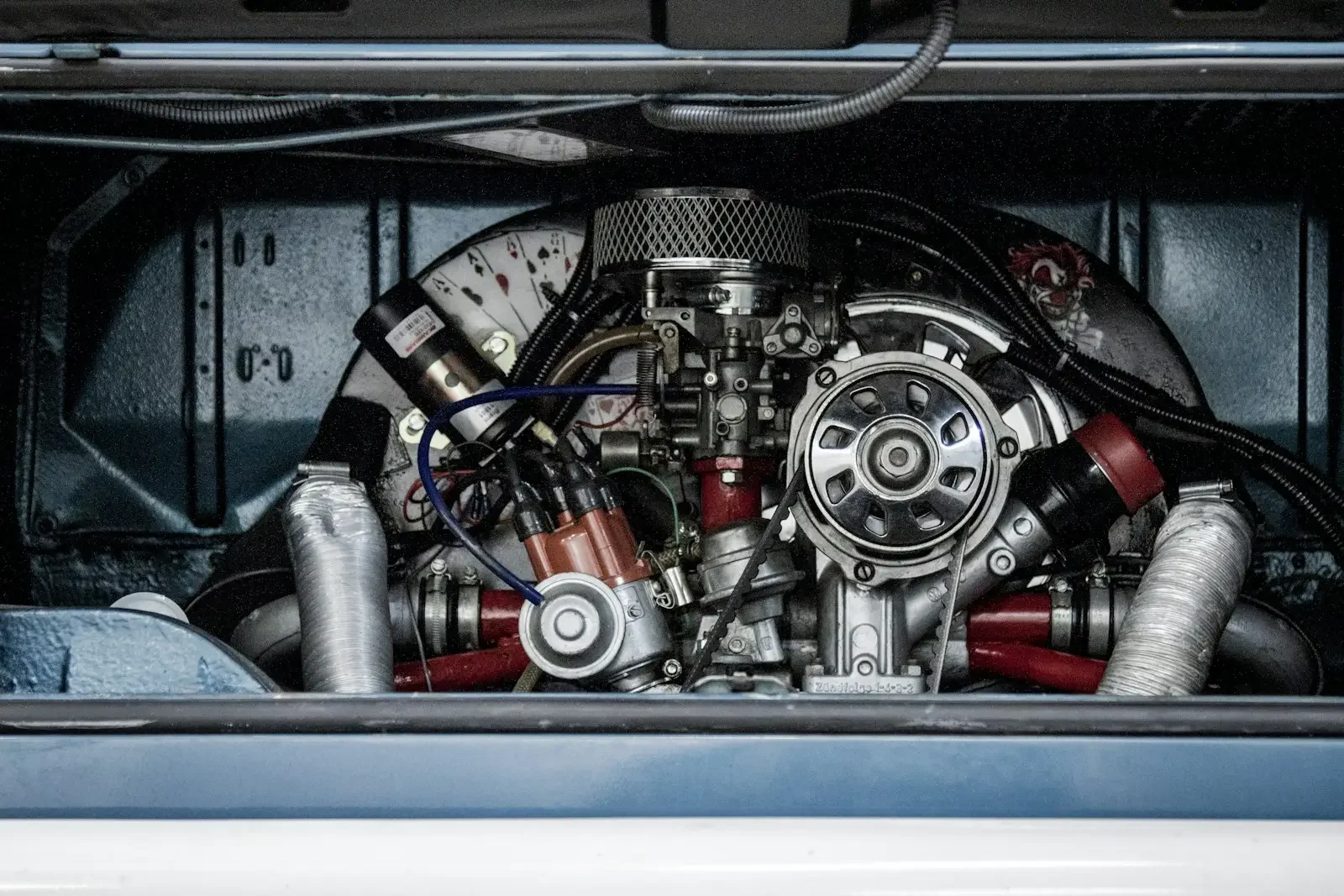
Air conditioning systems can lose performance for many reasons, but refrigerant leaks are among the most costly and difficult to diagnose. In commercial and residential HVAC service, technicians need a detection method that is fast, accurate, and practical in the field. UV tracing remains one of the most reliable ways to locate small leaks that are otherwise invisible.
The right UV light for AC leak detection depends on more than brightness alone. It must match the fluorescent dye, illuminate the inspection area effectively, and support safe, efficient troubleshooting across different system types.
This guide explains the key factors that determine UV light performance, how to compare options, and what to look for before making a purchase.
Why UV Light Matters in AC Leak Detection
A UV light makes fluorescent dye visible so technicians can identify refrigerant escape points quickly and accurately.
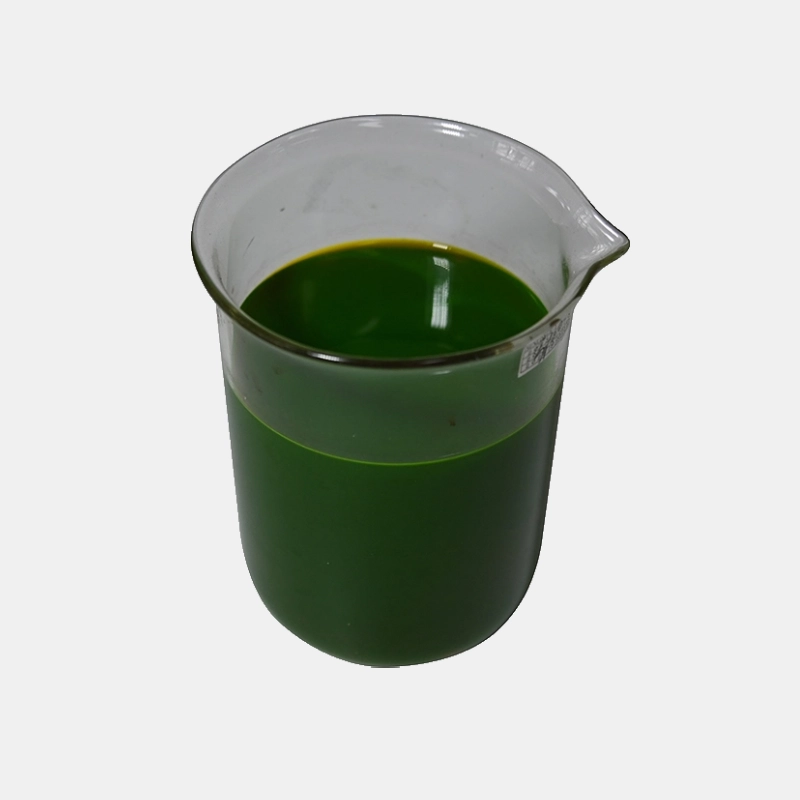
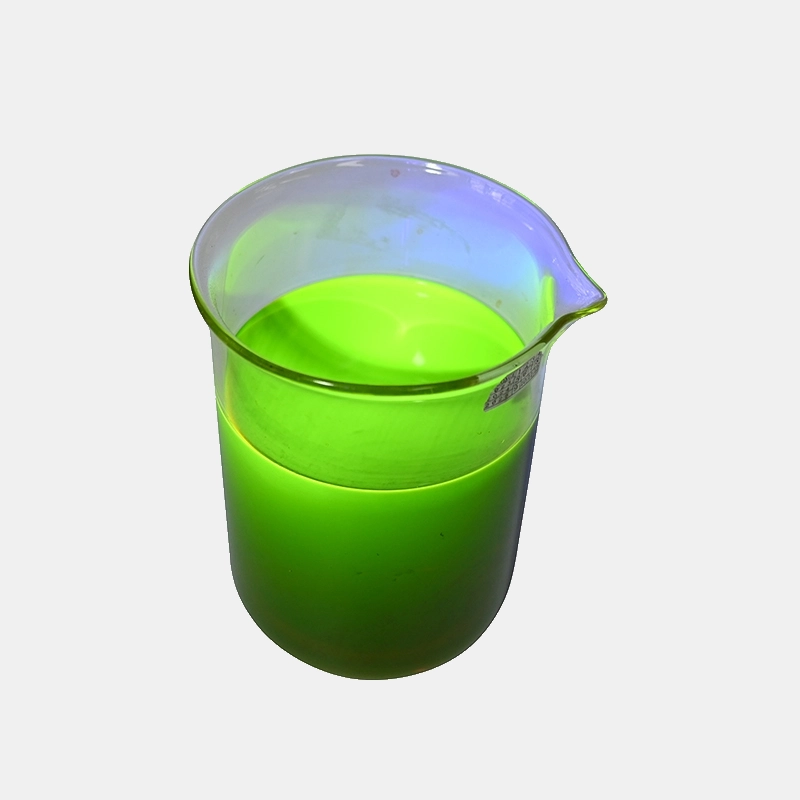
In practice, leak detection dye is added to the refrigerant circuit, circulated through the system, and then inspected under ultraviolet illumination. When the dye escapes with the refrigerant, it leaves a visible trace at the leak point. Without the correct UV source, even a good dye may appear weak, making inspections slower and less reliable.
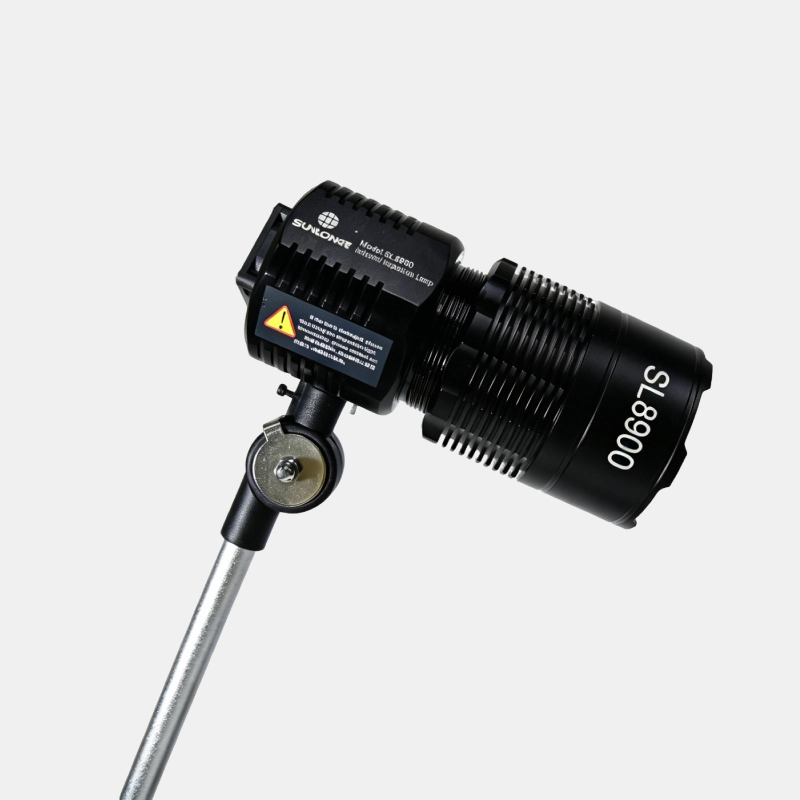
For HVAC professionals, this matters because leak detection is not just about finding a fault. It also affects:
-
Service time
-
Refrigerant recovery and replacement cost
-
System efficiency
-
Compliance with environmental regulations
-
Customer trust and repeat service
Modern inspection methods often combine UV dye with electronic detectors or pressure testing. According to the U.S. Environmental Protection Agency, refrigerant leaks can contribute to unnecessary emissions and operational inefficiency, which is why accurate detection is so important. You can learn more from the EPA’s refrigerant management guidance on www.epa.gov.
A well-matched UV inspection tool improves visibility, shortens diagnostic time, and helps technicians confirm the source of a leak rather than guessing.
What Makes a UV Light Suitable for HVAC Leak Detection?
A suitable UV light provides the right wavelength, enough output, and practical usability for field work.
Not every ultraviolet lamp is equally effective for leak tracing. The ideal tool must excite the fluorescent dye efficiently while remaining easy to use in tight mechanical spaces, rooftops, plant rooms, and service closets.
Wavelength: the Most Important Technical Factor
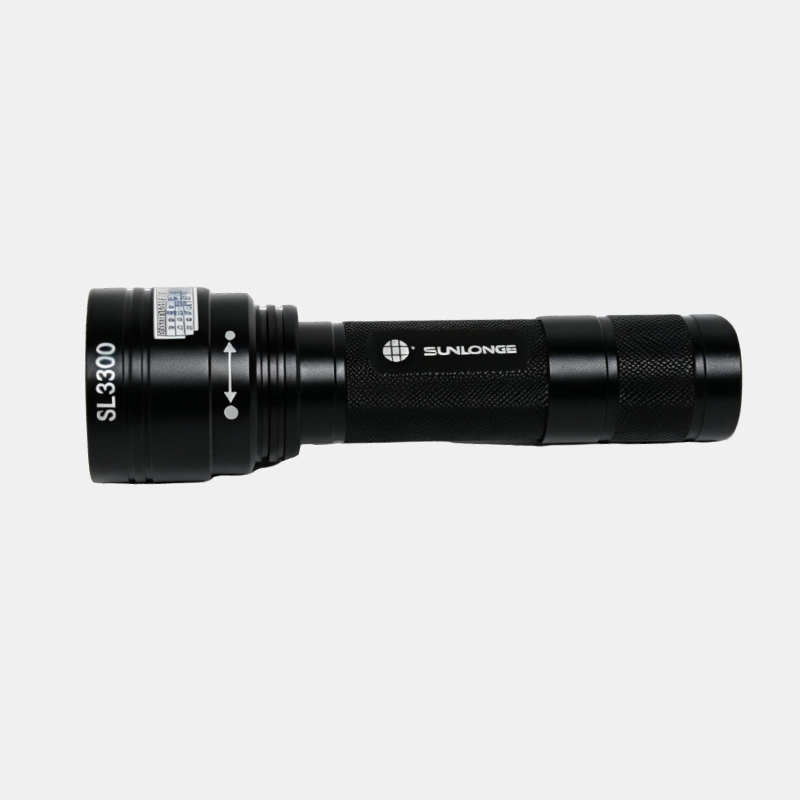
For most AC leak detection dyes, the most effective range is typically around 365 nm.
This wavelength is commonly used because it excites many fluorescent formulations without producing excessive visible purple light, which can reduce contrast. A lower-grade light may still “look” bright to the human eye, but brightness alone does not guarantee strong fluorescence activation. For HVAC use, technical wavelength compatibility matters more than appearance.
When comparing products, look for:
-
A wavelength specification around 365 nm
-
Stable output rather than broad, uncontrolled UV emission
-
Compatibility with the dye recommended for HVAC systems
If the wavelength is too far off, the dye may glow weakly or inconsistently, especially on dirty surfaces or in bright environments.
Power Output and Beam Quality
More power is not always better, but insufficient output can make leak traces hard to see.
The best choice balances intensity and coverage. A concentrated beam can help with long-range inspection, while a wider field is useful when scanning coils, fittings, valves, and drain pans. Beam quality is just as important as wattage because uneven illumination can hide small traces.
Useful performance indicators include:
-
Uniform illumination across the inspection area
-
Enough intensity to reveal small dye deposits
-
Minimal hot spots that create glare
-
Practical working distance for HVAC components
Portability and Field Durability
Technicians need a light that works in real-world conditions, not just in a lab.
HVAC service often involves kneeling beside units, climbing ladders, or inspecting systems in poor lighting. A compact, durable UV tool is easier to handle and more likely to be used correctly. Look for rugged housing, dependable switches, and a form factor that suits repetitive service tasks.
If your team performs frequent inspections, ease of transport and one-handed operation can matter as much as optical performance.
How to Match the Light to the Type of AC Leak Inspection
Different inspection environments call for different UV light characteristics.
A tool that works well in a small split system may not be ideal for a larger commercial installation. Matching the light to the job improves detection speed and reduces missed leaks.
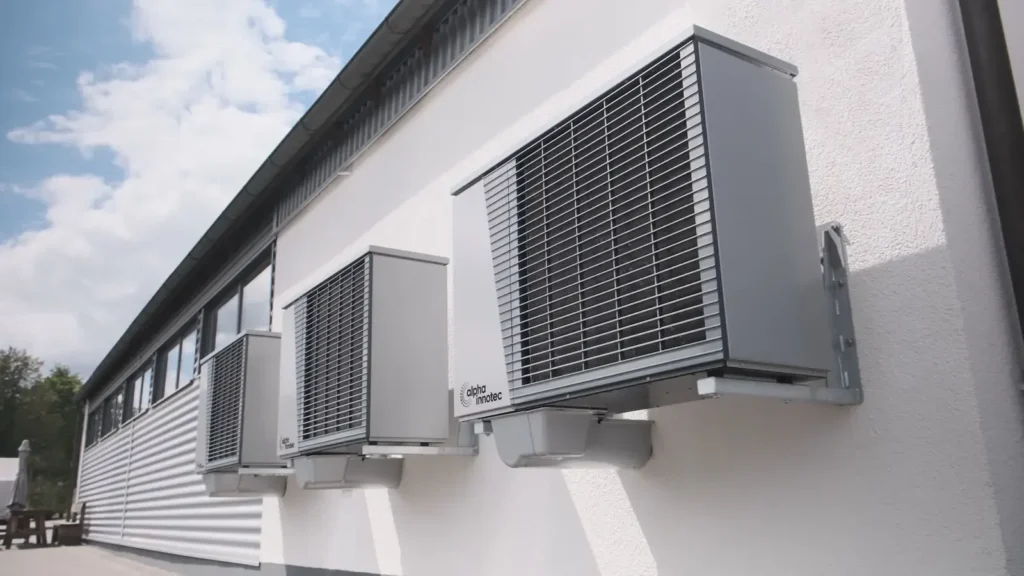
Residential Systems
For residential HVAC, technicians often work in tight spaces with limited access.
In these cases, a compact UV light with a clear beam and strong dye response is usually the most practical choice. Small leaks may appear around service ports, coil joints, or flare fittings, so the light should be easy to position close to the area being inspected.
Best features for residential work:
-
Lightweight design
-
Easy on/off operation
-
Adequate beam control for narrow spaces
-
Strong visibility on common HVAC dyes
Commercial and Industrial Systems
Commercial systems often require broader coverage and more inspection time.
Large evaporators, condensers, refrigerant lines, and rooftop units can benefit from a higher-output UV source with a wider field of view. Technicians may also need to inspect multiple components in one visit, so consistency and inspection speed become more important.
For these applications, consider:
-
Higher output for better distance performance
-
Wider beam coverage
-
Strong visibility in partially lit areas
-
Durable construction for frequent use
Field Service vs. Shop Diagnostics
The inspection environment changes the ideal light configuration.
In a controlled workshop, power access and lighting are easier to manage. On site, technicians may face sunlight, dust, and awkward viewing angles. A portable light with excellent contrast performance is usually better for field work, while stationary diagnostics may allow for a larger inspection tool.
How to Compare UV Light Features Before Buying
The best way to choose a UV light is to compare the features that affect detection accuracy and daily usability.
Below is a practical comparison table for HVAC buyers.
|
Feature
|
Why It Matters
|
What to Look For
|
|---|---|---|
|
Wavelength
|
Determines how effectively the dye fluoresces
|
Around 365 nm for most HVAC dyes
|
|
Intensity
|
Affects visibility at working distance
|
Strong, stable output
|
|
Beam pattern
|
Impacts coverage and precision
|
Even beam, no excessive glare
|
|
Portability
|
Influences comfort and field use
|
Lightweight, easy to carry
|
|
Durability
|
Supports professional service use
|
Rugged housing and dependable construction
|
|
Battery life or power mode
|
Affects uninterrupted inspections
|
Long runtime or reliable wired power
|
|
Eye safety
|
Reduces risk during repeated use
|
Appropriate protective guidance and safe operation
|
A product listing should give you enough technical detail to judge whether the tool matches your work. If those specifications are missing or vague, it is harder to know whether the light will perform consistently in actual HVAC conditions.
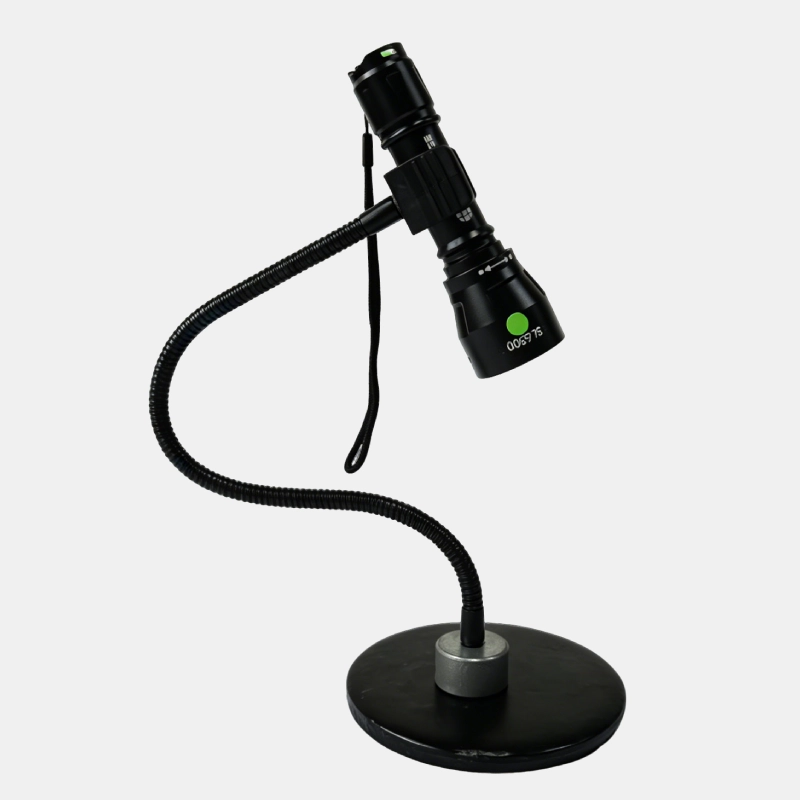
If you want to explore a purpose-built option, the category page for UV Leak Detection Light provides a useful starting point for evaluating product formats and applications.
How to Use UV Light Effectively During Leak Detection
Even a high-quality light can underperform if the inspection process is weak.
Good results depend on technique. The goal is to create the best conditions for the dye to stand out clearly so the leak point can be identified without confusion.
Step 1: Prepare the System
Start by ensuring the system has the correct fluorescent dye in circulation.
The dye must be compatible with the refrigerant and safe for the equipment. Allow enough runtime for the dye to travel through the system and reach the leak location. In some cases, the system may need to operate for a period before inspection produces visible results.
Step 2: Reduce Competing Light
UV fluorescence is easier to see in low ambient light.
Whenever possible, dim nearby lighting or shield the inspection area from sunlight. Even a strong UV source can be harder to use effectively if the environment is too bright. Night inspections or shaded conditions often improve contrast dramatically.
Step 3: Scan Methodically
Move slowly and inspect each component in a logical order.
A systematic approach reduces missed traces. Focus on likely failure points such as:
-
Service valves
-
Brazed joints
-
Coil connections
-
Schrader cores
-
Drain pan areas
-
Compressor seals
-
Line set fittings
Step 4: Confirm the Leak Source
Look for the most concentrated dye accumulation, not just a broad glow.
Dye can travel after escaping, so the brightest area is not always the leak origin. Follow the pattern back to the source, and use additional diagnostic methods when necessary.
Common Mistakes When Choosing a UV Light
Buying the wrong UV tool often leads to weak results and wasted service time.
Many buyers focus on price or visible brightness without checking the specifications that matter most. That approach can cause frustration in the field.
Choosing by Visible Brightness Only
A lamp that appears bright in normal light may still be poor at exciting fluorescent dye.
The human eye sees visible light, not UV efficiency. A unit with strong purple output but poor ultraviolet performance may look impressive while delivering weak leak visibility.
Ignoring Dye Compatibility
Different dyes and formulations can respond differently to UV illumination.
Always verify that the wavelength and light output suit the dye used in your HVAC application. Incompatible combinations can produce faint traces and make diagnosis less reliable.
Overlooking Real Work Conditions
A product that looks good on paper may be inconvenient on the job.
Consider where and how your team actually works. Tight spaces, rooftop environments, and low-light mechanical rooms each place different demands on the inspection tool.
What Safety Practices Should You Follow?
UV light use should always include basic safety practices to protect eyes and skin.
Ultraviolet exposure can be harmful with prolonged or improper use. Even when the light is designed for professional inspection, technicians should follow safe operating procedures.
Key practices include:
-
Avoid direct eye exposure
-
Use protective eyewear when appropriate
-
Keep the beam on the inspection target, not on skin or faces
-
Follow the manufacturer’s usage guidance
-
Store the device properly after use
For a broader overview of ultraviolet radiation safety, see the CDC/NIOSH guidance on UV exposure.
Safe use is part of professional use. A reliable inspection process should protect both the technician and the equipment being serviced.
Which Features Deliver the Best Long-Term Value?
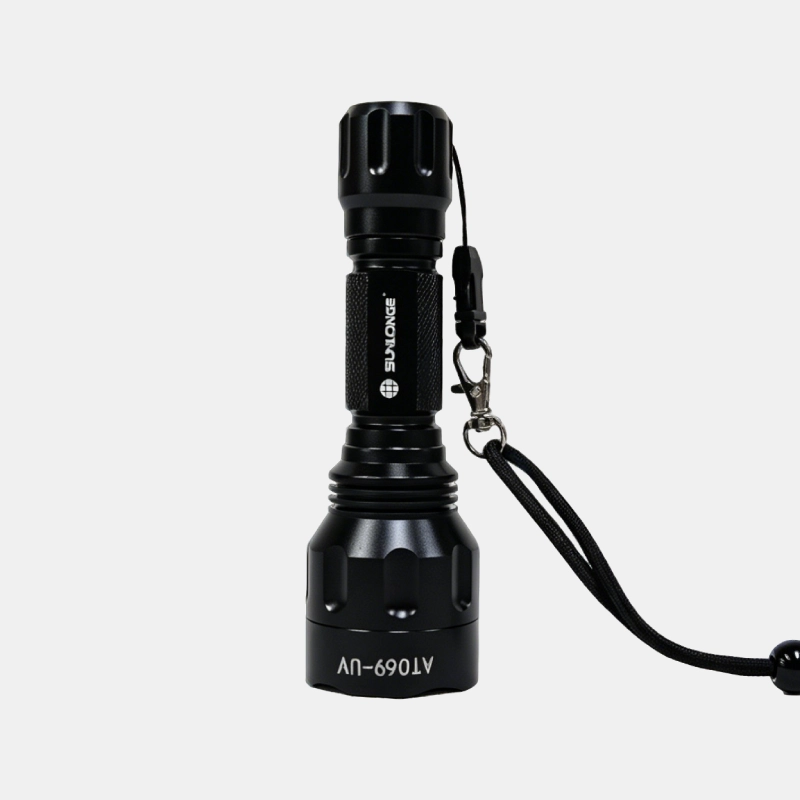
The most valuable UV light is the one that improves job speed, accuracy, and reliability over time.
In B2B service operations, value comes from lower rework, faster inspections, and fewer missed leaks. The initial purchase price matters, but so do maintenance, battery replacement, durability, and the ability to use the tool across different system types.
The best long-term purchase usually offers:
-
Consistent wavelength performance
-
Strong field usability
-
Durable build quality
-
Low learning curve for technicians
-
Versatility across residential and commercial HVAC jobs
If multiple technicians will use the same tool, standardization also helps. A consistent light source across the team can improve inspection consistency and training efficiency.
Final Buying Checklist
Use this checklist before selecting a UV light for AC leak detection.
-
Confirm the wavelength matches HVAC fluorescent dye, ideally around 365 nm.
-
Review the output and beam pattern for the job size.
-
Check portability and build quality for real service conditions.
-
Verify compatibility with your inspection dye and procedures.
-
Make sure the light supports safe, comfortable use.
-
Compare runtime, power source, and maintenance needs.
-
Choose a product that fits both residential and commercial workflows if your team handles mixed service work.
A carefully chosen tool will make leak tracing faster, more accurate, and easier to repeat across jobs.
FAQ
How long should dye circulate before using a UV light for inspection?
It depends on the system size, refrigerant flow, and leak rate, but many technicians allow enough runtime for the dye to move through the circuit and reach likely leak points before inspection.
Can UV leak detection work in daylight?
Yes, but results are usually better in low ambient light. Shade or reduced lighting improves contrast and makes fluorescent traces easier to see.
Is UV leak detection enough on its own?
It is very effective, but complex systems may benefit from combining UV inspection with pressure testing or electronic detection for confirmation.