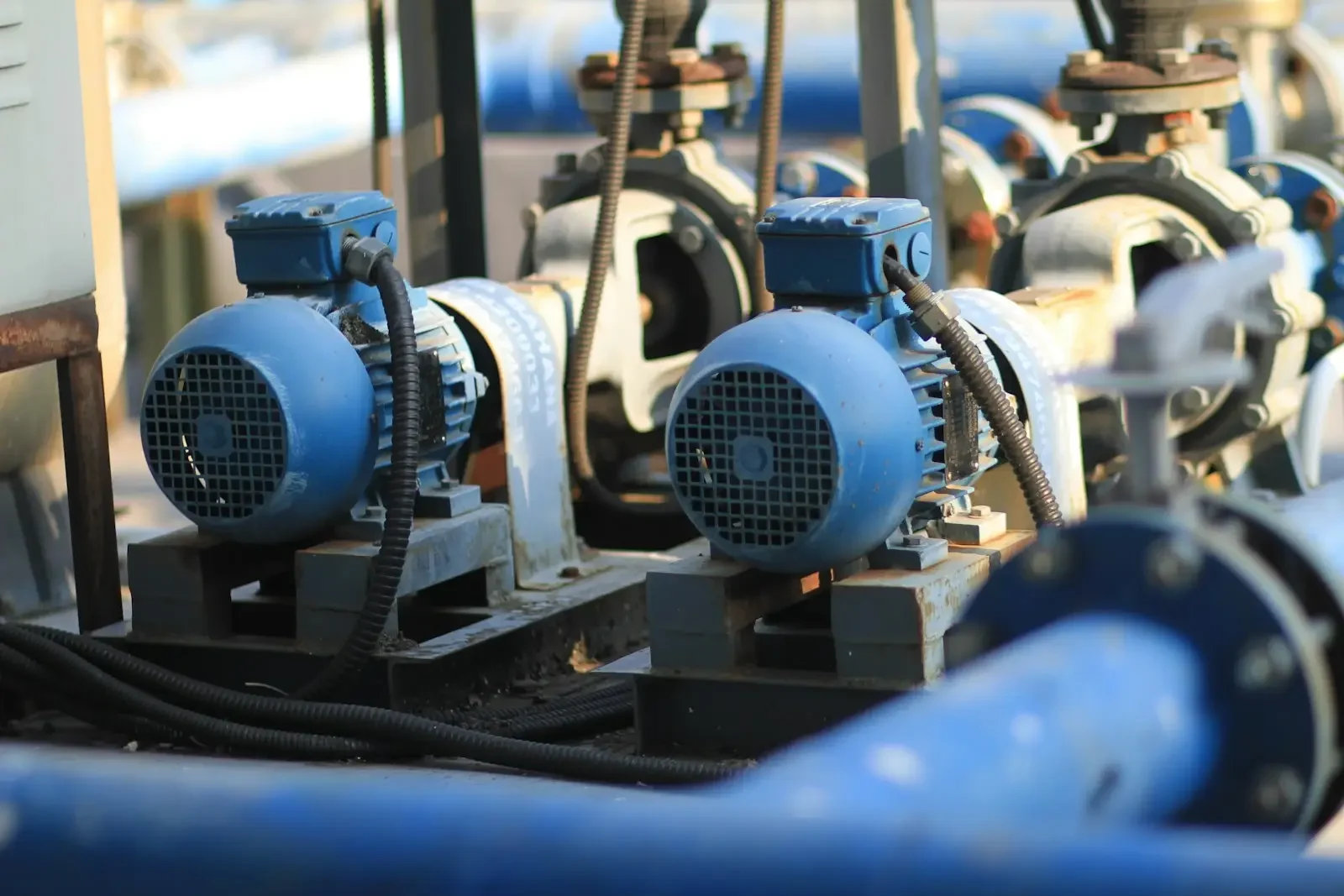
A small refrigerant leak in an HVAC or refrigeration system can cause big problems over time. A small loss of charge reduces the cooling capacity, increases the energy consumption, shortens the compressor life and leads to repeat service calls. Leak detection is not merely a maintenance chore for facilities with dozens or hundreds of systems. This is about protecting operational efficiency, compliance and the reliability of equipment.
As refrigerants, lubricants and system designs continue to change, technicians need leak detection methods that are effective and safe. That’s where Refrigerant Leak Detector Dye comes in. The product can be a very powerful diagnostic tool, but only when it is selected and used properly. Refrigerant leak detector dye can generally be safe for compressor oils and many modern refrigerants when the formulation is compatible with the system and used at the correct dosage but it is not universally safe for all applications.
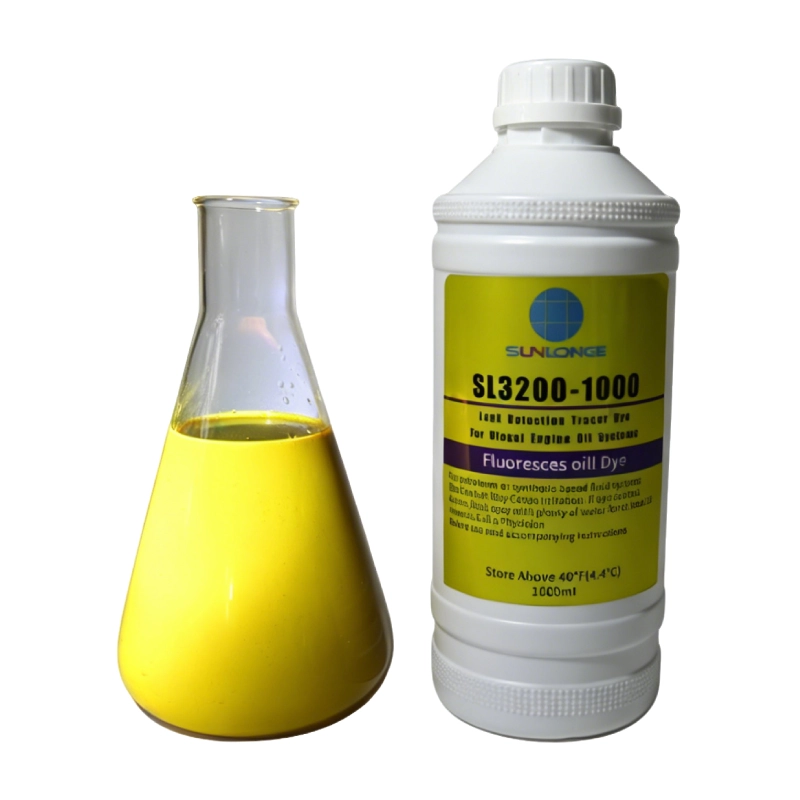
There are a few reasons for the true answer, the type of compressor oil, the family of refrigerants, the age and design of the system, and whether the dye has been validated for that environment. This article explains how dye works, why compatibility matters, where it is useful and how to use it safely in modern HVAC and refrigeration service work.
What Is Refrigerant Leak Detector Dye?
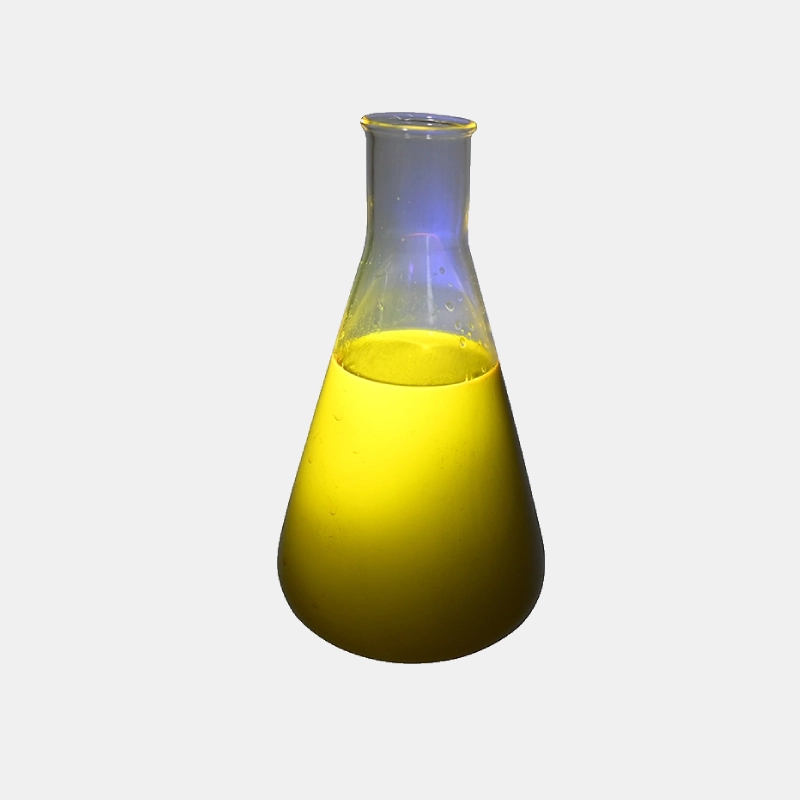
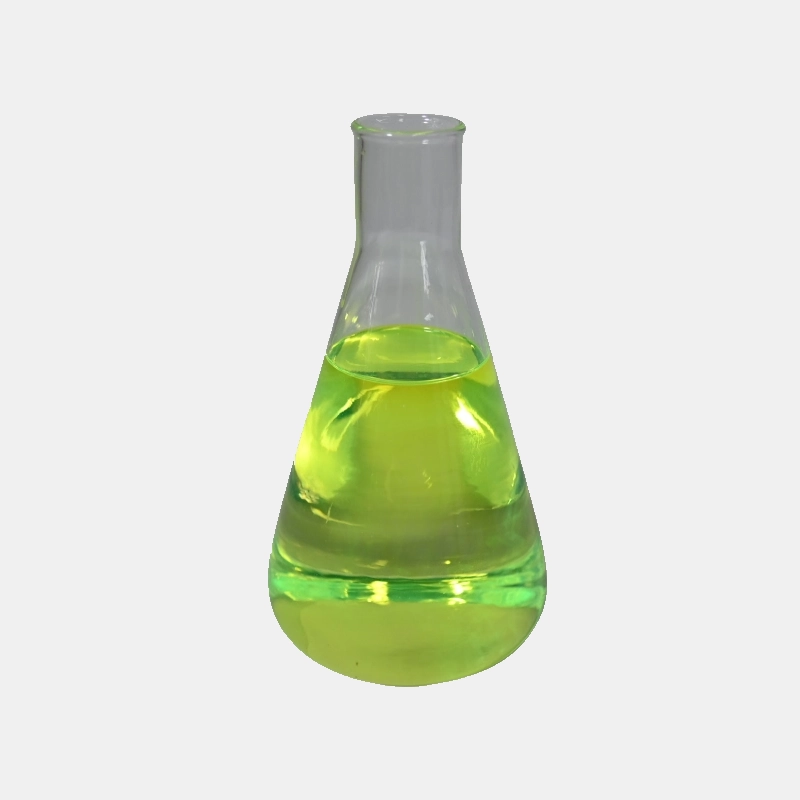
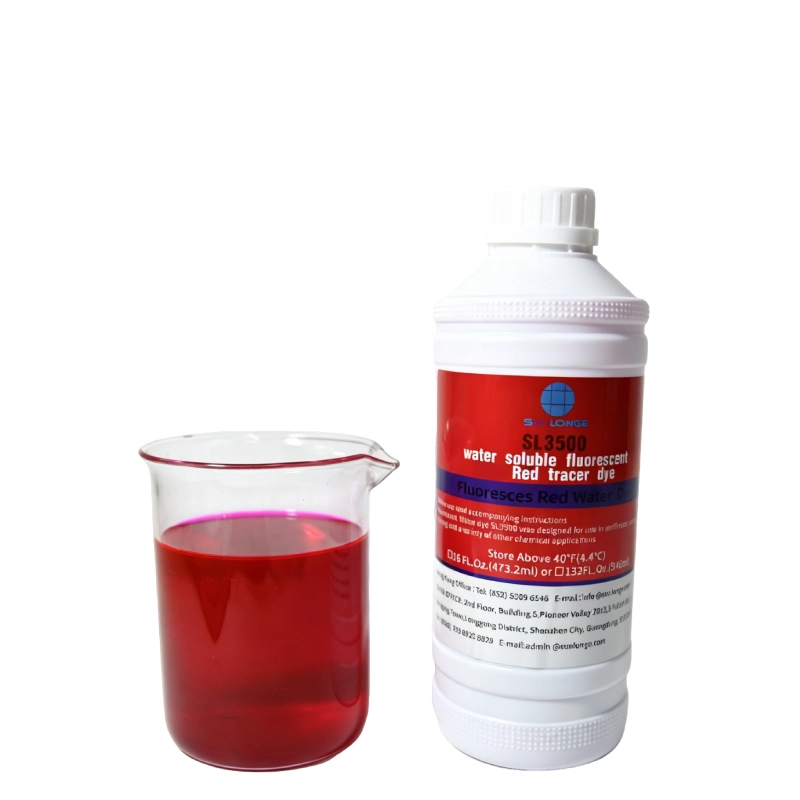
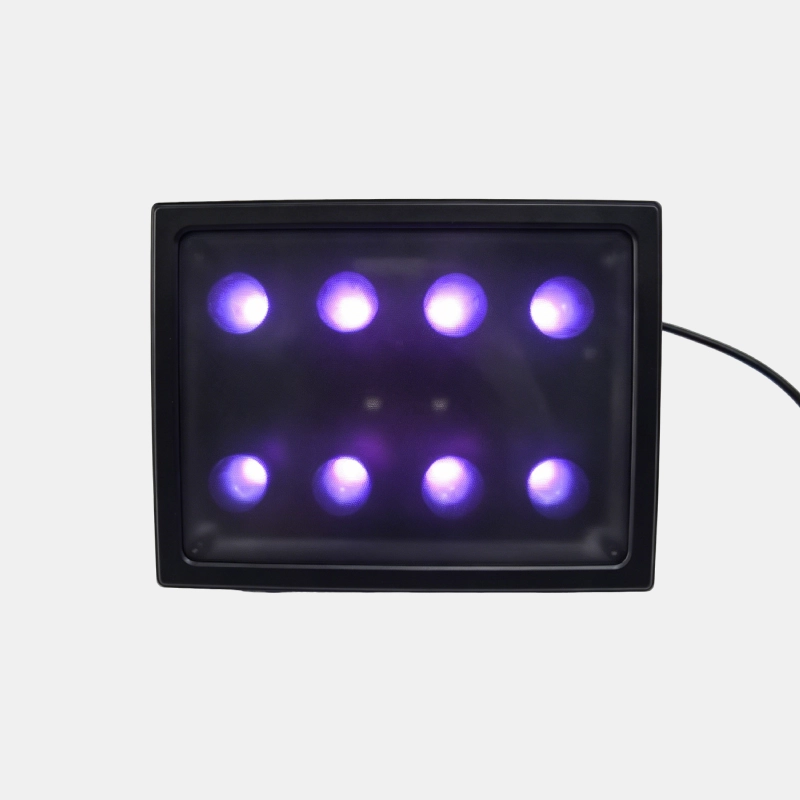
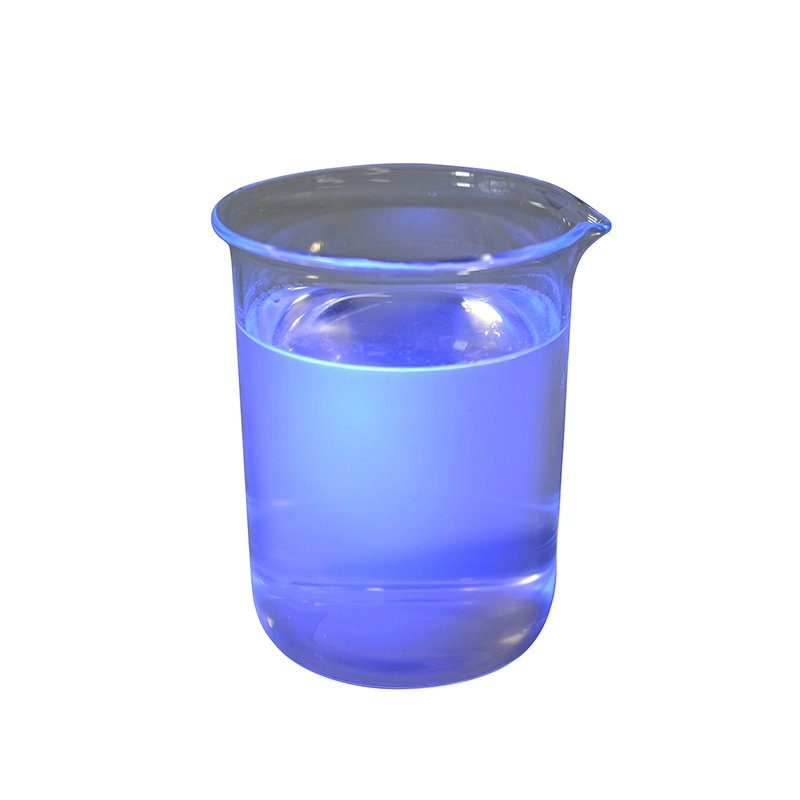
Refrigerant Leak Detector Dye is a diagnostic additive used to locate refrigerant leaks in HVAC and refrigeration systems. It is added to the closed loop so that it can circulate with the refrigerant and compressor oil . If a leak occurs, some of the dye escapes with the refrigerant and leaves a visible trace at the leak point. Technicians use a UV or blue inspection light to find the residue.
The key advantage of this approach is persistence. Electronics detectors can be fast, but rely on the technician being in the right place at the right time. Leak detector dye, in contrast, remains in the system and can show the leak at a later date, even if the leak is small, intermittent or hidden behind insulation, panels or equipment assemblies.
How leak detection dye works
The dye is added to the system in controlled quantities, usually through a service port or as part of a compatible service procedure. When the system is running the dye is circulated through the system by the refrigerant and oil. A leak will let the refrigerant evaporate or dissipate but the dye and oil residue will remain. The trace is visible under ultraviolet light.
This is especially helpful when dealing with leaks that are difficult to detect with soap bubbles or a hand-held electronic probe. The system can be run for a period of time, and the technician can inspect suspect areas and pinpoint the exact point of escape.
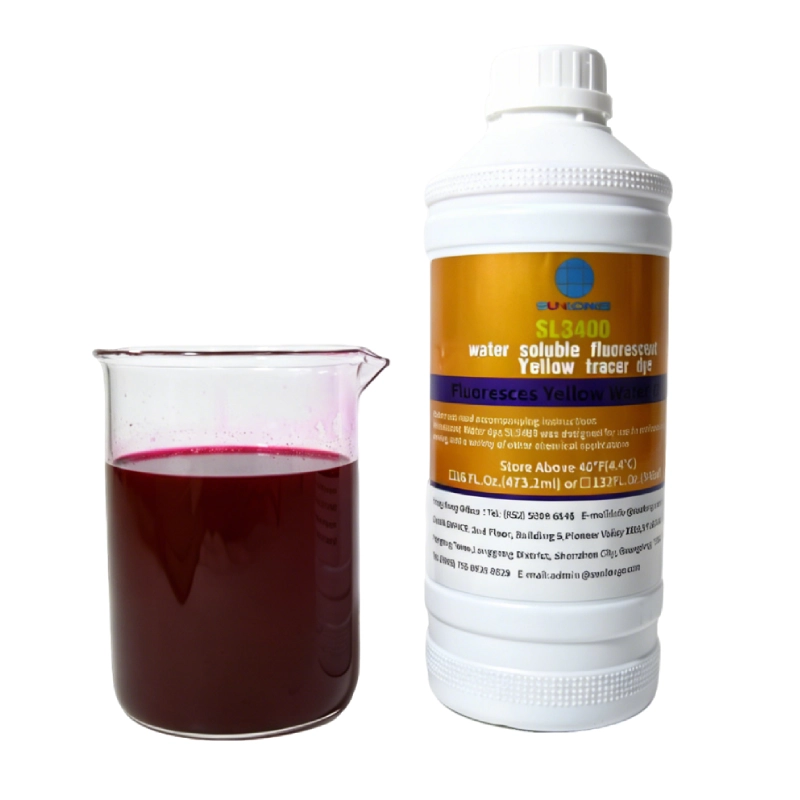
Common applications in HVAC and refrigeration
Leak detection dye is commonly used in:
-
Commercial HVAC systems
-
Residential air conditioning systems
-
Rooftop units
-
Walk-in coolers and freezers
-
Display cases and refrigerated cabinets
-
Chillers and process cooling systems
In these environments, leak tracing can be time-consuming. A dye-based approach gives service teams a practical way to confirm the leak location without dismantling the entire system. For this reason, many technicians keep a refrigerant UV dye product in their service toolkit for recurring diagnostics.
Why it is still widely used in service work
Even with modern electronic leak detectors and digital devices, dye is still in wide use today because it’s simple and visually obvious. It does not require sophisticated calibration and provides a permanent indication of the leak path. This is very useful for technicians who service a lot of assets or come back to the same equipment time and time again.”
This persistence is a big advantage for B2B maintenance programs. It helps technicians work more efficiently, reduces guesswork and increases the chances of finding the actual source, not just the symptom.
Is Refrigerant Leak Detector Dye Safe for Compressor Oils?
To summarize, yes, the dye can be safe for compressor oils when it is correct for the lubricant family and applied correctly.The short answer is, it’s all about compressor oil compatibility. Not all oils behave alike and not all dyes are suitable for all types of oil.
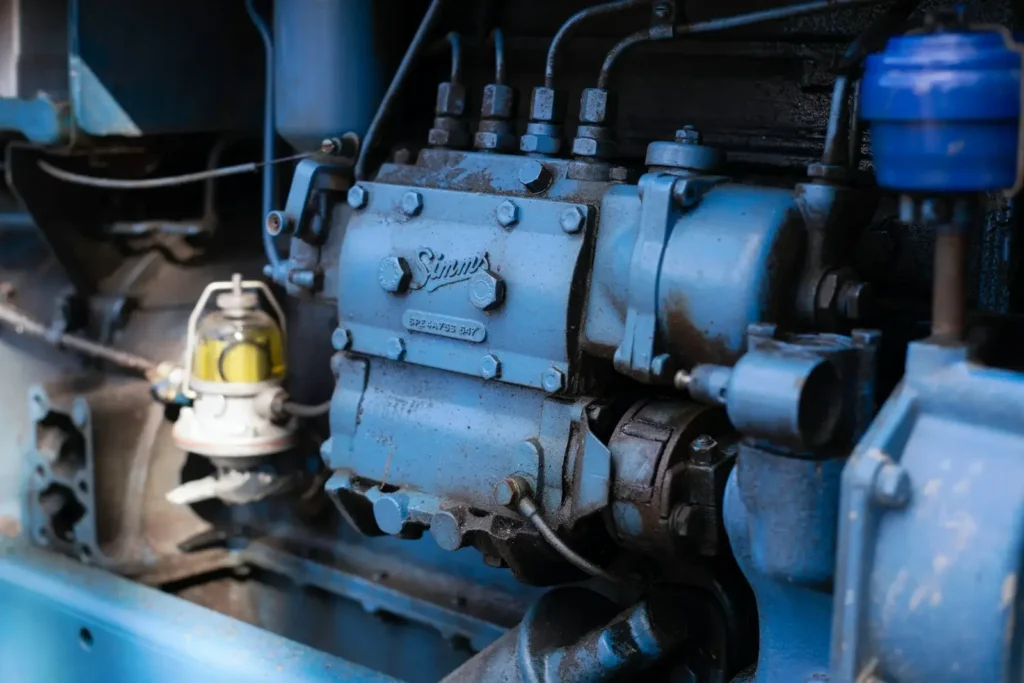
Not all compressor oils are the same in HVAC and refrigeration systems. Typical examples include mineral oil, alkylbenzene, POE, PAG and specialty blends. Each has different chemical properties, solubility behavior and circulation characteristics. One oil may not be compatible with a certain dye while another oil might be. An incompatible product can interfere with circulation and leave a residue that makes maintenance difficult.
Why compressor oil compatibility matters
Compressor oil is not just a lubricant. It is part of the refrigerant circuit and must return properly through the system. If a dye changes the oil’s viscosity, dispersion behavior, or cleanliness, it can create operating problems. That is why compatibility is one of the most important issues in dye selection.
Potential concerns include:
-
Changes in oil return
-
Poor dispersion through the circuit
-
Residue buildup in low-flow areas
-
Interference with filters or service components
-
Misleading visual traces during inspection
A high-quality compressor oil compatible dye is formulated to avoid these issues while still providing strong UV visibility. That balance is what makes the product usable in real-world service environments.
What can go wrong with incompatible dye
If the dye is not designed for the oil in the system, several things can happen. The dye may separate instead of circulating evenly. It may stain areas that are not true leak points. In some cases, it may create maintenance confusion because the technician sees residue in one place while the actual leak is somewhere else.
The most common problems from incompatible dye are:
-
Uneven circulation
-
Accumulation in elbows, coils, or low-flow points
-
False-positive indications
-
Additional cleanup concerns
-
Lower confidence in the diagnostic result
These problems are especially important in systems with low oil volumes or in systems that require strict performance control. In those cases, a carefully validated refrigerant leak detection solution is the safer option.
Best practices for safe oil-compatible use
To use dye safely with compressor oils, technicians should follow a disciplined process:
-
Identify the lubricant family before application
-
Review the product data sheet for compatibility
-
Use only the recommended amount
-
Avoid mixing multiple tracer products
-
Record the application in the service log
-
Reinspect after sufficient circulation time
If the equipment has warranty restrictions or OEM-specific service instructions, those rules should always take priority. Compatibility is not a guess; it is part of the service decision.
Is Refrigerant Leak Detector Dye Safe for Modern Refrigerants?
In many cases, yes. However, modern refrigerants bring more complexity than older systems, and that means extra caution is required. New refrigerant families can differ in pressure behavior, chemical characteristics, and lubricant interaction. A dye that performs well in one refrigerant platform may not be appropriate for another.
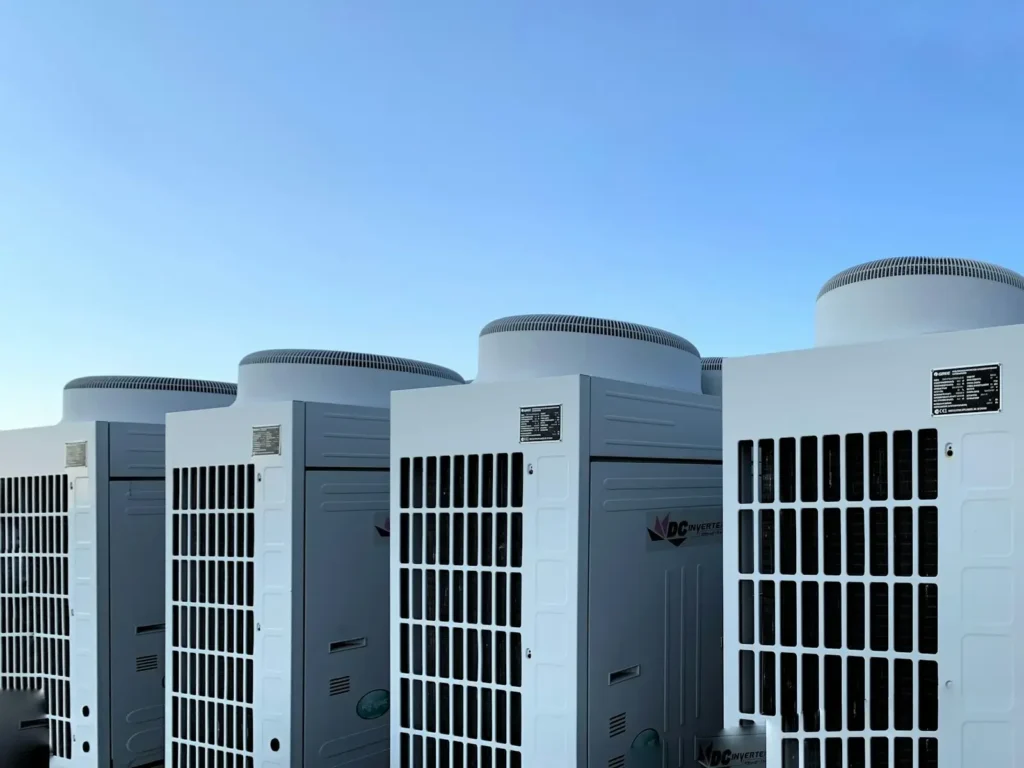
The shift toward lower-GWP refrigerants has also increased the importance of careful service practices. These systems are often optimized for efficiency and environmental performance, so even small changes in chemical behavior matter more than they did in older equipment.
Compatibility concerns with newer refrigerant families
Modern systems may use:
-
HFC refrigerants
-
HFO refrigerants
-
Refrigerant blends
-
Hydrocarbon refrigerants
-
CO2-based systems
Each group has different service considerations. Some blends are sensitive to additive compatibility. Some low-GWP systems operate under tighter design constraints. Some refrigerants are used with special safety or flammability controls. Because of this, a dye must be validated for the specific refrigerant family before use.
| Refrigerant Group | Typical Concern | General Note |
|---|---|---|
| HFCs | Moderate | Often suitable with properly formulated dye |
| HFOs | Moderate | Validation is important due to newer chemistry |
| Blends | Moderate to high | Composition and service conditions matter |
| Hydrocarbons | High | Flammability and compatibility must be reviewed |
| CO2 systems | Very high | Specialized operating conditions require extra caution |
For this reason, technicians should choose a modern refrigerant tracer that has been developed for the equipment and refrigerant type involved.
Why low-GWP systems require more caution
Low-GWP equipment is often designed with smaller refrigerant charges, tighter thermal control, and stricter efficiency expectations. That means even a small compatibility issue can have a bigger impact than it would in a traditional system.
Reasons for extra caution include:
-
Smaller charge volumes
-
Higher efficiency design sensitivity
-
More restrictive OEM service rules
-
Environmental compliance goals
-
Reduced tolerance for contamination
In these systems, the goal is not just to find a leak. The goal is to do so without affecting performance or compromising the design.
Regulatory and environmental considerations
Refrigerant leaks are also a compliance issue. In many regions, regulations require proper refrigerant handling, leak repair, and recovery procedures. The U.S. Environmental Protection Agency provides guidance on refrigerant management through EPA refrigerant requirements.
Using dye can support compliance by helping locate leaks faster and reducing wasted refrigerant. However, the product still needs to be appropriate for the system. A good diagnostic tool should improve maintenance outcomes without creating avoidable chemical or operational risks.
When Should Technicians Use Leak Detector Dye?
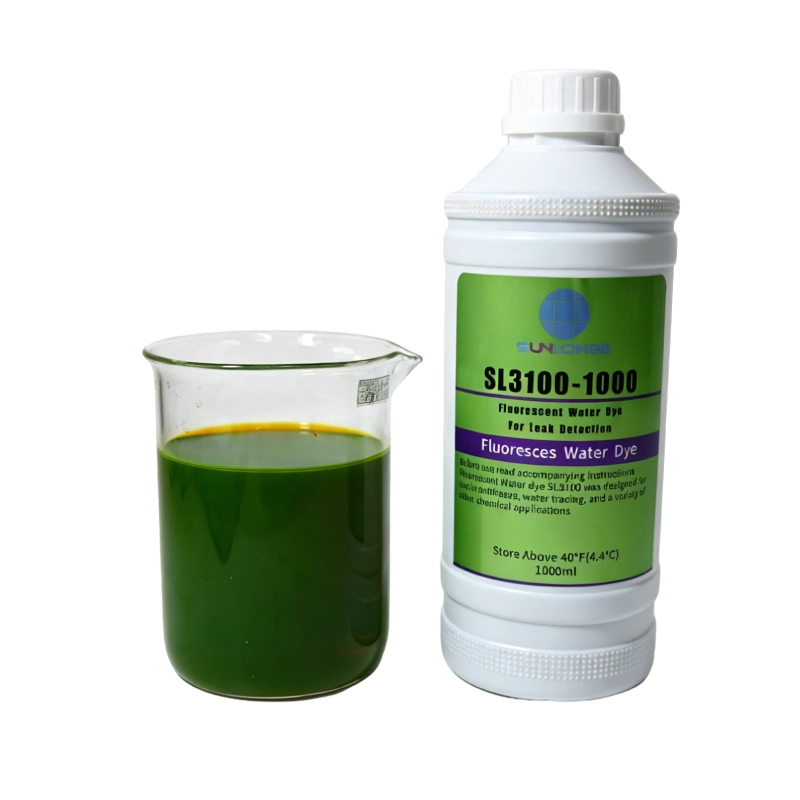
Dye is best used when the leak is hard to find using faster methods alone. It is especially effective for slow, hidden, or intermittent leaks. If the system has been losing charge over time but the exact location is unclear, dye can provide a visible answer.
It is not always the first diagnostic step, but it is often one of the most practical steps once basic checks have been completed.
Best use cases for dye
Leak detector dye is particularly useful for:
-
Slow leaks that are difficult to catch
-
Intermittent leaks that appear only under certain conditions
-
Evaporator coil leaks
-
Hidden tubing or joint leaks
-
Repeat service issues on the same equipment
In these cases, dye helps turn a vague symptom into a specific repair point. For technicians responsible for recurring maintenance, this can save time and reduce repeat visits.
Situations where other methods are better
There are also cases where dye should not be the first choice:
-
Newly installed systems during commissioning
-
Equipment under strict OEM restrictions
-
Systems with unknown refrigerant or oil history
-
Very small charge systems
-
Assets already containing multiple diagnostic additives
In those situations, methods like electronic detection, nitrogen pressure testing, or soap solution may be more appropriate at first.
Comparing dye with other leak detection methods
| Method | Main Strength | Main Limitation |
|---|---|---|
| UV dye | Persistent and easy to trace | Requires circulation time |
| Electronic detector | Fast and portable | Can miss very small or hidden leaks |
| Pressure test | Good for confirming integrity | May not pinpoint exact location |
| Nitrogen test | Helpful for broad leak checking | Requires proper setup |
| Soap solution | Simple and inexpensive | Limited to accessible points |
Most service teams use a combination of methods rather than relying on one tool alone. Dye is especially valuable when the leak must be tracked over time.
How to Use Refrigerant Leak Detector Dye Safely
Safe use begins before the dye is ever added. The technician should know the refrigerant, the oil type, the system design, and the amount of product required. The goal is to trace the leak, not to alter the system.
Step-by-step application process
-
Confirm refrigerant and compressor oil type.
-
Review the system documentation.
-
Select a dye validated for the application.
-
Inject only the recommended dosage.
-
Run the system long enough for circulation.
-
Inspect suspect areas under UV light.
-
Repair the leak and document the result.
This process helps ensure that the dye is useful and not excessive. Correct dosage matters because too much product can create avoidable residue or service confusion.
Common mistakes to avoid
The most common mistakes include:
-
Overdosing the system
-
Using a dye that is not compatible
-
Assuming every refrigerant behaves the same
-
Mixing multiple tracer additives
-
Skipping documentation
-
Failing to confirm the repair after the leak is found
These errors reduce both diagnostic value and system confidence. In professional service programs, consistency is critical.
Documentation and maintenance records
Every dye application should be recorded with:
-
Date of application
-
Product name and quantity
-
Refrigerant type
-
Oil type
-
System ID
-
Leak location and repair result
This documentation supports warranty claims, future troubleshooting, and compliance records. It also gives the service team a clear history of what was done and why.
Does Leak Detector Dye Affect System Performance?
Usually, it does not, provided the dye is properly formulated and used in the right amount. The product should function as a diagnostic aid, not as a performance modifier. Still, if the dye is incompatible or overused, it can affect cleanliness, oil behavior, or maintenance clarity.
In sensitive systems, even small changes matter. That is why product selection and correct dosage are essential.
Possible effects on oil flow and residue
If a dye is poorly matched to the system, it may affect:
-
Oil circulation
-
Filter loading
-
Residue accumulation
-
Visual cleanliness of components
-
Long-term maintenance interpretation
These effects are not typical of quality products, but they are possible if the product is generic, overdosed, or used without checking compatibility first.
Signs the dye may be causing issues
Technicians should pay attention if they notice:
-
Unusual staining away from the leak
-
Oil that looks abnormal
-
Reduced performance after application
-
Repeated false leak indications
-
Evidence of contamination in service components
If these appear, the service approach should be reviewed before more dye is added.
How to monitor system performance after application
After the dye is introduced, the system should be monitored for:
-
Pressure stability
-
Temperature performance
-
Compressor sound and operation
-
Oil condition during follow-up service
-
Clear visual evidence at the suspected leak point
Post-application monitoring gives the team confidence that the product is helping rather than interfering.
What Buyers Should Look for in a Professional-Grade Product
For service contractors, distributors, and facility managers, the buying decision should focus on compatibility, field reliability, and documentation support. A product that saves labor and improves leak tracing is more valuable than one that is simply inexpensive.
Compatibility and formulation
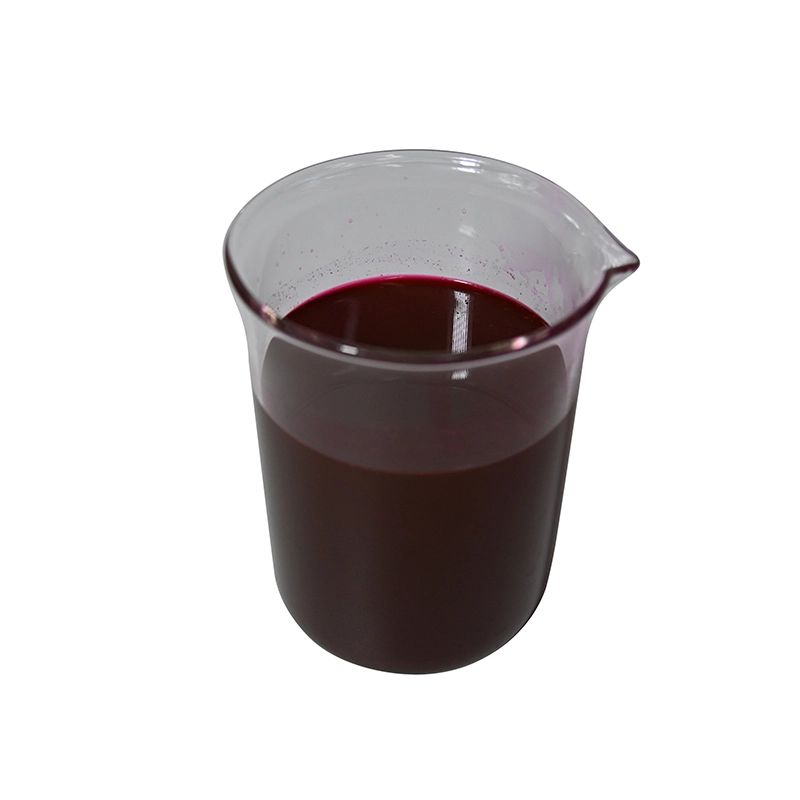
The first requirement is clear compatibility data. The product should state which refrigerants and oils it is designed to work with. If the supplier cannot explain the product’s compatibility, that is a warning sign.
A well-documented refrigerant leak detection solution should provide technical clarity, not just marketing claims.
Visibility and dosage efficiency
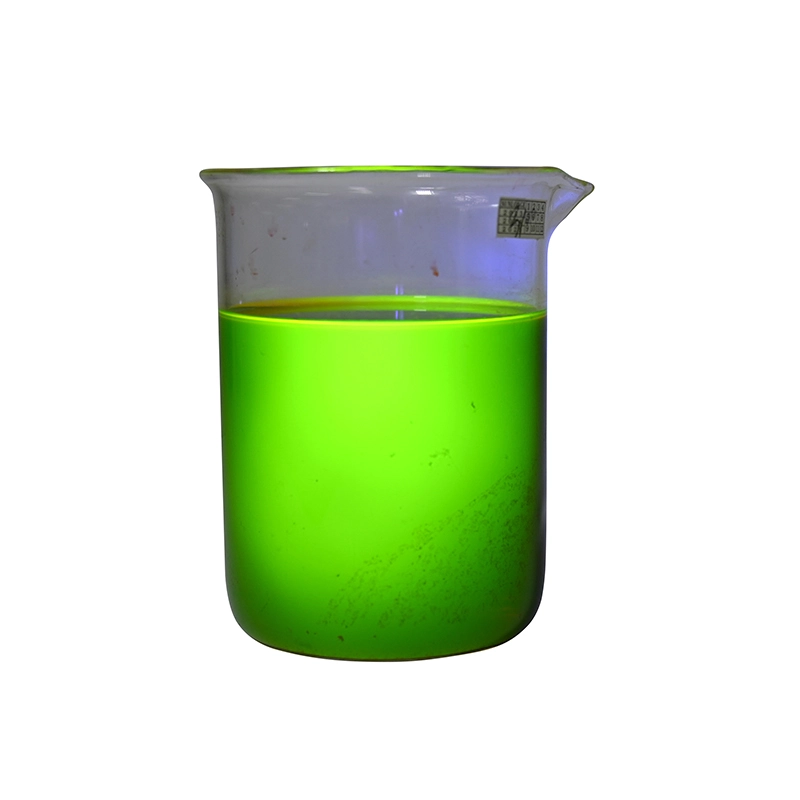
A good dye should show up clearly under UV light and work effectively at a low dose. Strong visibility matters because technicians need to locate the leak quickly and confidently.
Look for:
-
Strong UV response
-
Stable circulation
-
Low-dose efficiency
-
Minimal residue risk
-
Clear field instructions
Technical support and documentation
Professional buyers should also expect support materials such as:
-
Compatibility charts
-
Application guidance
-
Service notes
-
Safety information
-
Recommended inspection procedure
Before purchasing, ask:
-
Which oil families are supported?
-
Which refrigerants have been validated?
-
What dosage is recommended?
-
Is it suitable for modern low-GWP systems?
-
What documentation should be kept?
These questions help teams avoid trial-and-error in the field.
Practical Decision Guide for HVAC and Refrigeration Teams
The best way to decide whether to use dye is to match the product to the equipment and the service goal. If the leak is hidden, the refrigerant is known, the oil is known, and the UV Dye for HVACR is validated, it can be a very effective tool.
If the system is sensitive, unfamiliar, or under strict OEM limits, another diagnostic method may be better at the start.
When dye is the right choice
Dye is often a good option when:
-
The system has a slow or hidden leak
-
Other methods have not identified the source
-
The oil and refrigerant are known
-
The product is validated for the application
-
The service team wants a lasting visual trace
When to choose another method
Another method may be better when:
-
The equipment is under warranty restrictions
-
The refrigerant or oil is unknown
-
The system is mission-critical or specialty equipment
-
The charge volume is too small for additives
-
Immediate leak confirmation is required
Quick decision matrix for technicians
| Condition | Suggested Approach |
|---|---|
| Standard HVAC unit with hidden leak | Dye is often appropriate |
| Unknown refrigerant or oil | Verify compatibility first |
| Specialty low-GWP system | Use validated products only |
| Repeat service issue | Dye can improve traceability |
| Warranty-sensitive equipment | Check OEM guidance first |
Final Thoughts
Refrigerant leak detector dye can be safe for compressor oils and modern refrigerants, but only when the chemistry, dosage, and service procedure are correct. It is not a universal additive, and it should not be used without checking compatibility. For HVAC and refrigeration teams, its main value is that it turns hidden leaks into visible, repairable faults while supporting efficient maintenance work.
In practice, careful product selection, proper application and accurate documentation are the best results. When used responsibly and matched to the system, the dye can be a very effective diagnostic tool. If there is any doubt about compatibility, try another method first.
FAQ
1. Can refrigerant leak detector dye stay in a system for a long time?
Yes. Many formulations are designed to remain in the system and continue helping with leak tracing over time, as long as they are compatible and correctly applied.
2. Will UV dye help find very small leaks?
Often, yes. Small leaks may take time to reveal themselves, but the dye can leave a visible trace that makes the source easier to find.
3. Can the same dye be used in every HVAC system?
No. Different systems use different oils, refrigerants, and service requirements. Compatibility should always be checked before application.