A maintenance team at a commercial refrigeration facility loses roughly 25% of its annual refrigerant charge to undetected micro-leaks. That is not a one-off. Across the HVAC/R industry, refrigerant leakage accounts for an estimated 5-10% of total system charge annually in well-maintained equipment, and far more in neglected systems. The cost adds up in refrigerant replacement, energy penalties, and regulatory fines.
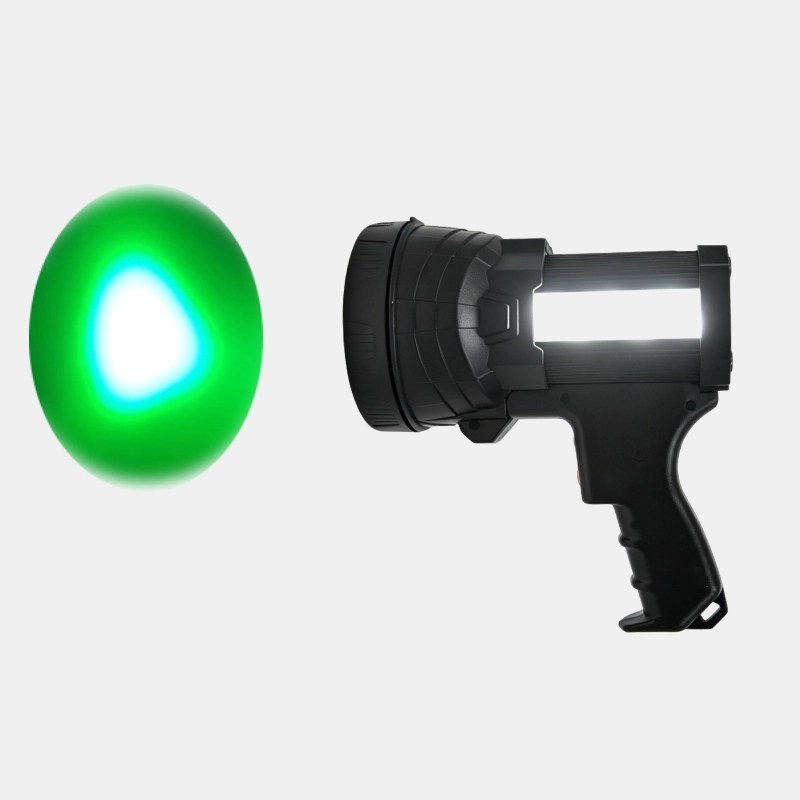
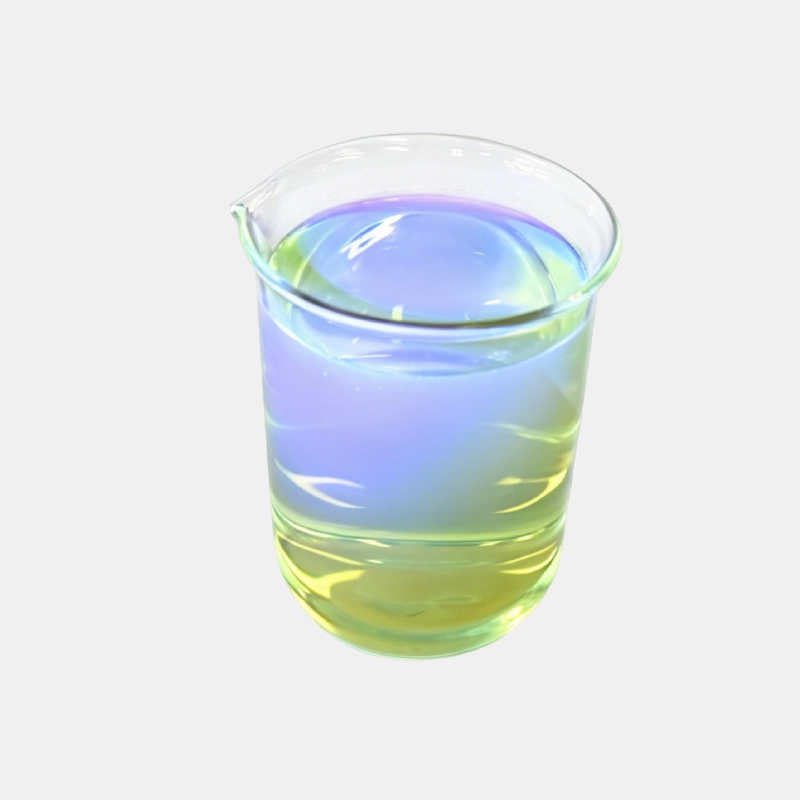
UV fluorescent leak detection dye is a frontline component of modern leak detection solutions: a tool that turns invisible leaks into glowing evidence. Inject the dye, circulate it through the system, scan with a UV lamp, and leaks show up as bright fluorescent spots at every escape point. No disassembly. No guesswork.
But the dye is only as good as the manufacturer behind it. A poorly formulated dye can clog capillary tubes, react with compressor oil, or fade under heat. A well-formulated dye from a reputable manufacturer lasts the life of the system, stays compatible with modern refrigerants including low-GWP blends, and fluoresces bright enough to see in broad daylight.
Below are seven manufacturers worth knowing in 2026, ranked not by revenue but by what they do best and where they fit in a technician’s toolkit.
The 2026 UV Leak Detection Dye Market at a Glance
The global leak detection dye market was valued at roughly $902 million in 2025 and is projected to reach $1.53 billion by 2035, growing at a compound annual rate of 5.4%. The refrigerant leak detection additive segment specifically was worth $185 million in 2025, with fluorescent UV leak detection dyes representing the dominant product category.
Several forces drive this growth. The Kigali Amendment to the Montreal Protocol mandates an 85% phasedown of HFC production by 2045, which means every pound of refrigerant lost to leaks now carries regulatory weight. The EU F-Gas Regulation and U.S. EPA Section 608 rules both require routine leak inspections on systems above certain charge thresholds. Meanwhile, the shift to low-GWP refrigerants including HFOs and A2L (mildly flammable) blends has created a new generation of system chemistries that older dye formulations were never tested against. A dye that worked perfectly in an R-22 system fifteen years ago may separate, gel, or lose fluorescence in a modern R-448A circuit with POE lubricant running at higher discharge temperatures.
The market is not evenly distributed. North America accounts for roughly 40% of global consumption, driven by the size of its commercial HVAC installed base and aggressive EPA enforcement. Europe follows at roughly 30%, propelled by F-Gas compliance requirements that have been in force since 2015. Asia-Pacific is the fastest-growing region at approximately 8% annual growth, fueled by cold-chain logistics expansion and new commercial construction.

Manufacturers that invested early in A2L compatibility testing, solvent-free formulations, and OEM certification programs are now pulling ahead. The field breaks down into two groups: broad-line manufacturers that cover HVAC/R, automotive, industrial, and aviation, and specialists that dominate one or two verticals.
Sunlonge International (uvtracer.com)
Sunlonge International is the manufacturer most often overlooked in U.S. and European industry surveys, but it is one of the largest UV fluorescent dye producers by volume in the Asia-Pacific region. The company was established in 1999 and is headquartered in Hong Kong, with manufacturing facilities in mainland China that produce both finished dye products and OEM/private-label dye batches for regional distributors.
The company’s product range covers the full spectrum of UV leak detection applications. Its HVACR dye line includes formulations validated against R-134a, R-410A, R-448A, R-449A, R-32, and R-454B refrigerant systems. Its automotive line targets PAG-lubricated R-1234yf circuits, POE-lubricated hybrid and electric vehicle thermal management loops, and standard engine/transmission oil leak tracing. It also produces a water-soluble dye line for chilled water loops, pool and spa leak detection, and PTSA UV tracer applications used in water treatment and process fluid monitoring.
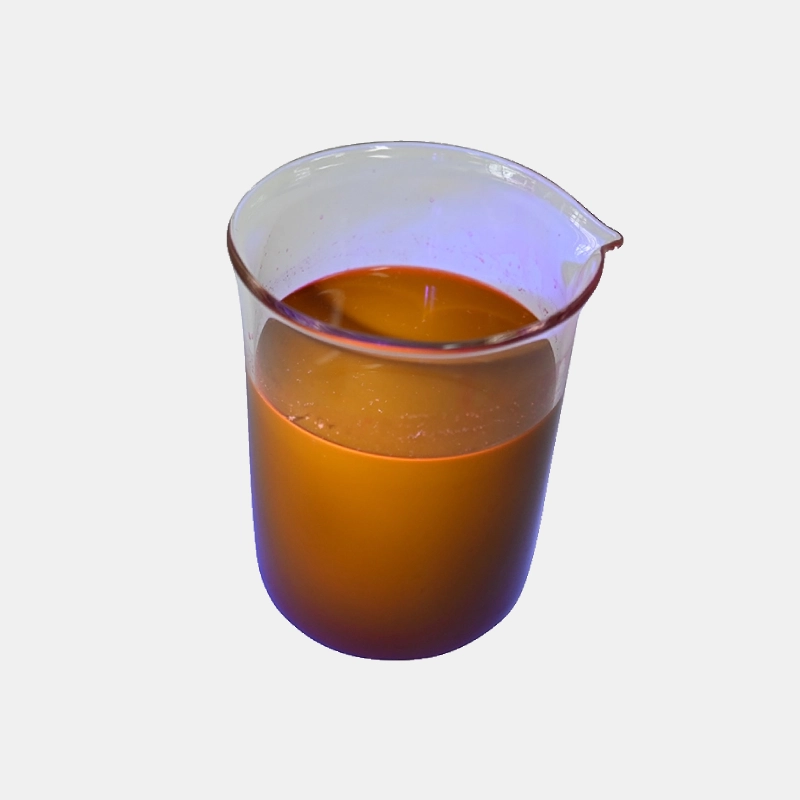
Two capabilities separate Sunlonge from the regional dye packagers that compete in similar price bands. First, the company runs an in-house chemistry lab that supports custom UV dye formulation for industrial customers. A factory running a proprietary heat-transfer fluid, a marine system using a non-standard lubricant, or a laboratory process with a unique solvent blend can request a dye matched to that specific fluid chemistry, rather than settling for a universal formulation that may underperform. Second, Sunlonge controls its own injection accessory production, which means the company can supply complete kits (dye cartridge, injection tool, service port adapter, UV lamp) as a single integrated package rather than as separately sourced components.
The company also publishes a full fluorescent UV leak detection dyes catalog organized by application vertical, which makes it straightforward for a procurement team to identify the correct SKU for HVAC/R, automotive engine, swimming pool, water-glycol, or oil/fuel tracing without consulting technical support.
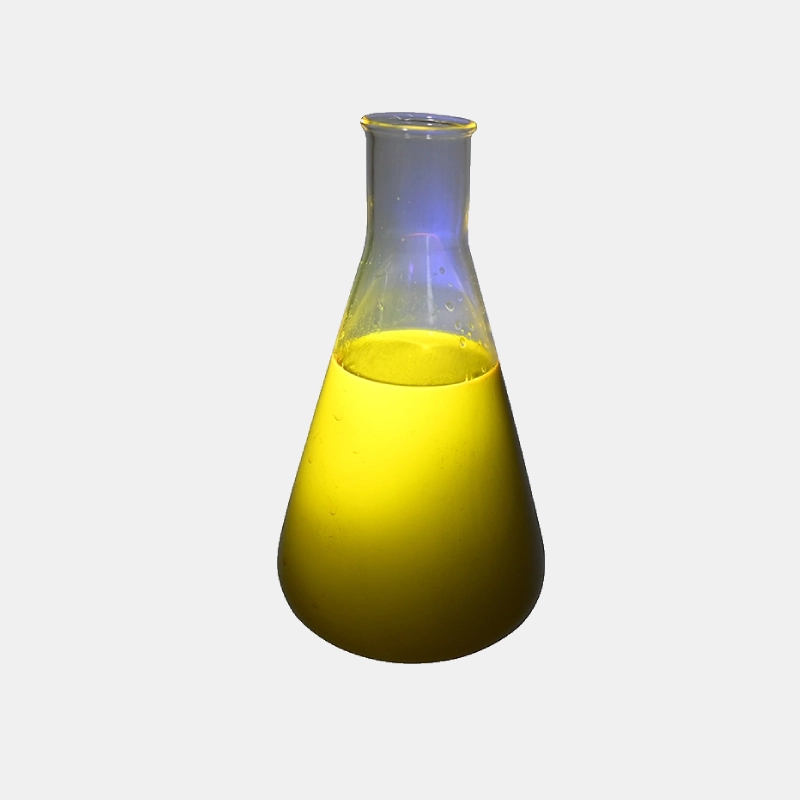
Sunlonge is the right pick for industrial buyers who need bulk dye supply, OEM/private-label packaging, or application-specific chemistry, and for Asia-Pacific service networks that need a regional manufacturer with global product breadth.
Spectronics Corporation (Spectroline)
Spectronics invented UV fluorescent leak detection in 1955, starting with ultraviolet inspection lamps for nondestructive testing in aerospace manufacturing. By the 1960s the company had adapted the technology to refrigeration systems, and it has not stopped iterating since. Seventy years later, it remains the largest manufacturer in the category and the benchmark against which other dyes are measured.
The company’s Spectroline brand covers the full range: OIL-GLO for petroleum-based fluids, WATER-GLO for water-glycol systems, GAS-GLO for fuel systems, and ECO-GLO, a readily biodegradable oil-soluble dye for environmentally sensitive applications. In 2024 the company released a GLO Seal UV dye and sealant explicitly compatible with A2L refrigerants, which put it ahead of most competitors on next-generation refrigerant readiness.

Three things set Spectronics apart from the rest of the field. First, its dyes carry OEM approvals from major compressor manufacturers (Copeland, Bitzer, Danfoss) with ISO 9001:2015 certified manufacturing and defect rates below 0.5%. These approvals matter because using a non-OEM-approved dye can void compressor warranties on large commercial systems. Second, its formulations are co-solvent-free, which eliminates the carrier solvents that can dilute lubricant viscosity and cause bearing wear over time. Third, its distribution network reaches over 100 countries through HVAC/R wholesale channels, which means technicians can find Spectroline dyes at most supply houses without special ordering.
For facilities looking specifically for UV dye for HVACR applications, Spectronics is the default choice for industrial refrigeration, power generation, and aviation where fluid system integrity is safety-critical. If you maintain large commercial chillers, industrial process cooling, or aircraft hydraulic systems, this is the manufacturer you are most likely to encounter. In power generation specifically, Spectroline dyes are used in hydrogen-cooled generator stator winding leak detection, where a false negative from a weak dye can mean an unplanned outage costing millions per day.
Tracer Products
Tracer Products has been manufacturing UV fluorescent dyes for over 70 years and its dyes have been installed in more than 350 million vehicles on OEM assembly lines. That is not a marketing number. Ford, GM, Toyota, and Honda all use Tracer dyes as factory-fill in air conditioning and transmission systems to enable faster warranty diagnostics.
The company’s co-solvent-free TRACER dyes are UV dye for oil and fuel formulations designed for oil-based systems: engine oil, transmission fluid, hydraulic oil, fuel, and air conditioning refrigerant. The automotive focus means the dyes are validated against the full range of OEM lubricant specifications (PAG, POE, mineral oil) and refrigerant types including R-1234yf, which is now standard in most passenger vehicles built after 2018.
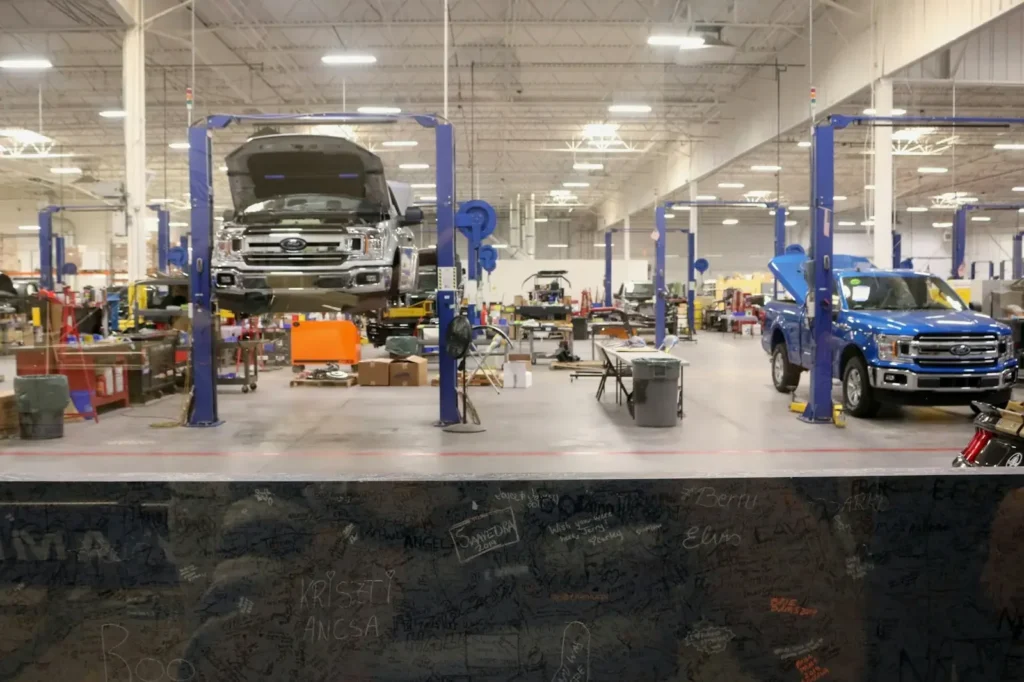
Tracer also supplies the HVAC/R aftermarket with UV dye kits that include injection syringes, service port adapters, and UV lamps. The kits are popular among independent automotive shops and residential HVAC contractors who need a complete solution in one purchase.
If your application is automotive, Tracer is the manufacturer with the deepest OEM validation track record and the largest installed base of any dye supplier in that vertical.
CPS Products
CPS Products takes a different approach than Spectronics or Tracer. It does not only sell dye. It sells the entire leak detection workflow in a single package.
A typical CPS kit includes pre-measured dye cartridges, a calibrated injection gun, safety glasses, and a UV inspection lamp. The idea is to eliminate the mixing, measuring, and equipment matching that technicians otherwise have to figure out on their own. For a service company sending technicians to multiple job sites per day, this standardization saves time and reduces application errors.
CPS dyes are formulated for high visibility under both UV and blue light, and they are designed to persist after refrigerant evaporation, so a technician can return to a job site days later and still find the fluorescent trace at the leak point. The company’s manufacturing processes meet environmental management standards, and it provides direct support for F-Gas regulation compliance documentation.
CPS is the right pick for field service teams that want one vendor, one purchase order, and one consistent workflow across all leak detection jobs.
Mastercool
Mastercool operates at the intersection of dye-based and electronic leak detection. Its product line includes UV dye injection kits that are specifically designed to work alongside electronic refrigerant sniffers, creating a hybrid detection approach.
The logic is straightforward. An electronic sniffer scans a system quickly and identifies the general area of a leak. Then UV dye provides the exact visual confirmation: a glowing spot at the crack, joint, or pinhole. You do not have to disassemble components based on a sniffer reading alone, and you do not have to scan an entire system blindly with a UV lamp.
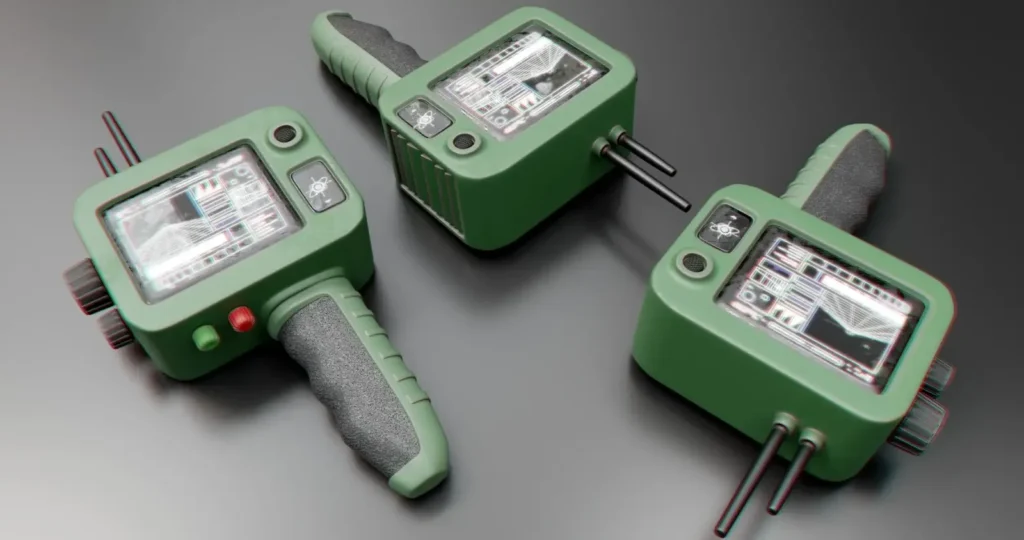
Mastercool’s dye formulations are engineered for compatibility with complex refrigeration architectures including multi-circuit supermarket racks and industrial cascade systems. The company also manufactures adapter kits that allow dye injection into systems that lack dedicated service ports, which is a practical problem in older installations.
Mastercool suits contractors and facility managers who already use electronic sniffers and want to add dye-based confirmation to their diagnostic toolkit without switching to a completely different equipment ecosystem.
Nu-Calgon
Nu-Calgon has staked its position on one specific challenge: making UV dyes that work reliably with the newest generation of refrigerants.
The industry transition from R-410A and R-134a to HFO blends like R-448A, R-449A, and R-513A, along with A2L refrigerants like R-32 and R-454B, has changed the chemical environment inside refrigeration circuits. Lubricants shifted from mineral oil and alkylbenzene to POE and PVE synthetics. System operating pressures changed. And the mildly flammable classification of A2L refrigerants introduced new safety requirements that affect every chemical additive introduced into the circuit.
Nu-Calgon tested its dye formulations against all of these variables and published compatibility data. Its dyes are designed to remain chemically stable and fully soluble in POE and PVE lubricants at operating temperatures up to 300°F, without separating, gelling, or forming deposits on expansion valve seats.
The company also invests in technician education, running training programs on proper dye injection techniques, dosage calculations based on system charge, and post-injection verification procedures. This educational layer matters because UV dye is only effective when it is injected at the correct concentration. Too little and the fluorescence is too dim to see. Too much and the dye can alter lubricant properties.

Nu-Calgon is the manufacturer to choose if your systems are running on HFO or A2L refrigerants and you need chemistry-level confidence in dye compatibility.
Errecom S.p.A.
Errecom is the leading European manufacturer of UV fluorescent leak detection dyes, headquartered in Milan, Italy. Its position in the market is built on two factors: price accessibility and EU regulatory compliance.
Errecom dyes cost less per application than the U.S. premium brands, which makes them the go-to choice for small to medium-sized HVAC/R service providers across Europe. A contractor running three service vans in southern France or northern Italy typically cannot justify the premium price of Spectroline dyes for every job. Errecom fills that gap with dyes that meet EU F-Gas Regulation requirements at a lower price point.
The dyes are formulated as low-VOC (volatile organic compound) solutions, which aligns with EU chemical safety directives that are stricter than their U.S. equivalents. Errecom also maintains a distribution network that covers all EU member states plus Turkey and North Africa, which gives it regional reach that the U.S.-based manufacturers do not match in those markets.
Errecom does not offer the same breadth of OEM approvals as Spectronics, and its automotive product line is smaller than Tracer’s. Its strength is serving the European commercial HVAC maintenance market at a price that small and mid-sized contractors can sustain.
How to Choose the Right UV Dye Manufacturer
Selecting a manufacturer involves four dimensions.
Product compatibility. Match the dye chemistry to your fluid type (oil, water-glycol, fuel, refrigerant) and your refrigerant/lubricant combination. A dye formulated for mineral oil with R-22 will not perform the same way in POE oil with R-448A. Ask for compatibility data, not just a “universal” label. Some manufacturers also offer custom UV dye formulation services for specialized industrial fluids that off-the-shelf dyes cannot handle. For systems that contain multiple fluid types (a chiller with both refrigerant and chilled water loops), verify that the manufacturer offers dyes for each loop separately. Mixing an oil-soluble dye into a water-glycol circuit produces no fluorescence at all.
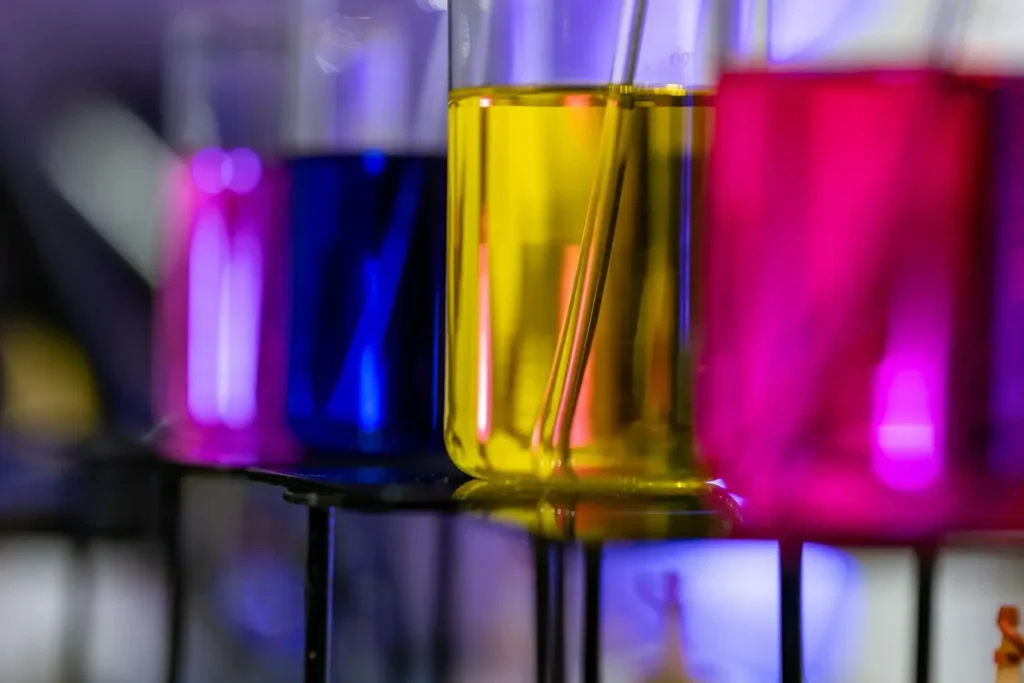
Certifications and approvals. If you maintain equipment under warranty, check whether the compressor or system OEM has approved the dye you plan to use. Unapproved dyes can void warranties on commercial chillers and refrigeration racks. Look for ISO 9001 quality management certification and, for drinking water or food-processing applications, NSF/ANSI Standard 60 certification. For aviation applications, dyes must meet SAE Aerospace Material Specifications. For marine systems, check for compliance with MARPOL Annex VI requirements that govern refrigerant management on ships.
Technical support. A manufacturer that provides dosage calculators, injection procedure guides, and phone-based technical support reduces the chance of application errors. This is especially important for large systems where miscalculating dye concentration can require an oil change to correct. The best manufacturers publish dosage charts by system charge weight (typically one-quarter ounce of dye per 1.5 pounds of refrigerant for oil-soluble dyes, though this varies by formulation). A manufacturer that cannot tell you the correct dosage for your system’s charge weight is a red flag.
Geographic availability. A dye that is technically superior but takes two weeks to ship from another continent is less useful than a locally stocked alternative. Check which distributors carry the product in your region and what their typical lead times are.
UV Dye Technology Trends Shaping 2026
Water-based and biodegradable formulations. Environmental pressure is pushing manufacturers away from solvent-based carriers. Spectronics’ ECO-GLO line and Nu-Calgon’s water-based formulations both reflect this shift. Expect more manufacturers to introduce biodegradable options in the next two years as EU chemical regulations tighten further.
A2L and HFO compatibility as table stakes. Two years ago, A2L compatibility was a differentiator. In 2026, it is becoming a minimum requirement. Any manufacturer that has not published A2L compatibility data by now is effectively disqualifying itself from the new equipment market.
Smart diagnostic integration. A few manufacturers are experimenting with IoT-enabled UV inspection lamps that log inspection data to the cloud, creating an audit trail for regulatory compliance. This trend is still early, but it follows the same trajectory as connected maintenance tools across commercial HVAC. The EPA has signaled that digital leak inspection logs may qualify as compliance documentation under upcoming revisions to Section 608, which would accelerate adoption.
Asia-Pacific market expansion. Urbanization and cold-chain infrastructure growth in India, Southeast Asia, and China are pulling dye manufacturers into markets they previously underserved. Errecom and CPS have both increased distributor recruitment in these regions, and Chinese domestic manufacturers like Elitech are scaling up industrial-grade dye production. India alone is expected to add over 40 million square feet of cold storage capacity by 2027, each facility requiring ongoing refrigerant leak management. Manufacturers that establish local distribution and technical support in these markets now will be positioned to capture the next decade’s demand growth.
FAQ
What is UV fluorescent leak detection dye and how does it work?
UV fluorescent dye is a chemical additive that dissolves in a system’s operating fluid (refrigerant, oil, water-glycol, or fuel) and circulates with it. When the fluid escapes through a leak point, the dye escapes with it and deposits at the leak site. Shining a UV or blue light on the area causes the dye to fluoresce, producing a bright glow that marks the exact location of the leak. The dye remains in the system permanently and continues to mark future leaks as they develop.
How do I choose the right dye for my specific application?
Start with the fluid you are trying to trace. Oil-soluble dyes work for petroleum-based and synthetic lubricants, hydraulic oil, and oil-lubricated refrigerant circuits. Water-soluble dyes are for water-glycol coolant loops, chilled water systems, and plumbing leak tracing. Fuel-grade dyes are designed to remain detectable in gasoline and diesel without altering combustion characteristics. Within each category, verify that the dye is compatible with your specific fluid chemistry and operating temperature range. When in doubt, ask the manufacturer for a compatibility matrix rather than relying on a “universal” label. For HVAC/R applications, also check that the dye is compatible with the elastomeric seals, gaskets, and O-rings in your system. Some aggressive carrier solvents can swell or degrade EPDM and neoprene seals, creating new leaks during the process of finding old ones.
Are UV dyes safe for all refrigerant types?
Most UV dyes from reputable manufacturers are compatible with traditional HFC refrigerants (R-134a, R-410A, R-404A) and their associated lubricants. Compatibility with newer HFO blends (R-448A, R-449A, R-513A) and A2L refrigerants (R-32, R-454B) requires specific testing. Always check the manufacturer’s published compatibility data for your exact refrigerant and lubricant combination before injecting dye. Do not assume a dye that works with R-410A will also work with R-32. The lubricant chemistry is different, and dye stability at the system’s hot spots (compressor discharge, expansion valve inlet) must be verified. A practical step before committing to a new dye in a large system is to request a sample and run a sealed-tube stability test: heat a small amount of dye mixed with the target lubricant to 175°C for 14 days and check for color change, precipitate formation, or viscosity shift. Reputable manufacturers will provide this data on request.