A maintenance team stares at a shelf of dye bottles. Oil-based. Water-based. Refrigerant. Fuel. Green. Yellow. Orange. The labels all look similar. The prices are not wildly different. But picking the wrong one means the dye separates in the fluid, clogs a filter, or fails to glow under the UV lamp. The leak stays hidden. The problem gets worse.
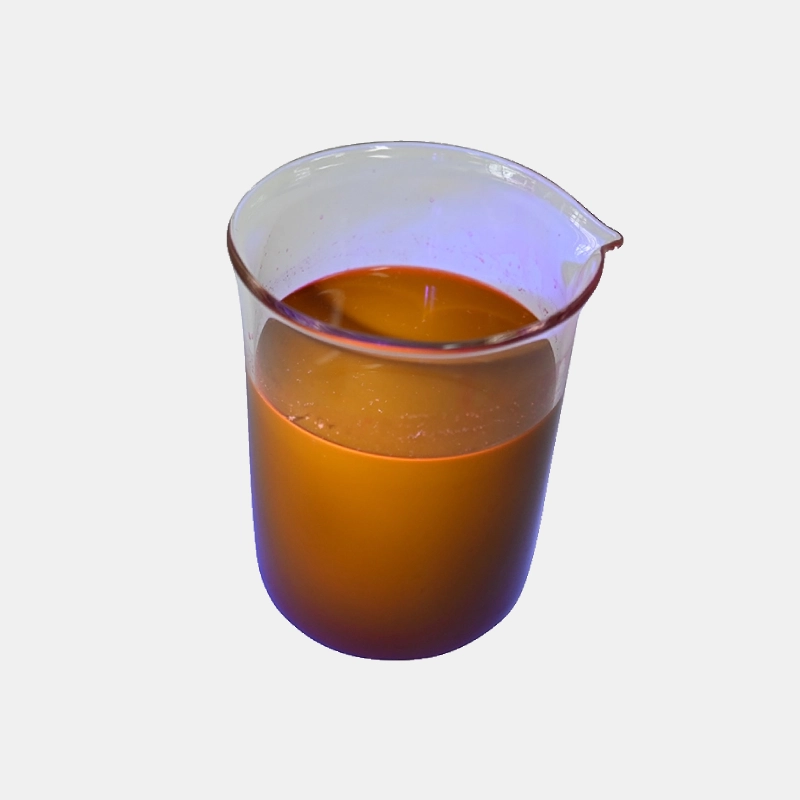
This scenario repeats across industries because UV dye selection is treated as an afterthought. Someone grabs a bottle, injects it, and hopes for the best. When the inspection yields no results, the assumption is that no leak exists. Often the leak is there. The dye just was not the right one for the job.
Choosing the right UV fluorescent leak detection dye comes down to four factors: fluid type determines dye chemistry, operating temperature sets stability requirements, fluorescence color affects visibility against the background, and system volume dictates injection quantity. Match these four and the dye will perform reliably. Miss one and the inspection can fail completely.
This guide works through each factor step by step. By the end, you will know exactly how to evaluate your system and pick the dye that gives you clear, reliable results every time.
Why Choosing the Right UV Dye Matters More Than You Think
Using the wrong dye can cause three failures: chemical incompatibility that degrades the dye or the system fluid, poor fluorescence that makes leaks invisible under UV light, and physical separation where dye settles out and never reaches the leak point. Each failure wastes time and leaves leaks undetected.
The cost of a wrong choice goes beyond wasting a few dollars on a bottle of dye. Consider a hydraulic system on a production line. The maintenance team injects a water-based dye into oil. The dye does not dissolve. It forms droplets suspended in the oil. Some droplets pass through the leak, but the concentration is too low to see. The team scans with a UV lamp and finds nothing. They conclude there is no leak. Three weeks later, the fluid level drops enough to trigger a low-level alarm. The line stops. The repair takes a shift. The dye was cheap. The downtime was not.
Chemical incompatibility can also damage the system itself. Dyes formulated for one fluid type may contain solvents or carriers that attack seals, O-rings, or gaskets in another fluid. A dye designed for mineral oil might swell EPDM seals in a water-glycol system. The swelling is slow, but over weeks it degrades the seal material and creates new leaks. The dye did its job of finding the original leak while simultaneously creating the next one.
The Chemistry Behind Compatibility
Fluorescent UV leak detection dyes are not one-size-fits-all. The fluorescent compound itself is only part of the formulation. The carrier solvent, stabilizers, and dispersants are engineered for a specific fluid chemistry. An oil-based dye uses a petroleum-derived carrier that dissolves readily in hydrocarbon fluids. A water-based dye uses a glycol or alcohol carrier that mixes with water and water-glycol blends. Drop the oil dye into water and it forms an immiscible layer on top. Drop the water dye into oil and it sinks to the bottom as beads that never distribute.
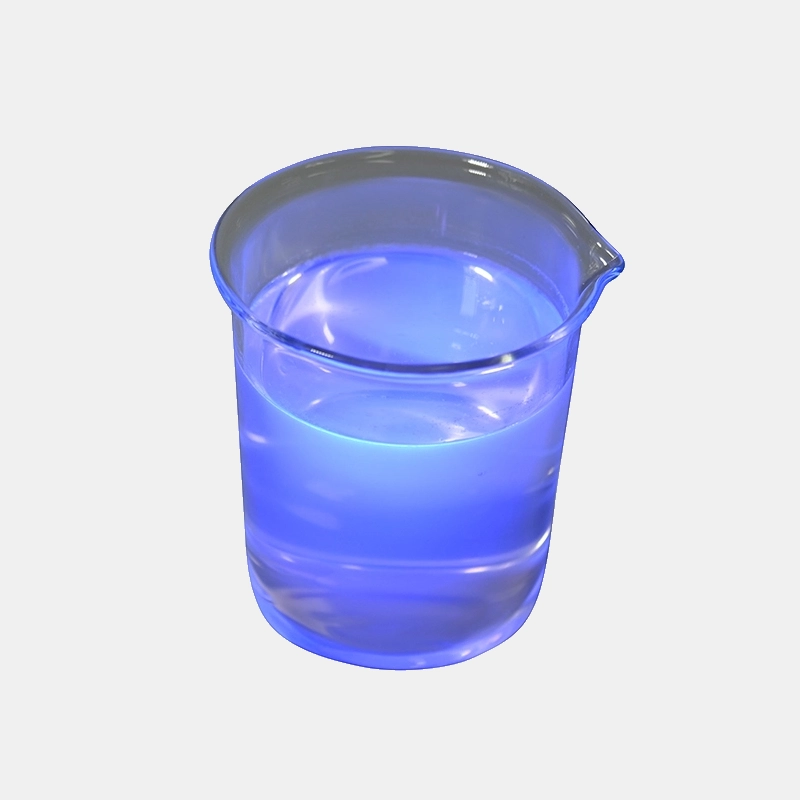
Temperature adds another dimension. Many industrial systems operate above 200 degrees Fahrenheit. At those temperatures, some fluorescent compounds degrade. The molecules break apart, losing their ability to fluoresce. The dye is still in the system, but it no longer glows. A technician returns for a follow-up inspection six months later and sees nothing, even though the dye was present. The chemistry failed under heat.
Fluid Compatibility: The First and Most Critical Filter
Fluid compatibility is the starting point for dye selection: oil-based dyes for lubricants and hydraulic fluids, water-based dyes for cooling water and glycol mixtures, refrigerant dyes for HVAC and refrigeration, and fuel dyes for gasoline, diesel, and jet fuel. Cross-category use almost always fails.
Every dye product has a stated compatibility range. The manufacturer tests the dye in representative fluids and publishes a list of compatible types. This list is not a suggestion. It is a requirement. If your fluid is not on the list, do not use the dye.
Oil-Based Dyes
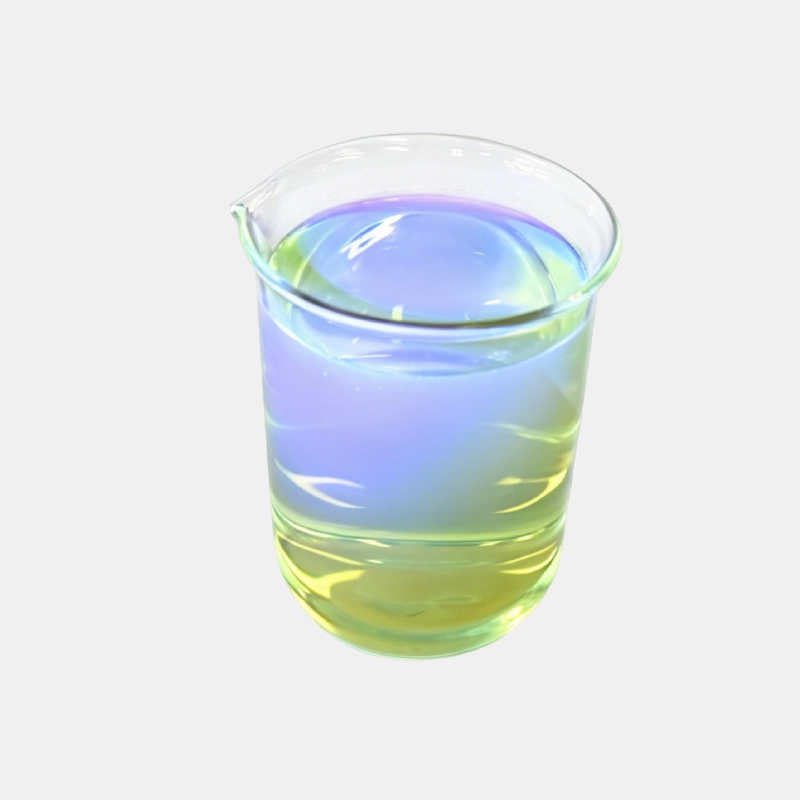
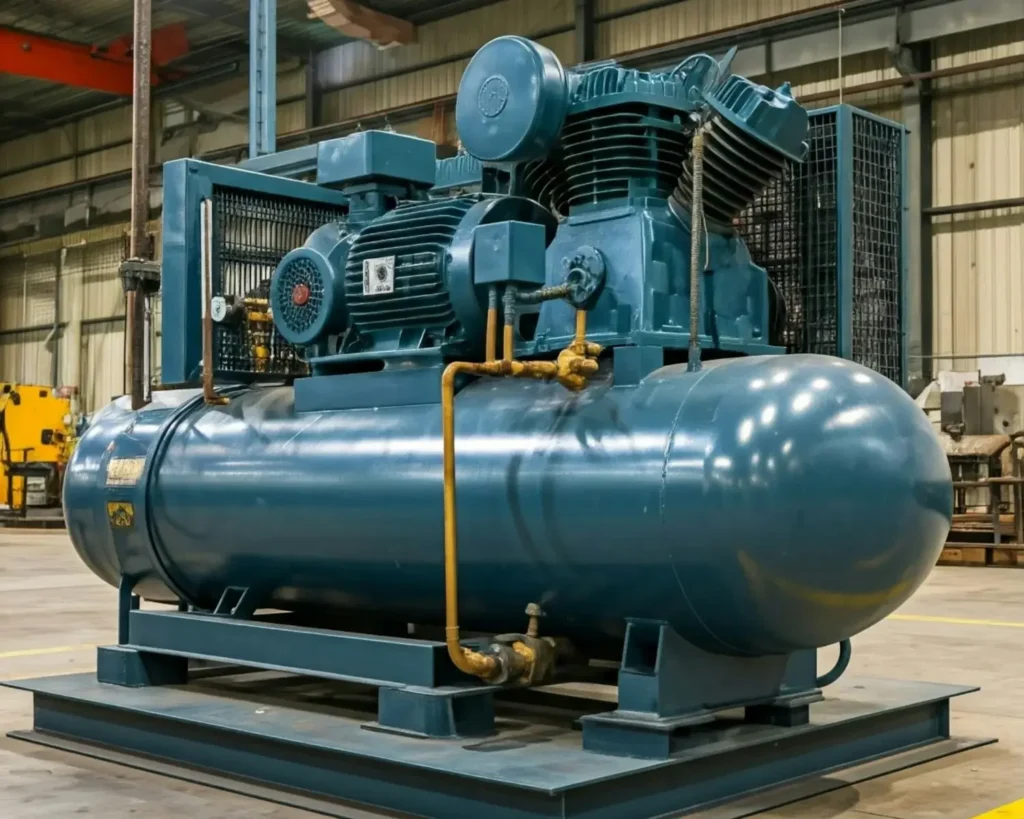
UV dye for oil and fuel formulations work with mineral oils, synthetic lubricants, hydraulic fluids, gear oils, compressor oils, and turbine oils. The carrier is an oil-soluble solvent that mixes without separation. The fluorescent compound remains stable up to the dye’s rated temperature, typically 250 to 350 degrees Fahrenheit for industrial grades.
These dyes are used in hydraulic power units, lubrication circulating systems, gearboxes, and engine oil systems. The high pressures common in hydraulic systems do not affect the dye. It circulates with the oil and escapes through the same leak path the oil takes.
Water-Based Dyes
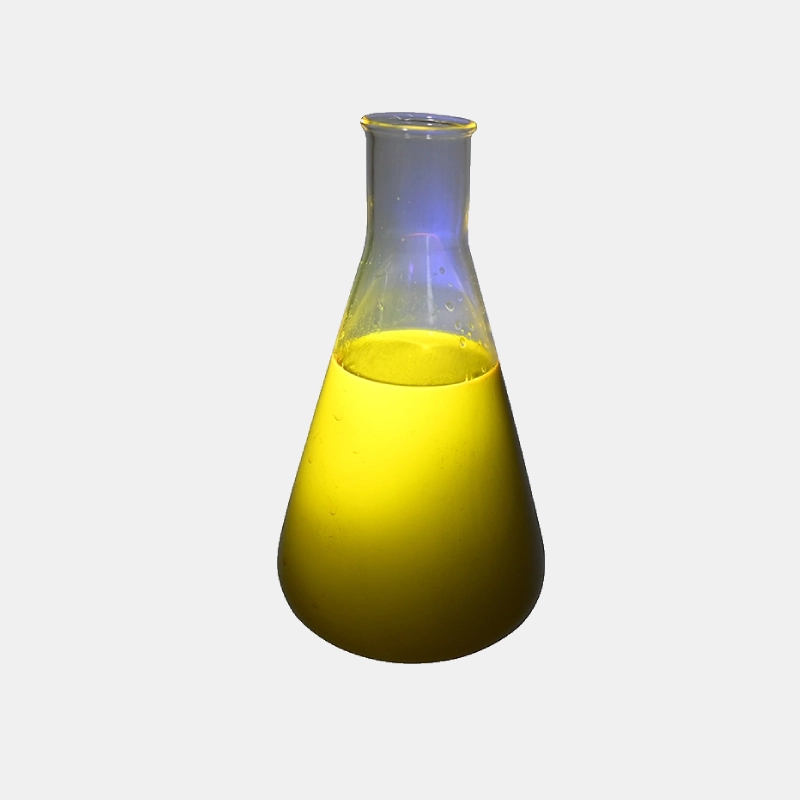
UV dye for water dissolves in plain water, water-glycol mixtures, antifreeze, and coolant solutions. These dyes use water-soluble fluorescent agents that do not precipitate out when the water chemistry changes. They are compatible with common corrosion inhibitors, biocides, and scale inhibitors used in industrial cooling systems.
Cooling towers, chillers, heat exchangers, and closed-loop water systems are the primary applications. Water-based dyes also work in plumbing leak detection, where the dye is flushed through pipes and emerges at the leak point. Some formulations are colorless under normal light and only fluoresce under UV, which is useful for applications where visible dye staining is unacceptable.
Refrigerant Dyes
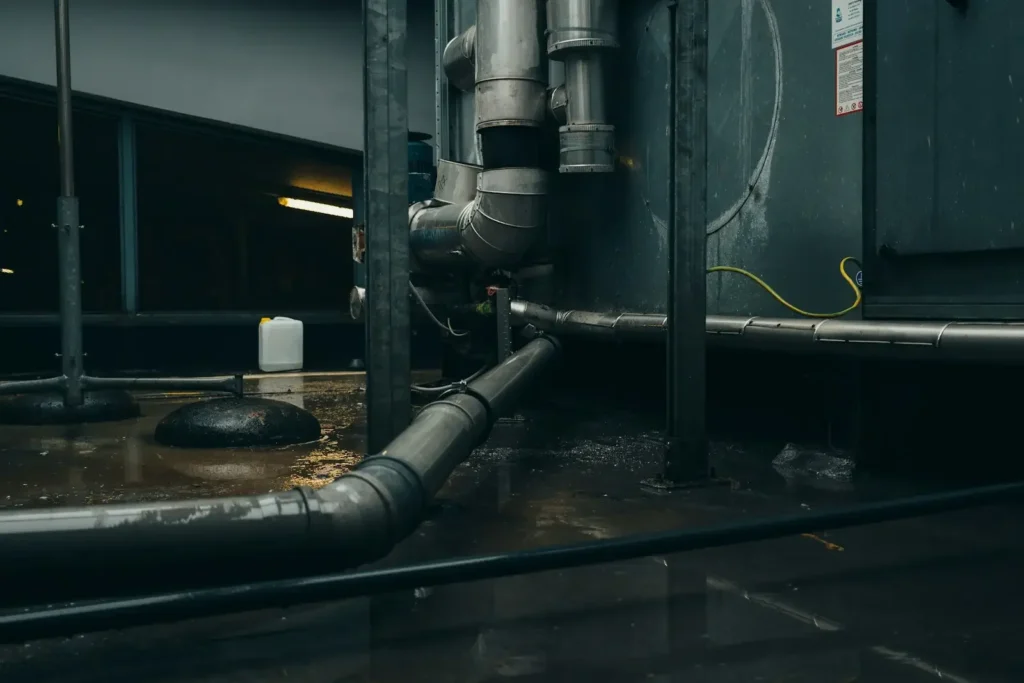
UV dye for HVACR is formulated to remain soluble in refrigerant oil and circulate through the compressor, condenser, evaporator, and associated piping. The dye must handle the phase changes and temperature swings that refrigerants experience. It also must not react with the refrigerant itself or degrade the lubricity of the compressor oil.
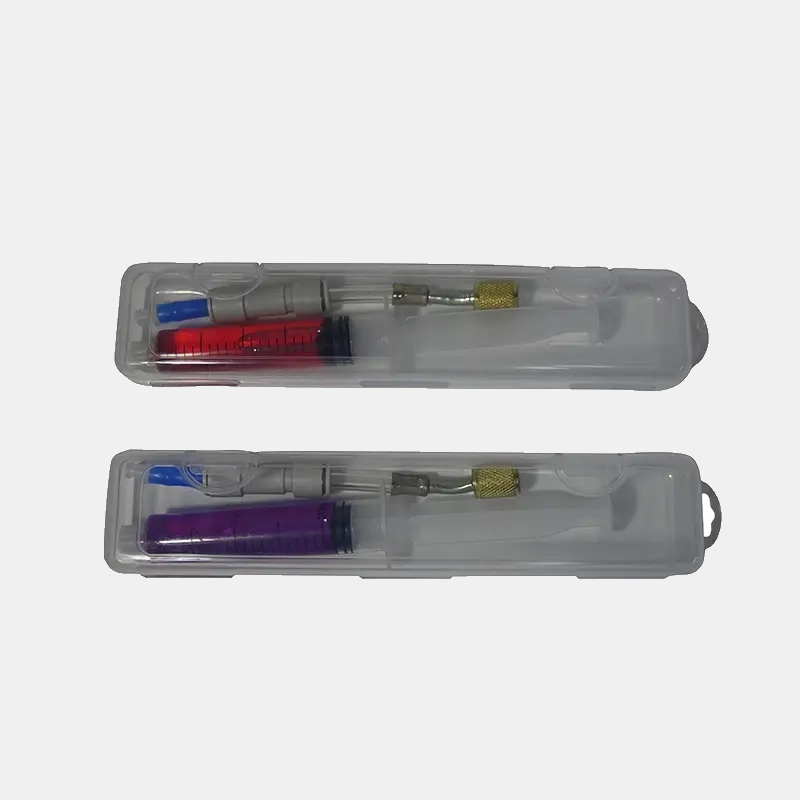
Compatibility spans common refrigerants: R-22, R-134a, R-404A, R-410A, and newer HFO blends. The dye is injected through the service port. Once in the system, it circulates with the refrigerant-oil mixture. Leaks deposit dye at the escape point, where it fluoresces under UV inspection.
Fuel Dyes
Fuel system dyes are formulated for gasoline, diesel, jet fuel, and kerosene. They must remain stable in the presence of fuel additives, detergents, and ethanol blends. Fuel dyes often fluoresce orange or red to distinguish them from the green dyes more common in oil and water applications.
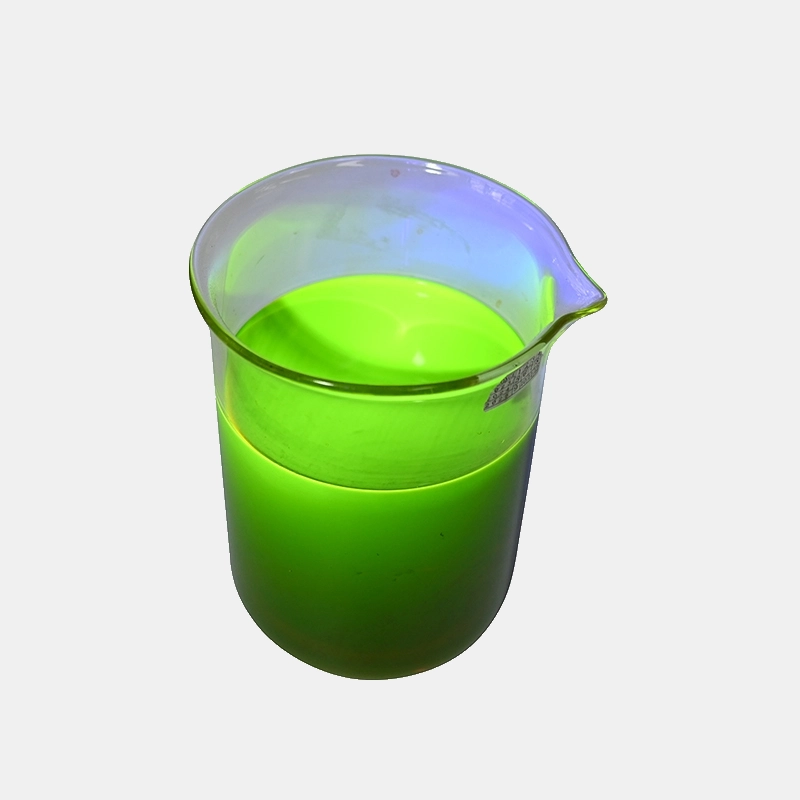
The Cross-Category Rule
Never use an oil dye in a water system, a water dye in an oil system, or any dye in a fluid type it was not designed for. The incompatibility is immediate and obvious. The dye does not mix. It forms droplets, layers, or sediment. The UV inspection will show nothing because the dye never reached the leak in meaningful concentration. If you are unsure about compatibility, contact the dye manufacturer with your fluid specification and operating conditions.
Operating Temperature and Pressure: The Hidden Selection Variables
Temperature and pressure conditions determine whether a dye remains chemically stable and evenly distributed. Standard dyes handle systems up to 250 degrees Fahrenheit. High-temperature applications above 300 degrees require thermally stabilized formulations. Pressure itself does not degrade dye, but extreme pressure drops at leak points can atomize the fluid and dye, making detection harder.
Temperature affects dye in two ways: chemical stability and solubility. Most industrial fluorescent dyes use aromatic hydrocarbon compounds that absorb UV light. These compounds have a thermal decomposition threshold. Below that threshold, the molecules remain intact and fluorescent. Above it, they break down and lose fluorescence. The decomposition is permanent. Cooling the system back down does not restore the dye.
Thermal Stability Ratings
Industrial dye manufacturers provide thermal stability data for their products. A typical oil-based dye might be rated for continuous operation at 250 degrees Fahrenheit with intermittent exposure up to 300 degrees. High-temperature formulations extend this to 350 or 400 degrees. The rating assumes the dye is in the fluid at normal concentration. If the system operates near the dye’s upper limit, the effective lifetime shortens. The dye does not fail instantly but degrades over weeks or months.
Systems that experience temperature cycling need dyes that remain soluble across the full temperature range. A dye that dissolves at 150 degrees but precipitates out at 60 degrees will accumulate in low points and filters. The concentration in the circulating fluid drops, and the dye never reaches remote leak points. This is a common problem in outdoor hydraulic systems that start cold in the morning and heat up during operation.
Pressure Considerations
Pressure does not degrade dye chemically. The fluorescent molecules are not crushed or broken by high pressure. The issue with pressure is physical. At leak points, fluid passes from high pressure to atmospheric pressure. This rapid expansion can atomize the fluid into a fine mist. For hydraulic systems at 3,000 psi or higher, the leak may be a nearly invisible spray that evaporates before forming a drip.
Dye still deposits at these leak points because the mist carries dye molecules that stick to surrounding surfaces. But the deposit is faint and spread over a wider area. A higher dye concentration or a more powerful UV lamp may be needed to see it. For very high-pressure systems, some technicians increase the dye dose by 50 percent above the standard recommendation to compensate for atomization losses.
Fluorescence Color: Green, Yellow, or Orange and When to Use Each
Green fluorescent dye provides the highest visibility for most applications because the human eye is most sensitive to green light. Yellow and orange dyes are better when the inspection background already contains green-fluorescing materials, such as certain oils, greases, or refrigerant residues. The right color depends on what the background looks like under UV light.
The choice of fluorescence color is not cosmetic. It is about contrast. A green-glowing dye on a green-glowing background is invisible. The technician sees uniform fluorescence and cannot distinguish the leak signal from the background noise. Switching to a yellow or orange dye shifts the signal wavelength to a range where the background does not fluoresce.
When Green Works Best
Green fluorescence, peaking around 525 nanometers, is the default choice for most leak detection work. The human eye detects green light at lower intensities than other colors. This means a faint green glow is visible when a yellow or orange glow of the same intensity would be invisible.
Green dye works well on dark backgrounds: black hoses, metal surfaces, cast iron, and painted surfaces that do not fluoresce. Most industrial machinery and piping falls into this category. The contrast between the bright green glow and the dark background makes even tiny leak traces obvious.
When Yellow or Orange Is Better
Some materials fluoresce green under UV light even without dye. Certain mineral oils have natural green fluorescence. Some greases and lubricants glow faintly. Refrigerant oil residues also tend toward green fluorescence. If the inspection area has these materials as background, a green dye signal gets lost.
Yellow dye, fluorescing around 580 nanometers, and orange dye, around 600 nanometers, provide contrast against green backgrounds. They also work well in environments where safety concerns require the dye to be distinguishable from naturally fluorescing materials. A technician can immediately tell whether a glow is dye or background oil.
Testing the Background
Before choosing a dye color, scan the system with a UV lamp without any dye in it. Look at the surfaces where leaks would appear. If the background shows any green glow, choose yellow or orange dye. If the background is dark, green dye will give the highest sensitivity.
Application-by-Application Dye Selection Guide
Different industries and systems impose different requirements on dye selection. A cooling tower dye needs water solubility and biocide compatibility. A hydraulic system dye needs high-temperature stability and oil solubility. A pool leak detection dye needs to be visible in chlorinated water without staining surfaces. Matching the dye to the application avoids every common failure mode.
The table below summarizes the recommended dye type, color, and key considerations for common applications.
| Application | Fluid | Recommended Dye Type | Typical Color | Key Considerations |
|---|---|---|---|---|
| Industrial hydraulics | Mineral oil, synthetic | Oil-based | Green | High temp stability, high pressure atomization |
| Turbine lube oil | Mineral oil | Oil-based | Green | Long-term stability, high volume systems |
| Cooling towers | Water, water-glycol | Water-based | Green | Corrosion inhibitor compatibility, large volume |
| Chillers | Water, glycol | Water-based | Green | Low temp solubility, closed loop |
| HVAC refrigeration | R-410A, R-134a, etc. | Refrigerant | Yellow | Refrigerant oil solubility, phase change stability |
| Automotive AC | R-134a, R-1234yf | Refrigerant | Yellow | Service port injection, system volume |
| Fuel storage tanks | Diesel, gasoline | Fuel | Orange | Fuel additive compatibility, ethanol stability |
| Underground pipe leak | Water | Water-based | Green | Soil penetration, long trace distance |
| Swimming pool | Chlorinated water | Pool-specific | Blue or green | Chlorine stability, surface non-staining |
| Heat exchanger | Water, steam condensate | Water-based | Green | High temp, possible glycol mix |
Hydraulic and Lubrication Systems
Industrial hydraulic systems run at pressures from 500 to over 5,000 psi. The fluid is mineral oil or synthetic lubricant. Leaks at these pressures spray fine mist that evaporates quickly. Dye detection is often the only practical method for finding pinhole leaks on large hydraulic power units.
Choose an oil-based dye rated for the system’s maximum operating temperature. For standard industrial hydraulics running below 200 degrees Fahrenheit, a general-purpose oil dye works. For systems near furnaces, injection molding machines, or hot environments, select a high-temperature formulation. Inject the dye at the reservoir. Circulate for at least 30 minutes before inspecting.
HVAC and Refrigeration
Refrigerant leaks are regulated and costly. Electronic sniffers are common but often fail to pinpoint the exact leak location on rooftop units or in crowded mechanical rooms. UV dye provides visual confirmation of the exact leak point.
Use a refrigerant-specific dye injected through the service port. Do not over-inject. Too much dye can affect compressor oil viscosity. Follow the manufacturer’s dosage chart based on system refrigerant charge. After injection, run the system for at least 24 hours before inspection to ensure the dye has circulated through the entire loop. This is especially important for split systems with long line sets.
Cooling Water Systems
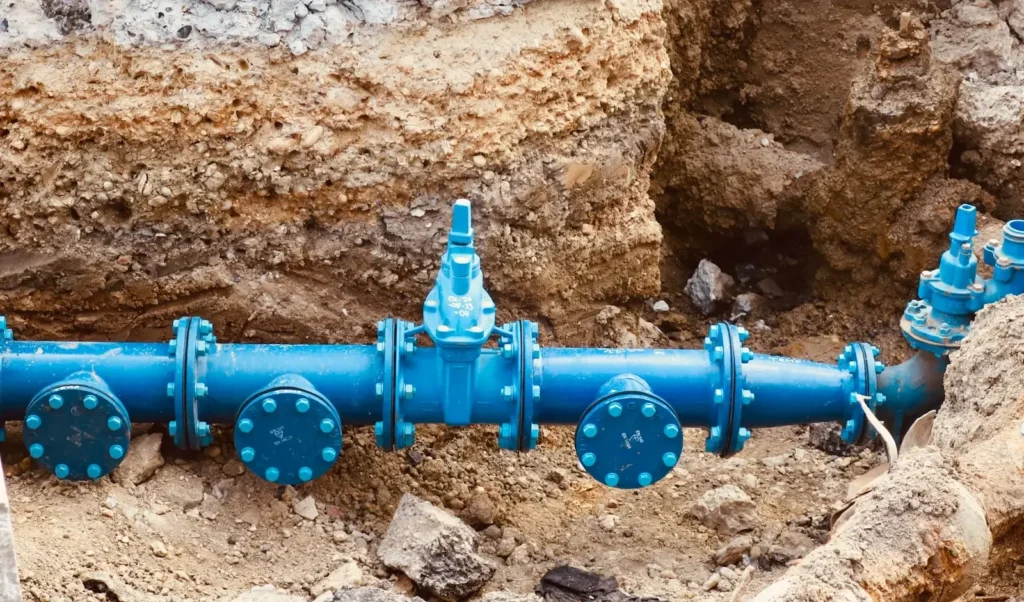
Cooling towers, chillers, and closed-loop process water systems lose water through leaks that are often underground or hidden in insulated pipes. Water-based dye injected at the pump suction or basin circulates through the entire loop. The dye exits at leak points and stains the surrounding soil or insulation.
For treated water systems, confirm that the dye is compatible with the water treatment chemicals: corrosion inhibitors, scale inhibitors, biocides, and pH adjusters. Some treatment chemicals can react with fluorescent dyes and reduce their brightness. Test compatibility by mixing a small amount of dye with a sample of system water in a clear container. Check for cloudiness, separation, or color change.
Pool and Water Feature Leak Detection
Pool leak detection dye is a specialized formulation. Standard water-based industrial dyes are not designed for chlorinated water. Pool dyes must remain stable in the presence of chlorine, bromine, and other sanitizers. They must also not stain plaster, vinyl, or fiberglass surfaces.
The application method differs from industrial systems. Rather than injecting dye into the circulation system, the technician uses a syringe to release small amounts of dye near suspected leak points: around lights, skimmers, drains, returns, and visible cracks. Water flow pulls the dye toward the leak, creating a visible tracer trail. The dye should be matched to the pool surface color for maximum visibility: blue dye for light-colored pools, green or yellow for darker surfaces.
Fuel Systems
Fuel leaks present a safety hazard. The dye must be compatible with the specific fuel type and any additives. Ethanol-blended gasoline requires dyes that remain stable in alcohol mixtures. Diesel dyes must handle the higher viscosity and different additive packages.
Fuel dyes typically fluoresce orange or red. This distinguishes them from oil and water dyes that may be present in the same facility. The color contrast also helps with diesel fuel, which has a natural greenish tint under UV light.
Dye Concentration, Injection Methods, and System Volume
Correct dye dosage is typically 1 ounce of concentrated dye per 10 to 15 gallons of system fluid. Under-dosing makes leaks invisible. Over-dosing wastes dye and can create background fluorescence that masks the leak signal. System volume must be estimated accurately before injection.
The manufacturer provides a dosage ratio on the product label. This ratio is based on testing that determines the minimum concentration needed for visible fluorescence. Going below the ratio means the dye is too dilute. The leak deposits so little dye that even a powerful UV lamp cannot see it. Going above the ratio does not improve detection and can saturate the background, making it harder to distinguish leak signals.
Calculating System Volume
Accurate volume calculation matters more for small systems. A 5-gallon hydraulic reservoir is sensitive to dosage errors. Adding 2 ounces instead of the recommended 0.5 ounces quadruples the concentration. For large systems of 500 gallons or more, a slight overdose is less impactful because the dilution is greater.
Methods for estimating volume:
- Check equipment specifications for fluid capacity
- Measure the reservoir dimensions and calculate volume
- Drain and refill while measuring (most accurate but time-consuming)
- For cooling towers, include piping volume, not just the basin
Injection Methods
Injection method depends on system type:
Open reservoir injection is the simplest. Pour the measured dye into the reservoir fill port. For oil systems, inject into the return line upstream of the reservoir to promote mixing. For water systems, inject at a point of high turbulence such as the pump suction.
Pressure injection uses a dye injector tool for closed systems like refrigerant circuits. The tool connects to the service port and pushes dye into the system under pressure without introducing air. This is the standard method for HVAC and automotive AC systems.
Syringe injection is used for pool leak detection and localized tracing. A small amount of dye is released directly at the suspected leak point to observe flow direction.
Circulation Time
After injection, the dye needs time to distribute evenly. Circulation time depends on system volume and flow rate:
| System Volume | Minimum Circulation Time |
|---|---|
| Under 10 gallons | 15 to 30 minutes |
| 10 to 100 gallons | 30 minutes to 2 hours |
| 100 to 500 gallons | 2 to 4 hours |
| Over 500 gallons | 4 hours to overnight |
For systems with long pipe runs, multiple branches, or low flow rates, extend circulation time. The dye must reach every branch and dead leg where a leak could exist. A dye that has not circulated to a branch cannot detect a leak in that branch.
Pairing Dye with the Right UV Detection Lamp
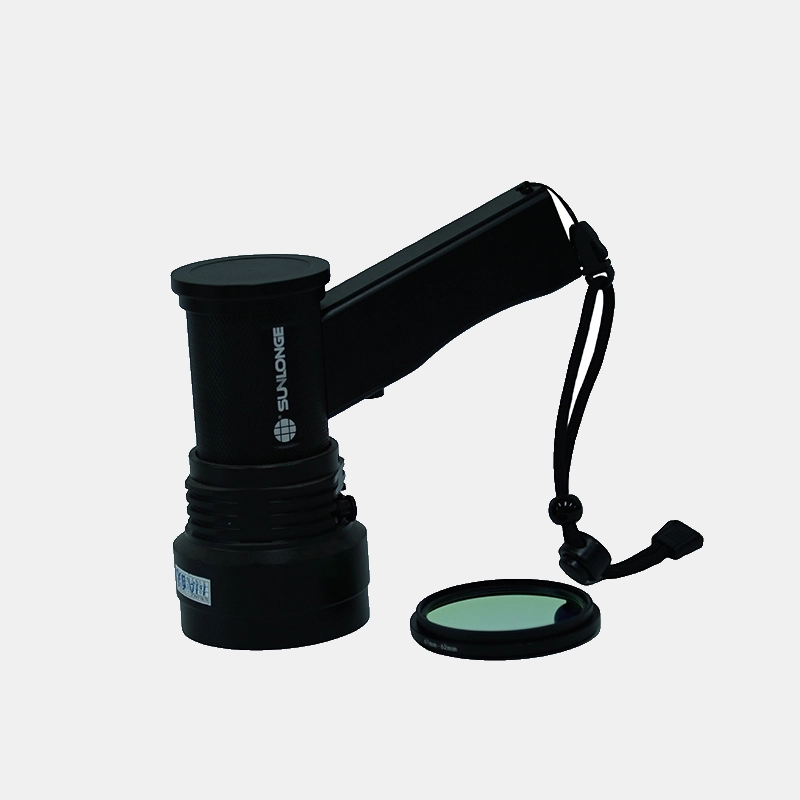
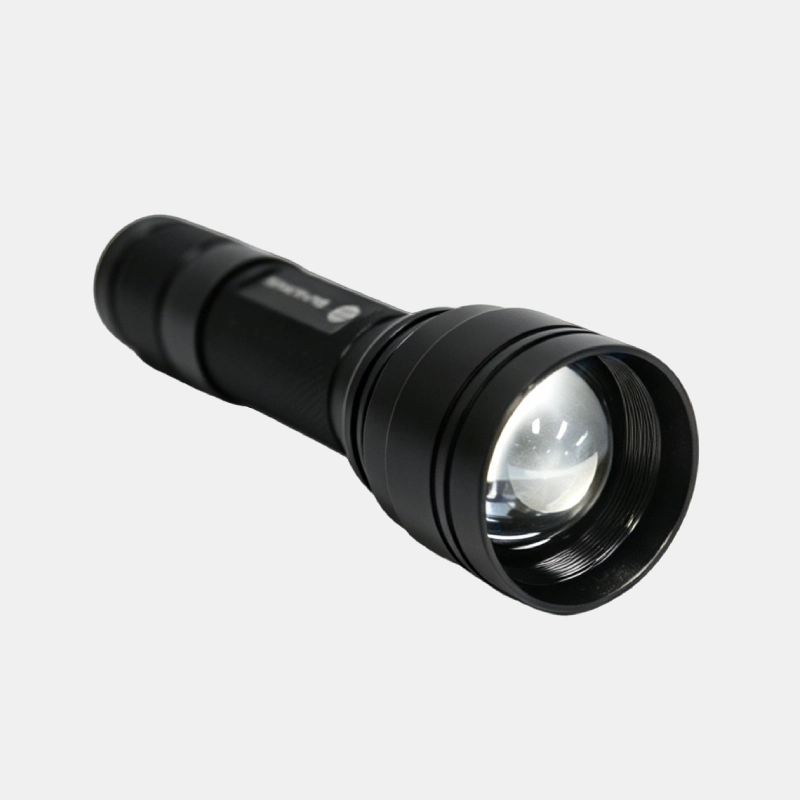
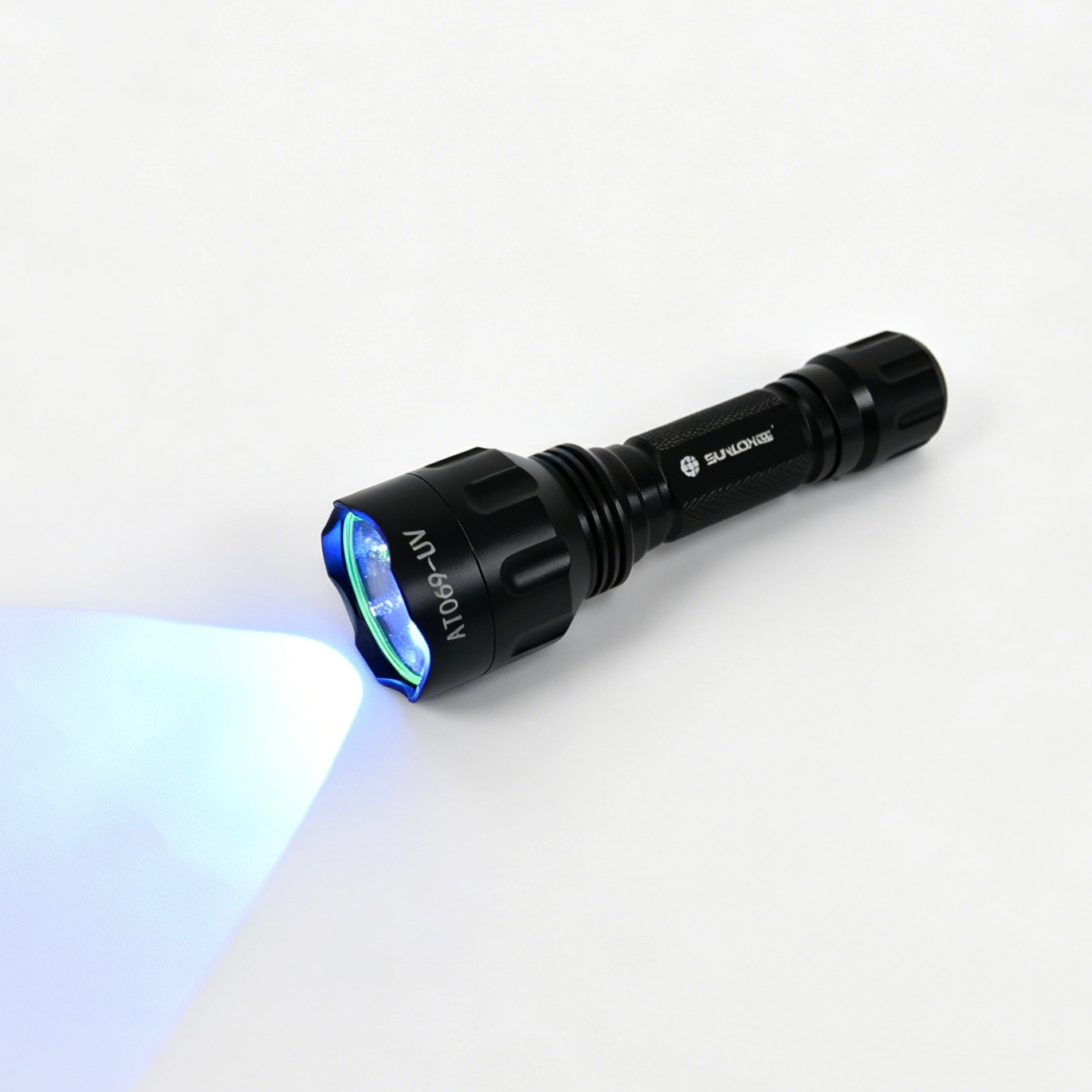
The UV lamp must output 365 nanometer ultraviolet light with sufficient intensity to excite the dye molecules. A weak lamp misses faint leaks. A lamp with the wrong wavelength excites the dye poorly. Lamp and dye are a paired system. Neither works well without the other.
The relationship between dye and lamp is straightforward: the dye absorbs UV light at 365 nanometers and emits visible light at its characteristic color. The lamp must produce strong output at exactly 365 nanometers. Lamps that produce visible violet light alongside UV are less effective because the visible light washes out the dye’s fluorescence.
Lamp Power Requirements
UV lamp power, measured in watts for LED lamps, determines how brightly the dye glows and how far away you can see it.
| Lamp Power (LED) | Best For | Inspection Distance |
|---|---|---|
| 5 to 10 watts | Small systems, close-up inspection | Up to 6 inches |
| 10 to 30 watts | Standard industrial, engine bays | 6 to 18 inches |
| 30 to 50 watts | Large equipment, outdoor use | 1 to 3 feet |
| 50 to 100 watts | Cooling towers, overhead piping, daylight | 3 to 6 feet |
Higher power does not always mean better. A 100-watt lamp is heavy, generates heat, and may be overkill for close-up inspection of small fittings. Match the lamp power to the inspection distance and ambient light conditions.
The 365 nm Standard
Almost all fluorescent leak detection dyes are tuned to absorb at 365 nanometers. This wavelength is within the UV-A band and is safe for human exposure with proper eye protection. Lamps at other UV wavelengths produce weaker fluorescence. A 395 nanometer “blacklight” might seem to work because it produces some visible glow, but the fluorescence efficiency is much lower. Many faint leaks visible under 365 nanometer light are invisible under 395 nanometer light.
Filtered Light and Filtered Glasses
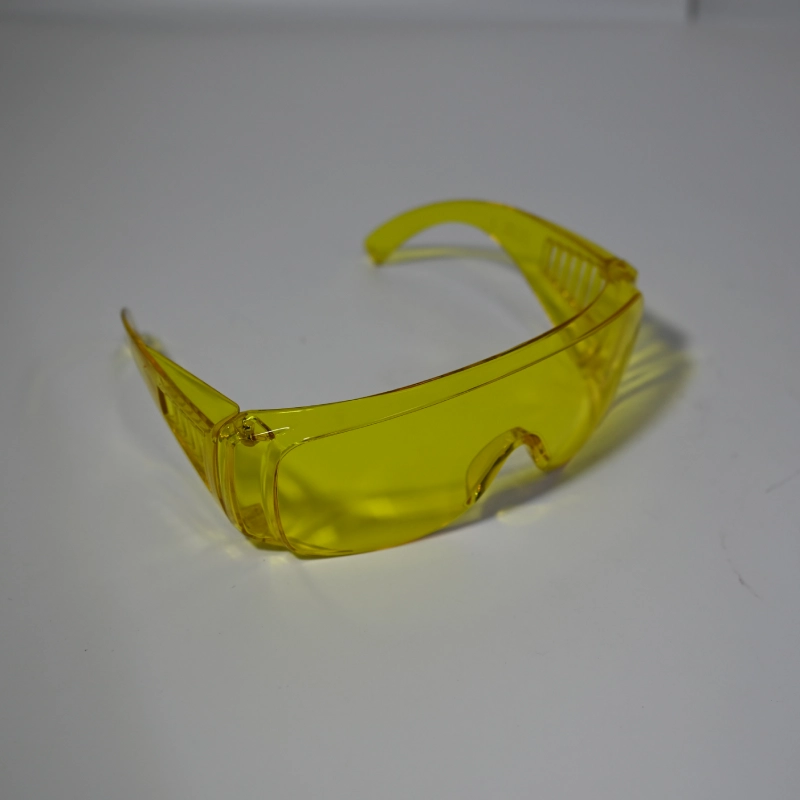
A quality UV lamp includes a visible light filter that blocks the small amount of visible light the UV LED produces. Without this filter, the lamp casts a dim violet glow that competes with the dye’s fluorescence. The technician’s UV-blocking safety glasses allow the visible fluorescence to pass while blocking reflected UV light. The combination of filtered lamp and filtered glasses creates the high-contrast viewing condition that makes leak detection work.
The Pairing Principle
Choose your dye first based on fluid compatibility and application. Then select a lamp with matching wavelength and sufficient power for the inspection environment. Do not buy a lamp and then try to find a dye that works with it. The dye determines the lamp requirements, not the other way around.
Making the Right Choice and Building a Leak Detection Program
Choosing the right UV fluorescent leak detection dye is not complicated. It requires attention to four details: what fluid is in your system, how hot the system runs, what the inspection background looks like under UV, and how much fluid the system holds. Get these four right and the dye will perform. Ignore one and the inspection may fail.
The long-term value comes from building the dye into a scheduled maintenance program. Dye stays in the system. The initial injection is the only one needed until the next fluid change. Quarterly inspections with a UV lamp catch leaks when they are small, before they cause damage or downtime. A dye program costs less per year than a single major leak repair.
Document each inspection. Note the date, the equipment, the dye used, and any leaks found. Over time, this record shows patterns. A particular fitting that leaks every six months may need a design change rather than repeated repairs. A system that develops leaks after fluid changes may have a seal compatibility issue. The dye does more than find leaks. It generates data that improves maintenance decisions.
FAQ
Can I use different dye types in the same facility for different systems?
Yes, and this is standard practice. An industrial facility often has hydraulic systems needing oil-based dye, cooling towers needing water-based dye, and HVAC units needing refrigerant dye. The dyes are color-coded and packaged separately. Keep them clearly labeled and stored apart to prevent mix-ups during injection. A dye type intended for one fluid must never cross over to another system, even in small amounts.
How should UV fluorescent dye be stored to maintain effectiveness?
Store dye in its original container with the cap tightly closed. Keep it between 40 and 90 degrees Fahrenheit, out of direct sunlight, and away from ignition sources if the carrier is solvent-based. Most industrial dyes have a shelf life of 2 to 3 years when stored properly. If the dye has separated or changed color in the bottle, do not use it. Separation indicates the formulation has broken down and the dye will not distribute evenly in the system.
Is UV fluorescent dye safe for systems that handle food-grade or potable water?
Only dyes with NSF/ANSI Standard 61 certification should be used in potable water systems. This certification verifies that the dye does not leach harmful chemicals into drinking water. For food processing equipment, dyes must meet FDA indirect food contact regulations. These certified formulations use fluorescent compounds that are non-toxic at the concentrations used. Always verify the certification status of a dye before using it in food-grade or drinking water applications.