
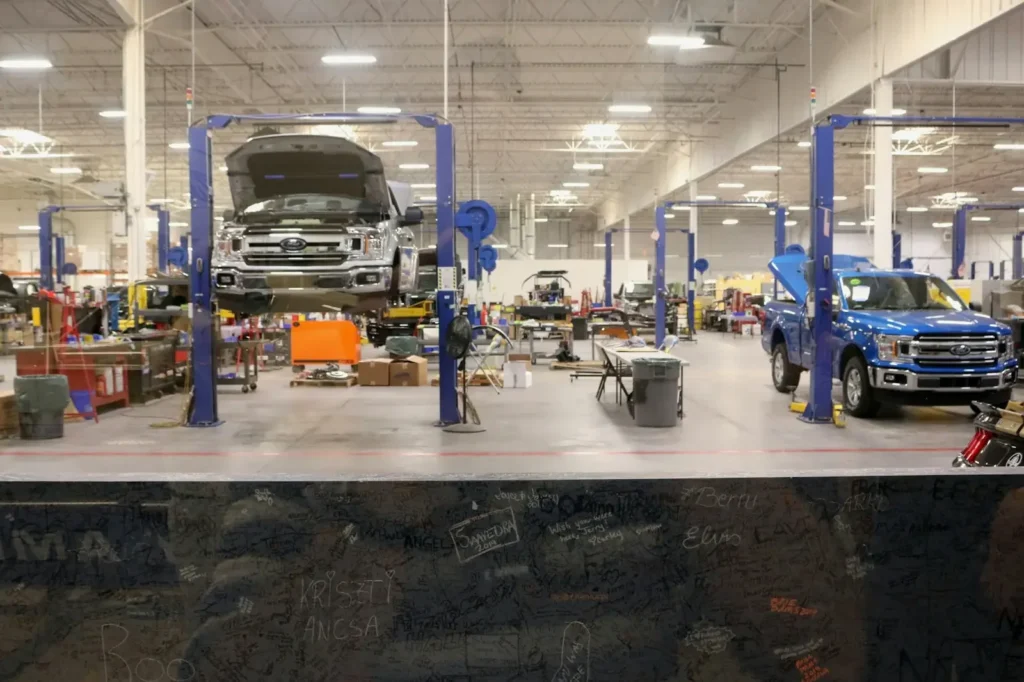
In industrial facilities, HVAC systems, automotive service bays, and manufacturing plants, hidden leaks can lead to higher operating costs, equipment damage, and compliance risks. Many leaks are too small, too slow, or too inaccessible to detect with the naked eye, especially when they occur inside enclosed systems or behind panels and piping.
A UV Leak Detection Light is a specialized inspection tool that makes fluorescent leak detection dye glow, allowing technicians to quickly locate leaks that would otherwise remain invisible. By illuminating dyed refrigerants, oils, fuels, or other fluids, it turns a difficult diagnostic task into a fast, visual inspection.
This article explains how UV leak detection works, where it is used, what features matter most, and how to choose the right flashlight for reliable field inspections.
What Is a UV Leak Detection Light?
A UV leak detection light is a handheld or portable ultraviolet inspection tool designed to reveal fluorescent dye that has escaped from a system due to leakage. When the dye is exposed to UV-A light, it fluoresces brightly, making the leak path visible even in dim or busy environments.
These lights are widely used in maintenance and service operations because they provide a simple, non-destructive way to identify leakage points. Instead of disassembling equipment or relying on guesswork, technicians can scan surfaces and immediately spot glowing traces of dye around fittings, seals, hoses, joints, and components.
A good UV Leak Detection Light is usually designed to deliver the right wavelength, enough intensity for inspection work, and a beam pattern that supports both wide-area scanning and precise pinpointing.
Why fluorescent dye matters
Fluorescent dye is what makes UV leak detection effective. It is added to a system and carried by the operating fluid. When a leak occurs, the dye escapes with the fluid and remains visible under ultraviolet illumination.
Common benefits of dye-based inspection include:
-
Easy visual confirmation of leak location
-
Faster troubleshooting than pressure testing alone
-
Better visibility in low-light or shadowed areas
-
Reduced downtime during maintenance checks
How Does a UV Leak Detection Light Work?
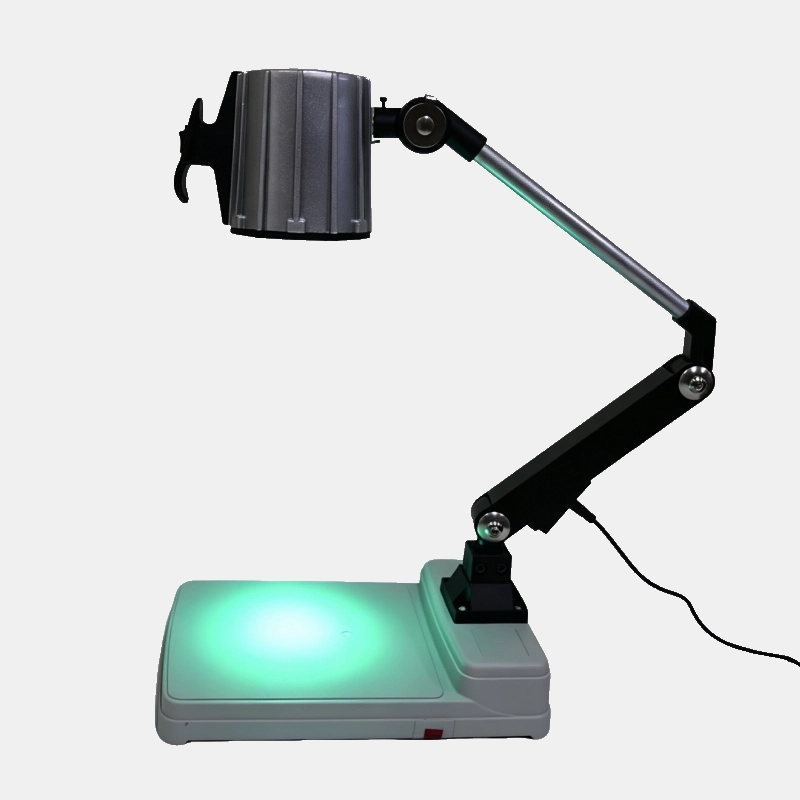
A UV leak detection light works by emitting ultraviolet radiation, typically in the UV-A range, which excites the fluorescent molecules in the dye. Once excited, the dye emits visible light, usually a bright yellow, green, or neon glow. This glowing response makes the leak stand out clearly from surrounding surfaces.
In practical use, technicians apply fluorescent dye to the system or work with a system that already contains dye. They then darken the inspection area as much as possible and scan the equipment with the UV light. Any leaked fluid leaves a glowing trail, spot, or residue that points directly to the source.
The basic detection process
-
Add or confirm the presence of compatible fluorescent dye.
-
Run the equipment under normal operating conditions.
-
Inspect the system in a low-light environment.
-
Scan with a UV flashlight at the recommended distance.
-
Identify glowing traces that indicate the leak path.
-
Confirm the source and repair the failing component.
For field technicians, a dedicated UV Leak Detection Flashlight is often preferred because it is portable, quick to deploy, and suitable for routine inspections in tight or difficult-to-access areas.
Why UV-A is commonly used
UV-A is the most common range for fluorescence inspection because it balances visibility and safety better than shorter-wavelength UV types. It is effective at activating many fluorescent dyes without the complexity of more specialized laboratory equipment.
According to the U.S. Occupational Safety and Health Administration, ultraviolet exposure should always be handled with proper safety awareness, protective eyewear when appropriate, and manufacturer guidance for safe use.
Where Is UV Leak Detection Used?
UV leak detection is used anywhere a fluid leak can cause performance loss, contamination, or safety issues. It is especially valuable when the leak is intermittent, very small, or hidden inside complex machinery.
Common industrial applications
|
Industry / System
|
Typical Leak Targets
|
Why UV Detection Helps
|
|---|---|---|
|
HVAC and refrigeration
|
Refrigerant lines, valves, coil joints
|
Finds small leaks before efficiency drops
|
|
Automotive service
|
Oil, coolant, transmission fluid, power steering fluid
|
Speeds up diagnosis under the hood
|
|
Hydraulics
|
Hoses, fittings, cylinders, seals
|
Reveals seepage in high-pressure systems
|
|
Manufacturing equipment
|
Lubrication points, pumps, enclosures
|
Minimizes downtime and product contamination
|
|
Process industries
|
Pipelines, tanks, transfer lines
|
Supports preventive maintenance programs
|
In HVAC and refrigeration, the method is especially useful because even a minor refrigerant leak can reduce system efficiency and increase operating costs. In automotive work, dye inspection is often used after a customer reports fluid loss but the source is not obvious. In hydraulics and manufacturing, UV inspection helps catch early-stage leaks before they cause equipment failure.
What Are the Main Benefits of Using UV Leak Detection?
A UV leak detection light offers more than convenience. It improves inspection speed, visibility, and diagnostic confidence, especially in environments where traditional visual checks are not enough.
Faster inspections
Once dye is in the system, scanning with UV light is quick. Technicians can inspect large areas in minutes, which is useful for maintenance teams working under time pressure.
Better accuracy
Because the dye glows only where fluid has traveled, the inspection process helps distinguish the actual leak point from general grime, stains, or condensation. That reduces unnecessary part replacement.
Lower repair costs
By identifying the true source early, facilities can avoid secondary damage and limit labor spent on repeated troubleshooting. Early detection is often far less expensive than responding after a major failure.
Non-destructive testing
UV leak detection does not require cutting into the system or removing major components for initial diagnosis. This is especially valuable for enclosed assemblies and critical equipment.
Useful for preventive maintenance
When used regularly, UV inspection can become part of a preventive maintenance program. Technicians can monitor recurring problem areas and catch deterioration before it becomes an operational issue.
How to Choose the Right UV Leak Detection Light
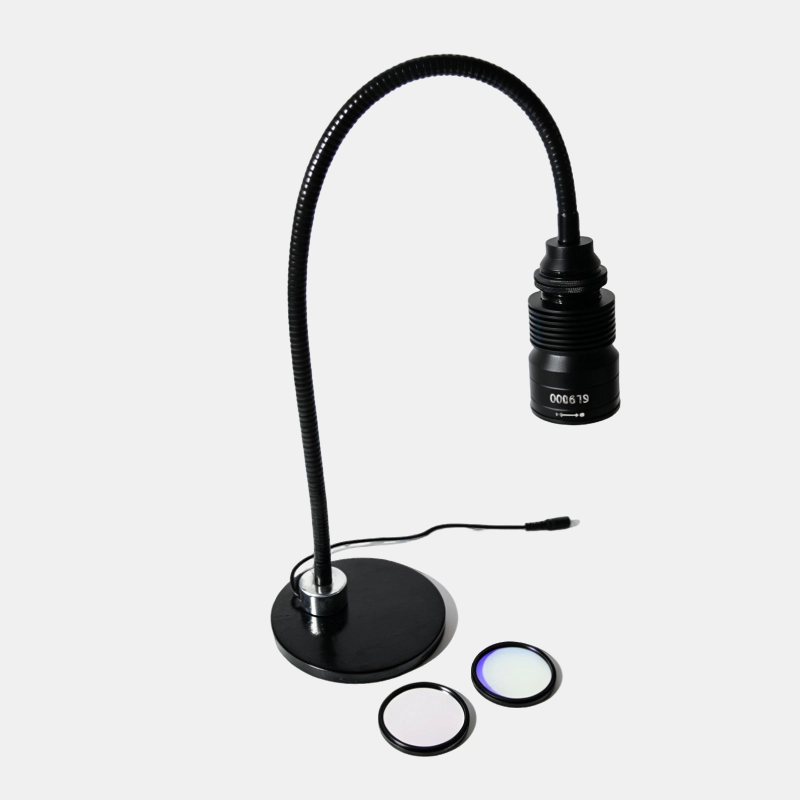
Choosing the right tool depends on the type of work, the inspection environment, and how often the light will be used. A compact flashlight may be enough for basic service jobs, while demanding industrial applications may require stronger illumination and broader coverage.
Key features to evaluate
|
Feature
|
Why It Matters
|
What to Look For
|
|---|---|---|
|
Wavelength
|
Affects dye fluorescence efficiency
|
UV-A output suited for inspection dyes
|
|
Light intensity
|
Influences visibility in realistic work conditions
|
Strong, consistent output
|
|
Beam pattern
|
Determines scan coverage and precision
|
Balanced wide beam and focused hot spot
|
|
Portability
|
Important for field use
|
Lightweight and easy to carry
|
|
Durability
|
Needed in industrial environments
|
Rugged housing and impact resistance
|
|
Battery life
|
Affects continuous inspection time
|
Long runtime and reliable charging
|
Wavelength and compatibility
Not all fluorescent dyes respond equally to every UV source. For best results, the flashlight should match the dye formulation used in the system. If the wrong output is used, fluorescence may appear weak or uneven.
Beam coverage and inspection style
If you inspect wide surfaces or multiple components, a broader beam may be helpful. If you often look for tiny seepage around seals and fittings, a more focused beam can make it easier to isolate the exact source.
Work environment considerations
Consider whether inspections happen in bright shop floors, dark engine compartments, confined mechanical rooms, or outdoor settings. The best tool is the one that remains practical under real working conditions, not just in ideal demonstrations.
How to Get Better Results During Leak Inspection
Even a high-quality UV leak detection light will underperform if the inspection process is inconsistent. Good technique is just as important as the tool itself.
Best practices for reliable detection
-
Clean the surface before inspection so old residue does not confuse results.
-
Reduce ambient light where possible.
-
Let the dye circulate long enough to reach the leak point.
-
Inspect slowly and methodically, especially around joints and seals.
-
Mark glowing areas before cleaning or repairing the system.
-
Recheck after repair to confirm the leak is fully resolved.
If the area is too bright, the fluorescence may be harder to see. In those cases, turning off nearby lights or using shielding can significantly improve visibility. For large facilities, routine inspection scheduling also helps ensure that leaks are detected before they spread.
Safety and Handling Considerations
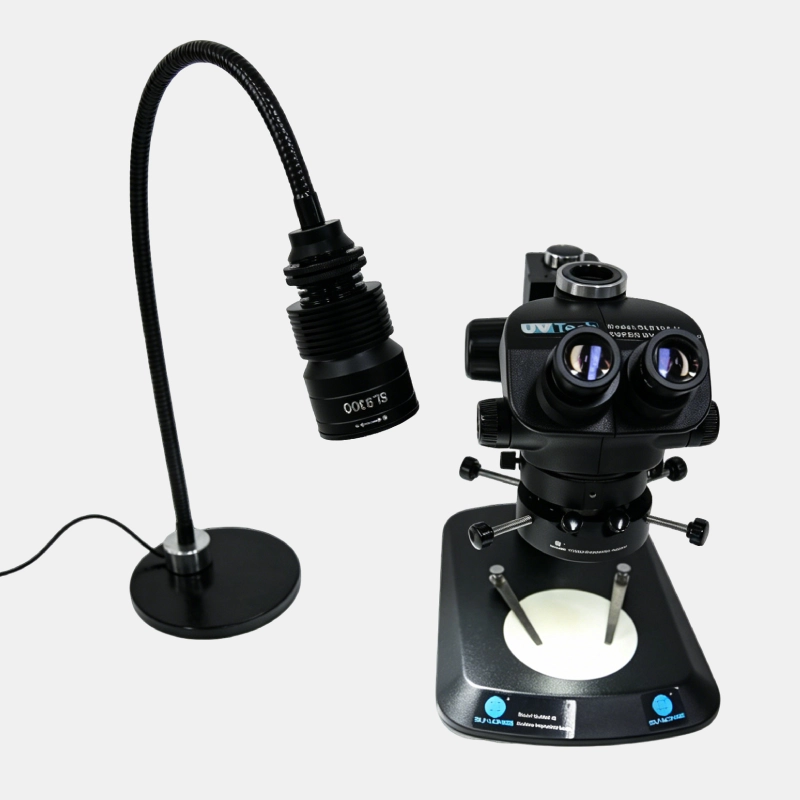
UV inspection is generally straightforward, but it should still be used responsibly. Ultraviolet light can be harmful with prolonged exposure, particularly to eyes and skin, so users should follow the light manufacturer’s instructions and workplace safety procedures.
For safety guidance on radiation exposure and protective practices, refer to the Centers for Disease Control and Prevention and other recognized occupational health resources. In many settings, it is also wise to avoid looking directly into the beam and to use appropriate eye protection when recommended.
Practical safety reminders
-
Use only approved dyes and inspection lights for the application.
-
Avoid unnecessary direct exposure to UV light.
-
Keep inspection tools clean and stored properly.
-
Verify chemical compatibility with the fluid system.
-
Follow facility safety rules for electrical and mechanical equipment.
Why UV Leak Detection Remains a Practical Inspection Method
Despite advances in sensing technology, UV dye inspection remains popular because it is easy to adopt, affordable, and effective across many service environments. It does not require complex software, expensive monitoring systems, or extensive training to deliver useful results.
For many teams, the combination of fluorescent dye and a reliable UV Leak Detection Flashlight provides the right balance of speed, visibility, and field usability. That makes it a dependable choice for maintenance crews, repair shops, and industrial service providers looking to improve inspection accuracy.
A UV leak detection light is not just a flashlight. It is a diagnostic tool that helps technicians find hidden problems early, reduce wasted labor, and protect valuable equipment from avoidable damage.
FAQ
Can a UV leak detection light find every type of leak?
No. It works best when a compatible fluorescent dye is present in the fluid path. Very clean or extremely small leaks may still require complementary testing methods.
How long does the dye need to circulate before inspection?
It depends on the system size and flow pattern. In many applications, the dye must circulate long enough to reach the leak point and leave visible residue.
Is UV leak detection suitable for routine maintenance programs?
Yes. Many teams use it as part of scheduled inspections because it helps identify early-stage leakage before it turns into a costly repair.