Water systems are often hidden behind walls, underground, or inside industrial equipment, which makes leaks, flow issues, and contamination paths difficult to identify. In many facilities, small losses of water can go unnoticed for months, increasing costs, damaging assets, and complicating maintenance planning.
UV Dye for Water is a fluorescent tracer added to water so it can be detected quickly under ultraviolet light, making invisible movement, leaks, and connections visible. It is widely used in plumbing, HVAC, water treatment, environmental studies, and industrial troubleshooting because it offers a simple, non-invasive way to track water behavior.
Understanding how UV Dye for Water works, where it is applied, and how to choose the right type can help you improve diagnostics and reduce downtime.
What Is UV Dye for Water?
UV Dye for Water is a fluorescent additive designed to make water visible under UV light, helping users trace leaks, follow flow paths, and verify system performance.
In practical terms, it is a diagnostic dye that dissolves in water and fluoresces when exposed to a UV source. This makes it easier to identify where water is moving, where it is escaping, and whether a system is functioning as intended. In many applications, it is preferred because it is fast, cost-effective, and far less disruptive than dismantling equipment or conducting invasive testing.
The dye is used across multiple industries, from facility maintenance to environmental monitoring. If you are exploring a reliable tracer for water-related inspections, a product such as UV Dye for Water is often evaluated for its visibility and compatibility with treatment systems. In other cases, a UV Dye may be selected when water-solubility and low visual interference are important.
How fluorescence makes water visible
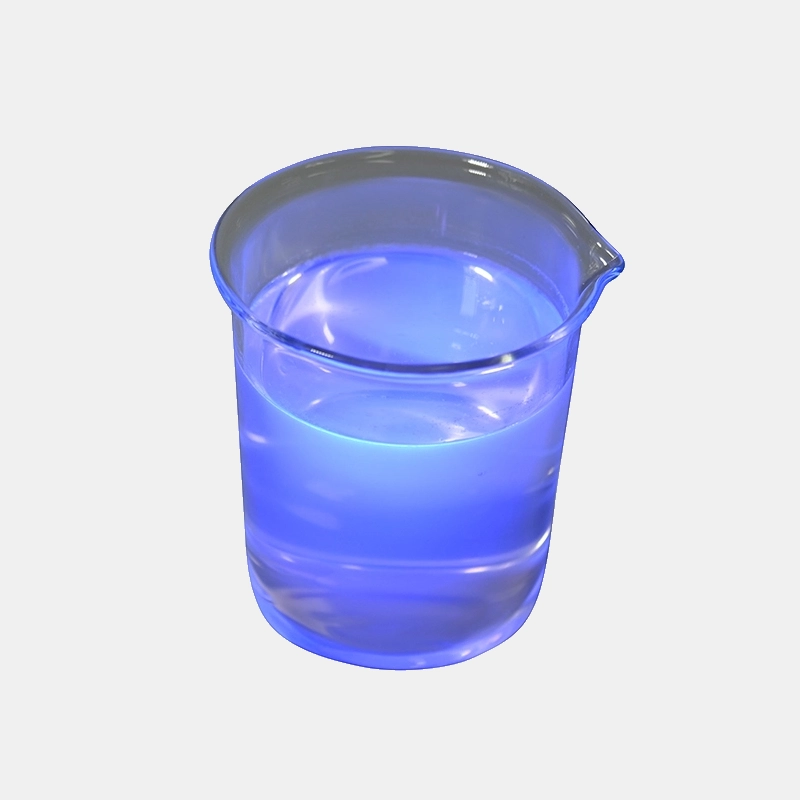
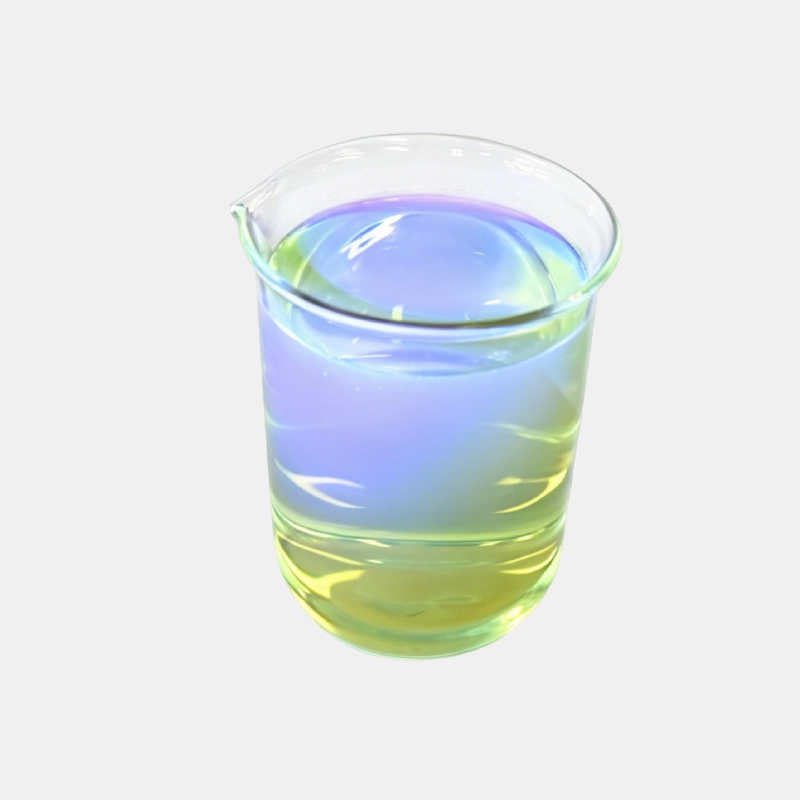
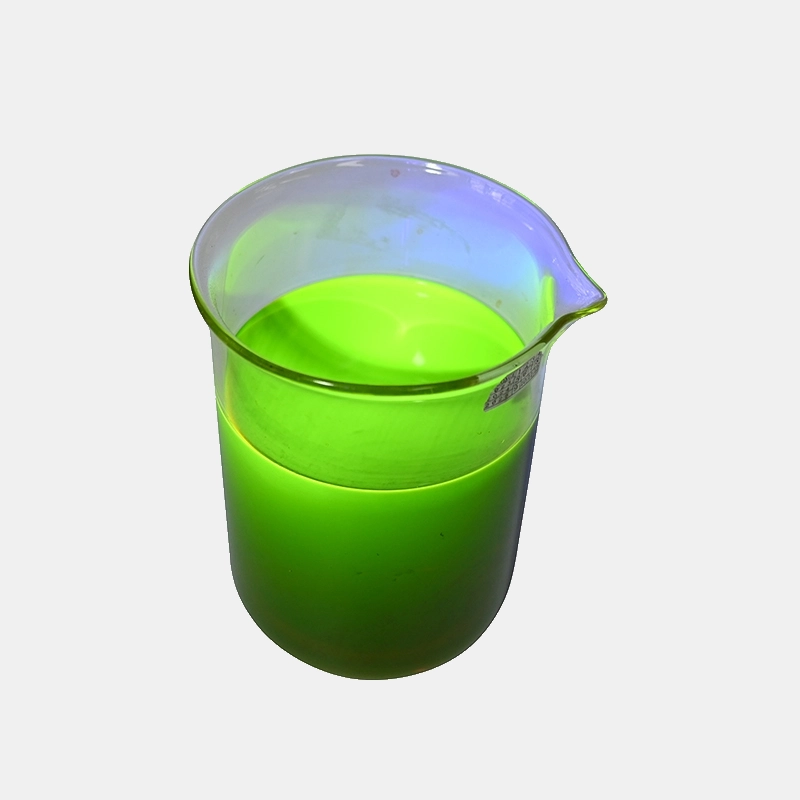
Fluorescent dyes absorb energy from UV light and re-emit it as visible light, typically in bright green, yellow-green, or blue-green tones depending on the formulation. This allows even very small amounts of dye to stand out against clear water or damp surfaces.
The principle is straightforward:
-
Add the dye to the water source.
-
Allow it to circulate or move through the system.
-
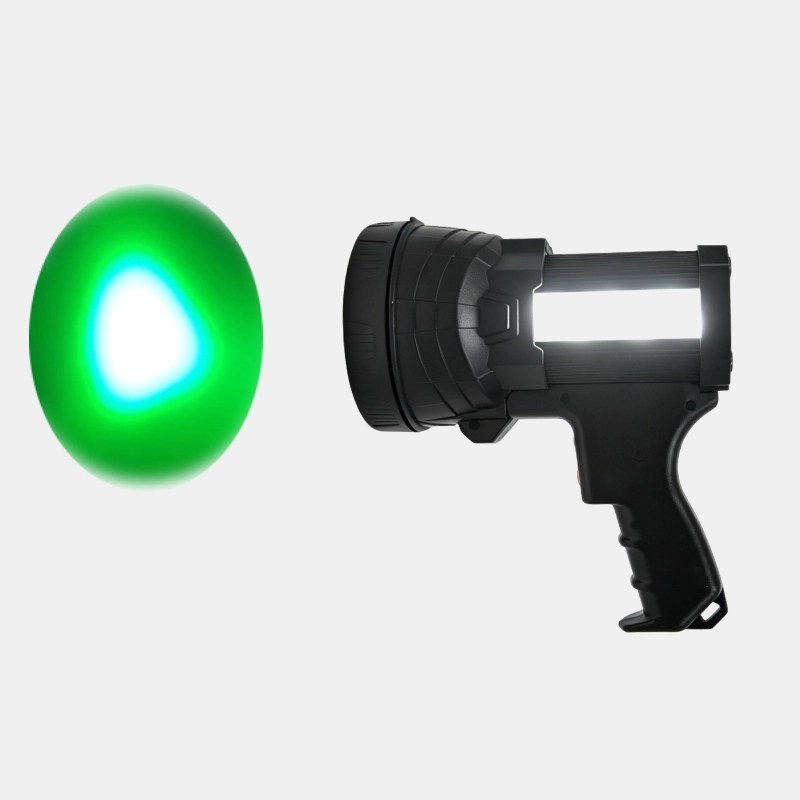
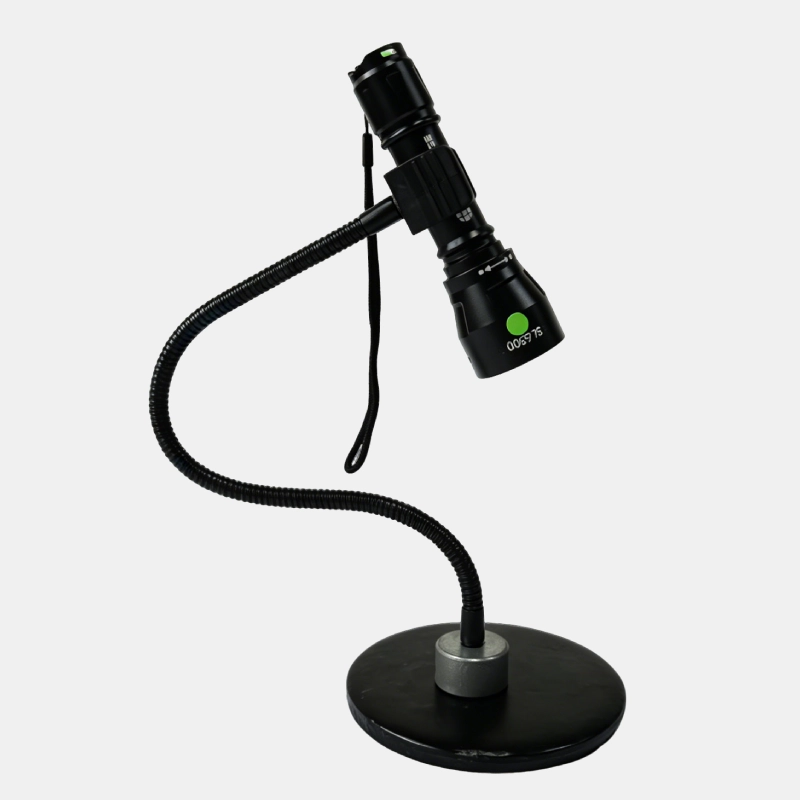
Shine a UV lamp on suspected areas.
-
Observe any glowing traces that reveal leaks or pathways.
Because the signal is highly visible under the right light, technicians can locate issues faster and with less guesswork.
How Does UV Dye for Water Work?
UV Dye for Water works by dispersing evenly in water and fluorescing under ultraviolet illumination, creating a visible signal that helps identify movement, retention, or escape points.
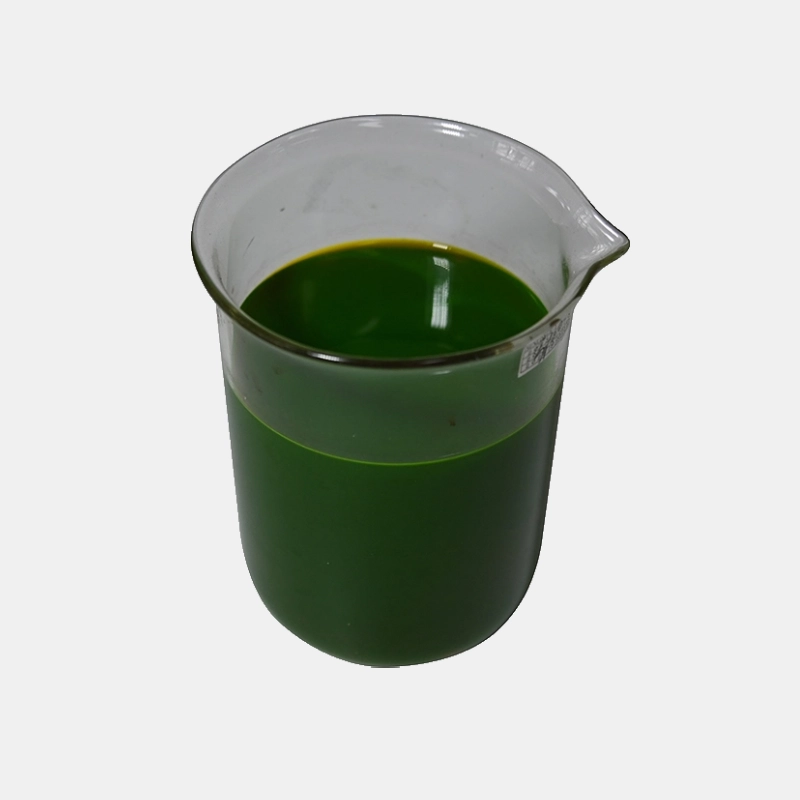
Once introduced into a system, the dye travels with the water until it reaches a leak, drain, surface crack, or collection point. Under daylight, many formulations are nearly invisible or lightly colored, but under UV light they become highly detectable. This dual behavior is useful because it minimizes visual contamination during normal operation while still providing a strong tracing effect during inspection.
The effectiveness of the dye depends on concentration, water volume, flow rate, lighting conditions, and the sensitivity of the UV source. For best results, technicians often test a small dose first, then increase gradually if needed. The goal is to achieve a detectable fluorescence without overusing the tracer.
Key factors that affect performance
Several variables influence how well the dye performs in real-world conditions:
|
Factor
|
Why it matters
|
Practical note
|
|---|---|---|
|
Concentration
|
Too little may be hard to detect; too much may be unnecessary
|
Start with a controlled dose
|
|
Water clarity
|
Murky water can reduce visibility
|
Use stronger UV lighting in darker systems
|
|
UV wavelength
|
Different dyes respond best to specific UV ranges
|
Match the lamp to the dye formulation
|
|
Flow rate
|
Fast-moving water may dilute the signal
|
Monitor downstream points quickly
|
|
Surface material
|
Porous materials can absorb or disperse dye
|
Check multiple contact points
|
When correctly matched to the application, the dye can provide reliable diagnostic information with minimal setup.
What Are the Main Uses of UV Dye for Water?
UV Dye for Water is used to detect leaks, track circulation, verify water pathways, and support maintenance, testing, and environmental investigations.
It is especially valuable when visual inspection alone cannot explain where water is coming from or where it is going. In many industries, the dye serves as a first-line troubleshooting tool before more expensive equipment or destructive testing is considered.
Leak detection in plumbing and building systems
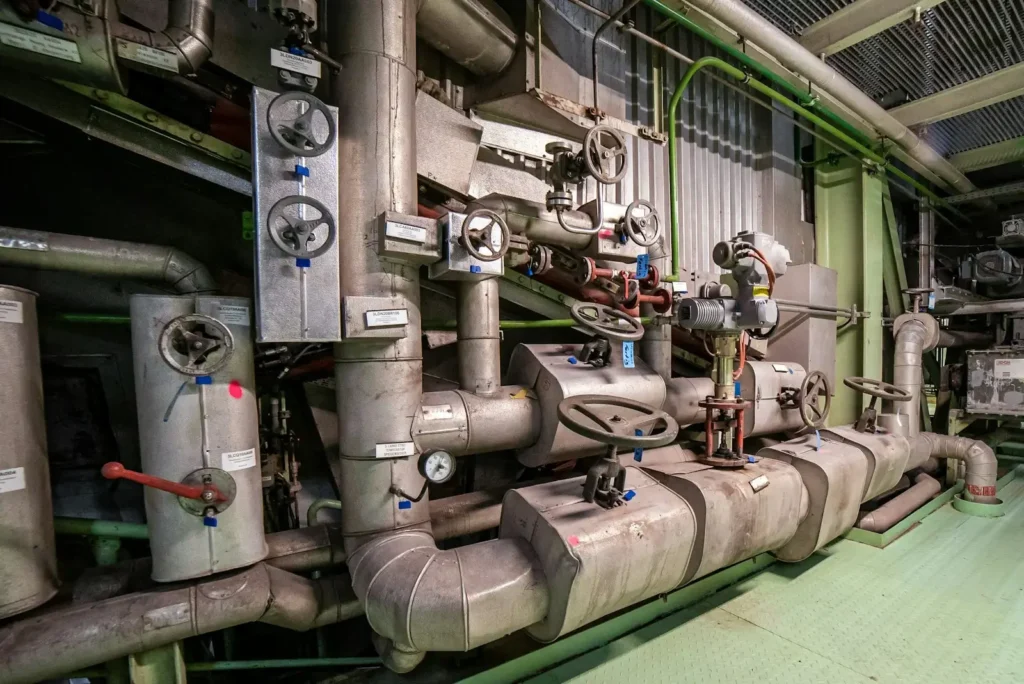
In buildings, fluorescent dye can be introduced into sinks, drains, roofs, showers, tanks, or pipe networks to identify hidden water escape points. This is useful when moisture damage appears but the source is unclear.
Common examples include:
-
Roof leak tracing
-
Bathroom and shower pan testing
-
Basement seepage diagnosis
-
Drainage path verification
-
Condensation source tracking
Because the dye follows water naturally, it can reveal whether a leak is active, intermittent, or related to pressure changes.
HVAC and cooling systems
In heating, ventilation, and air conditioning systems, water-based loops and condensate lines may leak in locations that are difficult to access. Fluorescent tracing can help technicians locate failed seals, cracks, or overflow points without major disassembly.
Water treatment and industrial processes
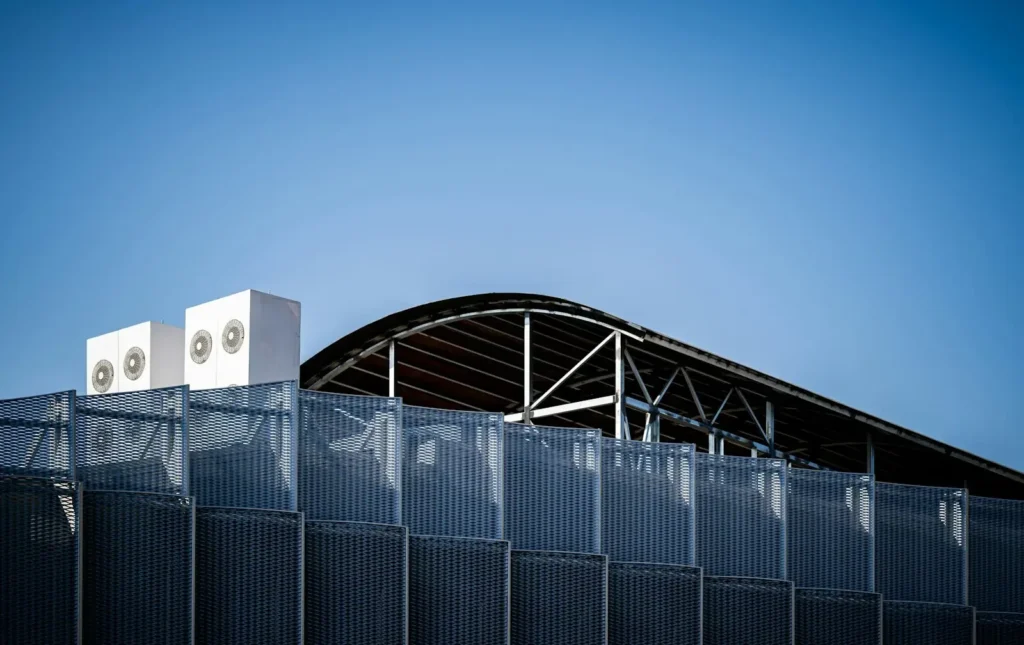
In treatment plants and industrial water circuits, UV Dye for Water can support circulation studies, basin testing, and system performance checks. It may also help verify mixing patterns, retention time, or dead zones in tanks and channels.
Environmental and field investigations
Environmental professionals use tracers to study stormwater movement, groundwater pathways, drainage connections, and surface runoff behavior. In these cases, the dye helps determine where water enters, travels, and emerges, which is useful for compliance, remediation, and site assessment.
What Are the Advantages of Using UV Dye for Water?
UV Dye for Water is popular because it is easy to use, highly visible under UV light, relatively low cost, and suitable for many diagnostic applications.
Compared with destructive inspection methods, it offers a practical balance of speed and precision. Many users choose it because they can complete testing with limited equipment and without shutting down an entire system.
Main benefits
-
Fast diagnosis: Helps locate issues quickly.
-
Non-invasive testing: Reduces the need to cut, open, or dismantle equipment.
-
Low operational disruption: Systems can often remain in place during testing.
-
Clear visual confirmation: UV fluorescence makes traces easy to see.
-
Versatility: Can be used in residential, commercial, industrial, and environmental settings.
A strong advantage is that the tracer can often be used as part of routine maintenance, not just emergency troubleshooting. That makes it useful for prevention as well as repair.
How Do You Choose the Right UV Dye for Water?
The right UV Dye for Water depends on the system being tested, the required visibility, the type of water involved, and whether the dye must be colorless in normal conditions.
Choosing carefully matters because not every fluorescent tracer is suitable for every application. Some are optimized for clean water, while others are designed for treatment systems, industrial circulation, or environmental field work. The wrong formulation can reduce visibility, interfere with equipment, or create unnecessary cleanup.
Selection criteria
Consider the following points before choosing a product:
-
Application type
Determine whether you need leak detection, flow tracing, system testing, or environmental monitoring. -
Water compatibility
Confirm whether the dye is suitable for potable, industrial, wastewater, or treated water. -
Visibility needs
Decide whether you need a brightly visible dye or a water-soluble, low-visibility tracer. -
Detection equipment
Match the dye to your UV lamp wavelength and inspection environment. -
Regulatory requirements
Check any restrictions for use in sensitive systems or regulated environments.
Practical comparison
|
Need
|
Best choice
|
Why
|
|---|---|---|
|
Hidden leak tracing
|
Bright fluorescent tracer
|
Easy to detect on surfaces
|
|
Clean system testing
|
Colorless UV tracer
|
Less visual impact during operation
|
|
Water treatment diagnostics
|
Specialized tracer dye
|
Better system compatibility
|
|
Field/environmental studies
|
High-sensitivity tracer
|
Helps in low-concentration detection
|
If your goal is precise tracing with minimal visual interference, a product such as UV Dye may be more appropriate than a strongly colored option.
How Is UV Dye for Water Applied Correctly?
UV Dye for Water should be applied in measured amounts, mixed thoroughly, and observed under the correct UV light to ensure accurate results.
A disciplined application process is important because poor dosing or poor observation can create false negatives or misleading traces. The exact procedure varies by use case, but the following general steps are common.
Typical application steps
-
Identify the suspected leak or flow path.
-
Prepare the water system or test area.
-
Add the dye in a controlled amount.
-
Allow time for mixing or circulation.
-
Inspect the target areas under UV light.
-
Document the findings.
-
Flush or clean the system if required.
For large systems, it is often useful to test one zone at a time so the trace remains easy to interpret. In systems with multiple drains, tanks, or interconnected pipes, a phased approach avoids confusion.
Safety and handling tips
Although many fluorescent tracers are designed for professional use, good handling practice is always important:
-
Wear gloves and eye protection.
-
Follow the product instructions carefully.
-
Avoid over-concentration.
-
Keep UV exposure limited and controlled.
-
Confirm disposal or flushing procedures before testing.
What Problems Can UV Dye for Water Help Solve?
UV Dye for Water helps solve problems that are hard to diagnose visually, including hidden leaks, unknown drainage routes, cross-connections, and inefficient circulation.
It is especially useful when maintenance teams need evidence before making repairs. Instead of relying on assumptions, the dye provides a visible indicator that can support a more confident diagnosis.
Common troubleshooting scenarios
|
Problem
|
How dye helps
|
Typical outcome
|
|---|---|---|
|
Roof or wall leakage
|
Shows the path water follows
|
Identifies entry point
|
|
Drain connection issues
|
Reveals where water exits
|
Confirms blocked or misrouted flow
|
|
Tank seepage
|
Highlights cracks or seams
|
Locates failure zone
|
|
Cooling loop leaks
|
Detects small escapes
|
Improves maintenance response
|
|
Stormwater movement
|
Traces surface runoff
|
Supports site assessment
|
In each case, the dye turns an invisible process into something observable, which is the core reason it is so widely used.
Why Is UV Dye for Water Important in Modern Maintenance?
UV Dye for Water is important because modern maintenance depends on fast diagnosis, reduced downtime, and efficient use of inspection resources.
As facilities become more complex, hidden water problems become more expensive to track down. Traditional trial-and-error methods often waste time and may still fail to locate the source. Fluorescent tracing offers a practical alternative that supports preventive maintenance, improves response time, and reduces guesswork.
It also fits well into a broader condition-monitoring strategy. When used alongside pressure testing, camera inspection, moisture mapping, and flow analysis, the dye adds a clear visual layer that makes decision-making easier.
Choosing the Right Tracer for Reliable Results
The best results come from selecting a tracer that matches the water type, system conditions, and inspection goal. For water treatment, industrial circulation, and leak detection, product formulation matters just as much as UV brightness.
If you need a tracer for professional water diagnosis, look for consistent fluorescence, good solubility, and strong visibility under appropriate UV light. In many cases, the most effective solution is one that is easy to dose, easy to detect, and compatible with the system under test.
FAQ
Is UV dye safe to use in all water systems?
Not always. Safety depends on the dye formulation, system type, and intended use. Always review product instructions and confirm compatibility before use.
Can UV dye detect very small leaks?
Yes, in many cases. A high-quality fluorescent tracer can reveal small seepage points, but detection depends on concentration, lighting, and surface conditions.
Do I need special equipment to see UV dye in water?
Usually, yes. A UV lamp matched to the dye’s fluorescence range is typically required for clear detection, especially in bright environments or over long distances.