Swimming pool leaks can waste water, increase chemical costs, and make routine maintenance far more difficult. For pool owners, technicians, and facility managers, identifying a leak quickly is essential to protecting equipment, reducing operating costs, and preventing long-term structural damage.
The right leak detection dye helps you pinpoint water movement with precision, but the best product for one situation may not be ideal for another. Factors such as water clarity, leak location, application method, and tracer visibility all influence performance.
This guide explains how to evaluate dye options, compare key features, and select the most effective solution for your pool inspection workflow.
What Is Swimming Pool Leak Detection Dye and How Does It Work?
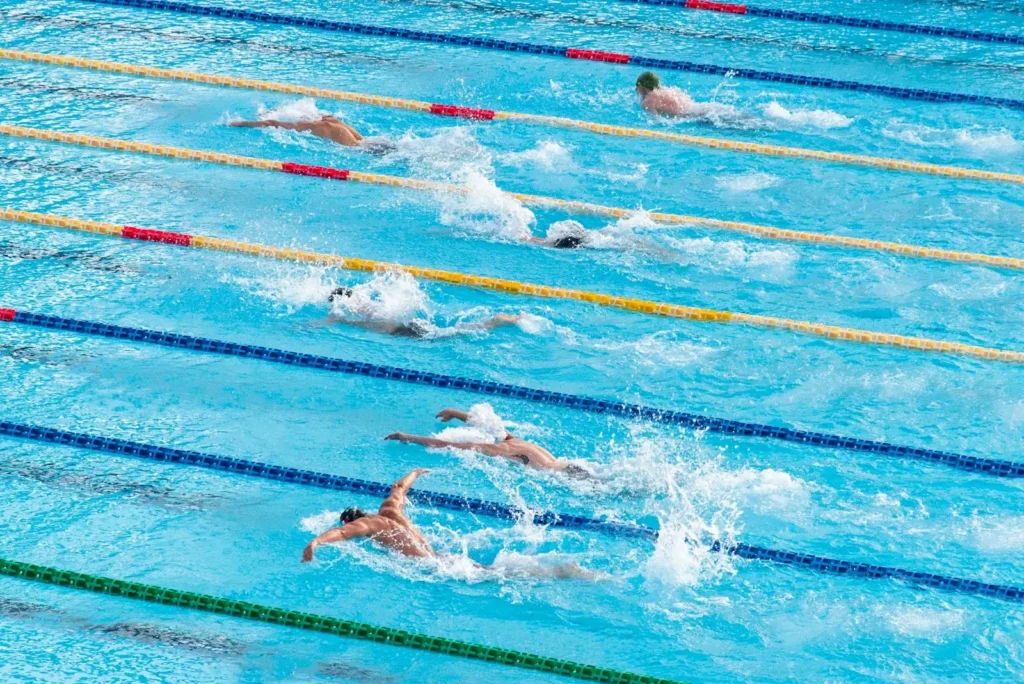
Swimming pool leak detection dye is a concentrated tracer used to reveal water flow near cracks, fittings, seams, and other suspected leak points. When released close to a leak, the dye is pulled toward the escape path, making the source easier to identify visually.
In practical use, the dye creates a temporary colored stream in water. Technicians apply it slowly and close to areas such as skimmers, return jets, lights, drains, steps, and tile lines. If water is escaping, the tracer will visibly move in the direction of the leak rather than dispersing evenly.
Why dye works so well for pool leak detection
Dye is popular because it is:
-
Fast to deploy
-
Easy to interpret
-
Non-invasive
-
Useful for both residential and commercial pools
-
Effective for confirming suspected leak points before more advanced testing
When paired with proper inspection technique, a tracer such as Swimming Pool Leak Detection Dye can help reduce guesswork and improve diagnostic accuracy.
Which Features Matter Most When Choosing a Pool Leak Detection Dye?
The best dye is the one that matches your inspection environment, visibility needs, and workflow. A strong product should offer clear contrast, controlled movement, and consistent results in real pool conditions.
Start by assessing the pool type, water clarity, lighting, and the kinds of leaks you inspect most often. A dye that performs well in still, clear water may not be the best choice for outdoor pools, heavily circulated systems, or colored surfaces.
Visibility and contrast
The most important feature is how easily the dye can be seen in water. High-contrast tracers are especially useful in:
-
Bright outdoor environments
-
Deep pools
-
Tinted or dark pool finishes
-
Areas with shadowing or reflections
A good leak detection tracer should remain visible long enough to observe water movement without creating unnecessary clouding.
Flow behavior
Not all tracers move the same way. Some disperse too quickly, making it hard to determine whether the water movement is leak-related or simply caused by circulation. A more controlled dye plume helps technicians trace the direction of water loss with greater confidence.
Compatibility with inspection tools
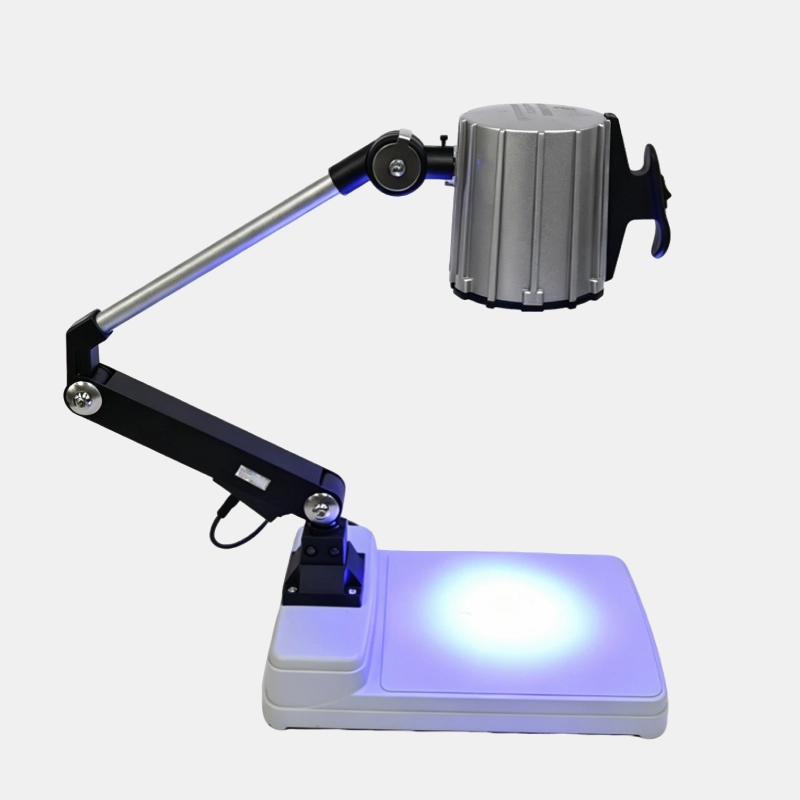
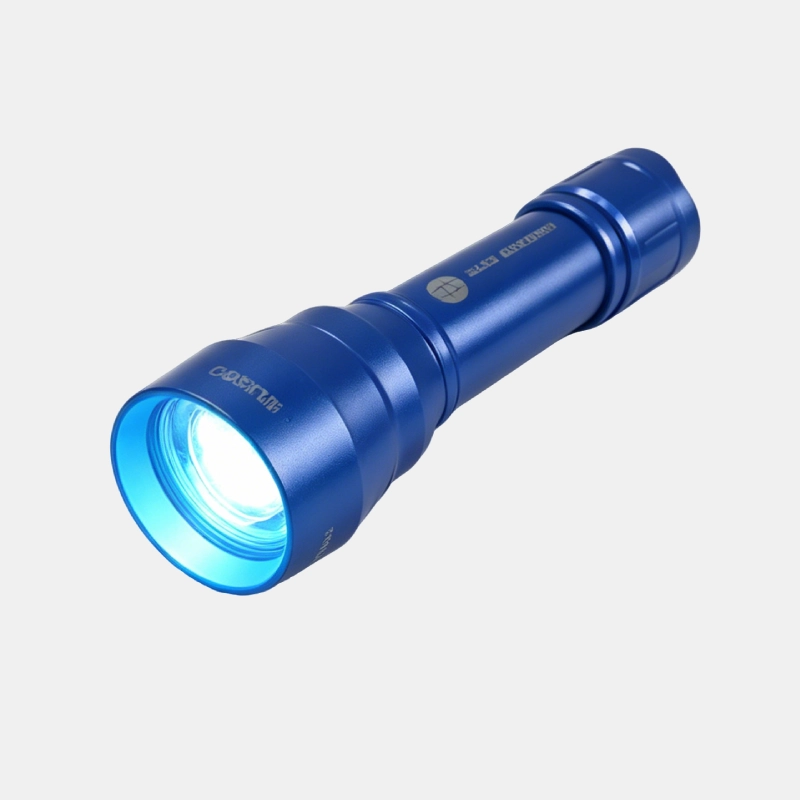
If your workflow includes UV lamps, goggles, or specialized detection procedures, consider whether a tracer is designed for that system. In some cases, a UV Dye may be useful when fluorescent visibility is preferred or when inspections require enhanced trace detection under UV illumination.
Safety and material compatibility
Pool environments involve pumps, filters, liners, sealants, grout, and equipment components. Choose a dye that is intended for aquatic use and compatible with common pool materials. This reduces the risk of staining, residue buildup, or interference with normal water treatment.
How Do You Match Dye Type to the Leak Location?
Different leak locations call for different observation strategies. A versatile dye may work across many applications, but selecting the right type can improve accuracy and reduce wasted time.
|
Leak Location
|
What to Look For in the Dye
|
Why It Matters
|
|---|---|---|
|
Skimmer throat
|
Strong visibility and controlled flow
|
Small cracks or gaps can be difficult to see
|
|
Return fitting
|
Quick response and directional movement
|
Helps confirm whether water is escaping from around the fitting
|
|
Pool light niche
|
Good contrast in low-light spaces
|
Visibility is often reduced in recessed areas
|
|
Main drain
|
Stability in moving water
|
Circulation can interfere with interpretation
|
|
Tile line
|
Dense plume and clear tracking
|
Surface reflections can mask weak movement
|
|
Steps and benches
|
Precise application control
|
Curved surfaces can make leaks harder to isolate
|
For many technicians, the ideal product is one that can be applied precisely and observed immediately. In complex inspections, specialized tracer options may be more effective than general-purpose colored water.
What Water Conditions Should You Consider Before Buying?
Pool conditions have a major influence on dye performance. Water chemistry, circulation, temperature, and clarity all affect how well the tracer behaves and how easily you can interpret results.
Water clarity
Clear water makes dye tracing much easier. However, pools are not always pristine. Fine particles, algae, or suspended debris can obscure the flow path. In those situations, a more visible tracer or a UV-enhanced product may be more practical.
Circulation and movement
Strong circulation can pull dye away from the suspected leak before you can observe it. If the pool pump is running, verify whether the tracer is reacting to flow from the system or to an actual leak. In some cases, technicians turn equipment off temporarily to isolate water movement more accurately.
Temperature and sunlight
Warm water and direct sunlight can change how the dye appears. Outdoor pools often require higher visibility because reflections and glare reduce contrast. Indoor inspections may benefit from more stable lighting conditions, but hidden corners and recessed fittings can still make detection challenging.
Chemical balance
Extremely imbalanced water may affect overall inspection conditions. While the dye itself is not the primary concern, poor water quality can create cloudiness or residues that reduce diagnostic clarity. As recommended by the U.S. Environmental Protection Agency, maintaining good water management practices supports both safety and system performance.
Should You Choose Colored Dye or Fluorescent Tracer Dye?
The answer depends on your inspection method and environment. Colored dye is often the simplest choice for direct visual inspection, while fluorescent tracers are useful when you want enhanced visibility under UV light.
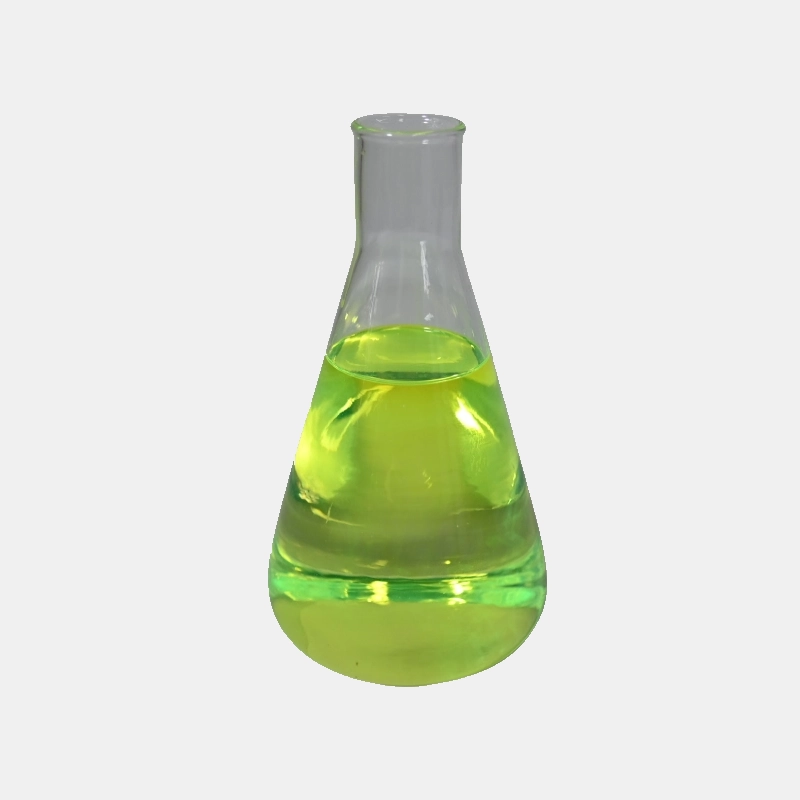
Colored dye
Colored tracers are straightforward, easy to apply, and effective when the leak location is close to the observation point. They are a strong option for routine inspections, especially when you need fast confirmation.
Best for:
-
Quick field checks
-
Clear water
-
Visible leak points
-
Standard maintenance routines
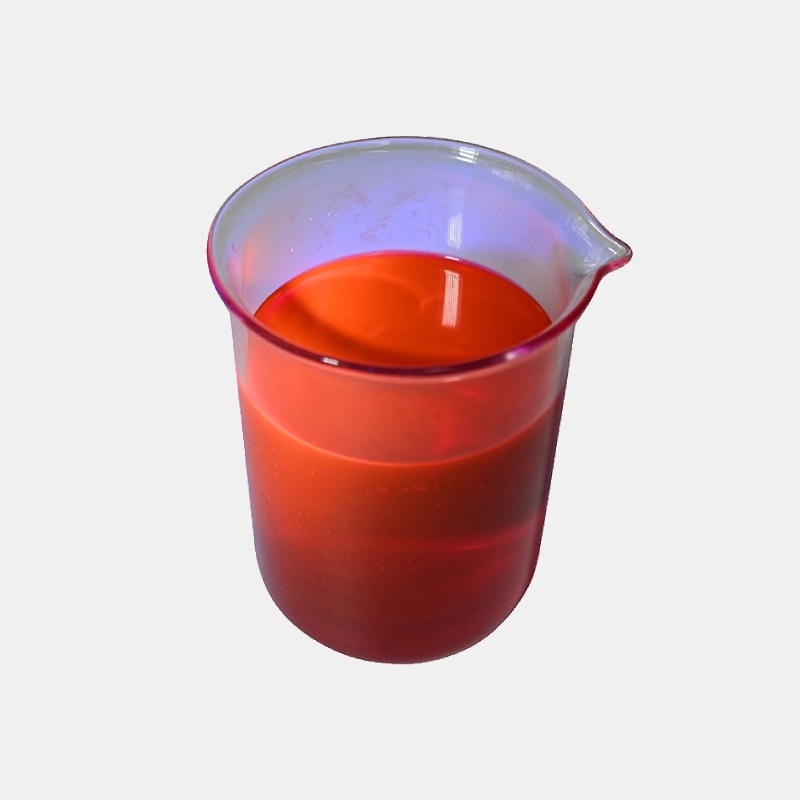
Fluorescent tracer dye
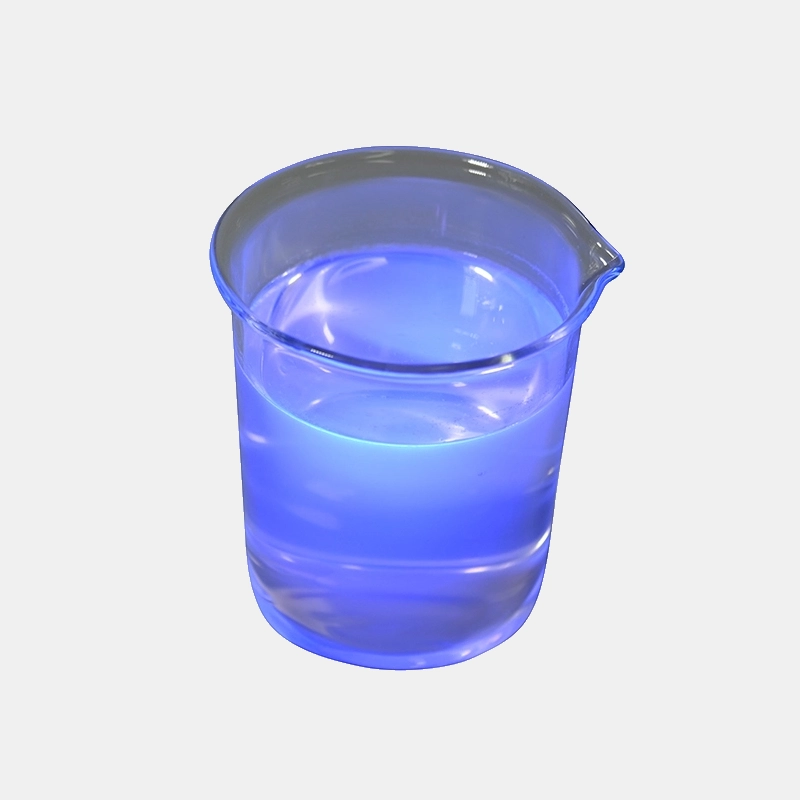
Fluorescent tracers become especially useful when the leak area is hard to see or when ambient conditions reduce contrast. Under UV illumination, the tracer can stand out more clearly against water and surface materials.
Best for:
-
Low-light inspections
-
Complex leak paths
-
Recessed fittings
-
Professional diagnostic workflows
If your team uses UV-based diagnostics, a product like UV Dye can provide a strong advantage in detecting subtle movement and improving visual confirmation.
Choosing between the two
A simple way to decide is to ask:
-
Do I need a dye I can see immediately with the naked eye?
-
Am I inspecting difficult-to-access or low-visibility areas?
-
Is UV-assisted detection part of my workflow?
-
Do I need faster field confirmation or deeper diagnostic detail?
If most of your answers point to everyday visual checks, colored dye may be enough. If your inspections demand higher sensitivity, fluorescent tracer options are often better.
How Should You Apply Leak Detection Dye for Best Results?
Even the best dye will not perform well without proper application. Technique matters as much as product selection.
The key is to introduce the dye slowly and as close as possible to the suspected leak point. A sudden squeeze or large release can create turbulence and give misleading results.
Best-practice application steps
-
Turn off pumps or reduce circulation when appropriate.
-
Approach the suspected area calmly and avoid disturbing the water.
-
Release a small amount of dye near the fitting, seam, or crack.
-
Watch for movement toward a specific opening or gap.
-
Repeat the test from multiple angles if needed.
-
Confirm the finding with secondary inspection methods when necessary.
Common mistakes to avoid
-
Using too much dye at once
-
Testing in strong current without accounting for circulation
-
Holding the applicator too far from the suspected leak
-
Interpreting random drift as leak activity
-
Testing before the water has settled
For best accuracy, inspect one area at a time and document the results. This approach is especially important in larger facilities where multiple problem areas may exist.
How Do Professional Users Evaluate Product Quality?
Professionals usually judge dye quality by consistency, ease of use, and reliability in field conditions. A good tracer should help you diagnose leaks faster, not introduce uncertainty.
|
Evaluation Criterion
|
What Good Performance Looks Like
|
|---|---|
|
Visibility
|
Clear plume or strong fluorescence in water
|
|
Precision
|
Easy to place exactly where needed
|
|
Stability
|
Does not disperse too quickly
|
|
Ease of use
|
Simple application with minimal cleanup
|
|
Compatibility
|
Works with typical pool surfaces and equipment
|
|
Consistency
|
Produces repeatable results across inspections
|
If a tracer performs well only in ideal conditions, it may not be dependable for real-world service work. For B2B buyers, consistency often matters more than a single dramatic test result.
How Can You Build a Better Leak Detection Workflow?
The most effective teams treat dye testing as part of a structured inspection process. That means using the right tracer, the right technique, and the right follow-up steps.
A practical workflow for technicians
-
Start with a visual inspection of all likely leak points
-
Test the most common failure areas first
-
Use colored dye for direct checks and fluorescent tracer for harder-to-read areas
-
Record which fittings or surfaces react to the dye
-
Confirm findings with pressure testing, dye rechecks, or equipment inspection when necessary
This workflow improves accuracy and helps reduce repeat visits. It also supports better communication with clients because the inspection results are easier to explain and document.
Final Thoughts
Choosing the right swimming pool leak detection dye comes down to visibility, application control, water conditions, and the type of leak you need to isolate. Colored tracers are often ideal for simple, fast visual checks, while fluorescent options are valuable when you need enhanced sensitivity or UV-based inspection support.
For professional results, select a dye that matches your pool environment and your diagnostic workflow. The right choice can save time, reduce uncertainty, and improve leak detection accuracy across both routine maintenance and more complex service jobs.
FAQ
1. How much dye should I use for a pool leak test?
Use only a small amount at a time. A concentrated release near the suspected leak point is more effective than adding too much dye, which can obscure the water movement you are trying to observe.
2. Can leak detection dye be used in saltwater pools?
Yes, many tracers can be used in saltwater pools, but you should always confirm compatibility with the product specifications and the pool’s materials before testing.
3. Is UV illumination necessary for pool leak detection dye?
Not always. Standard colored dye works well for many inspections, but UV illumination can improve visibility in low-light or hard-to-see areas and may be preferred for professional diagnostic workflows.