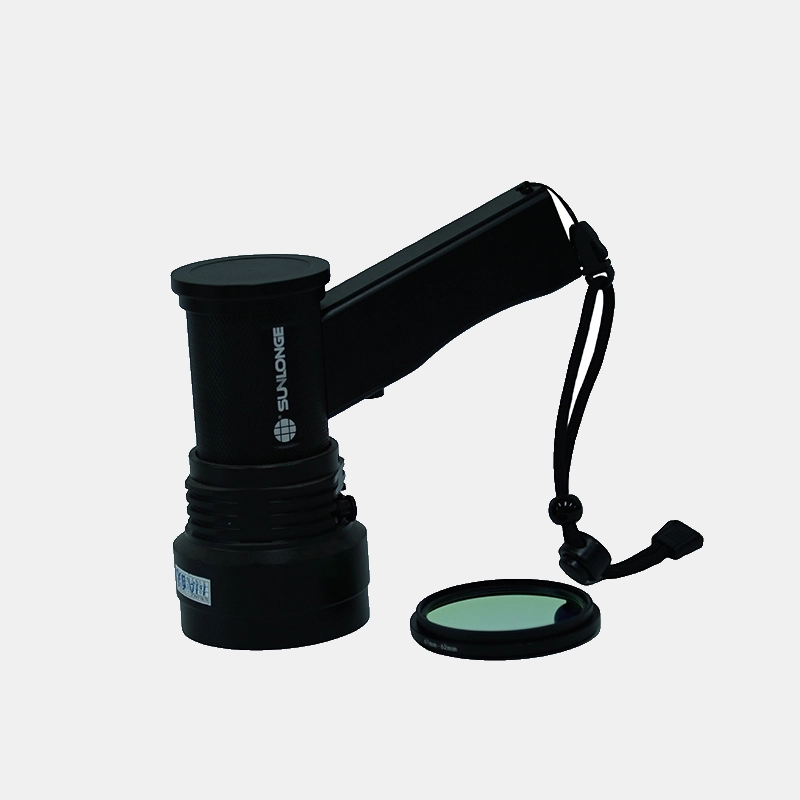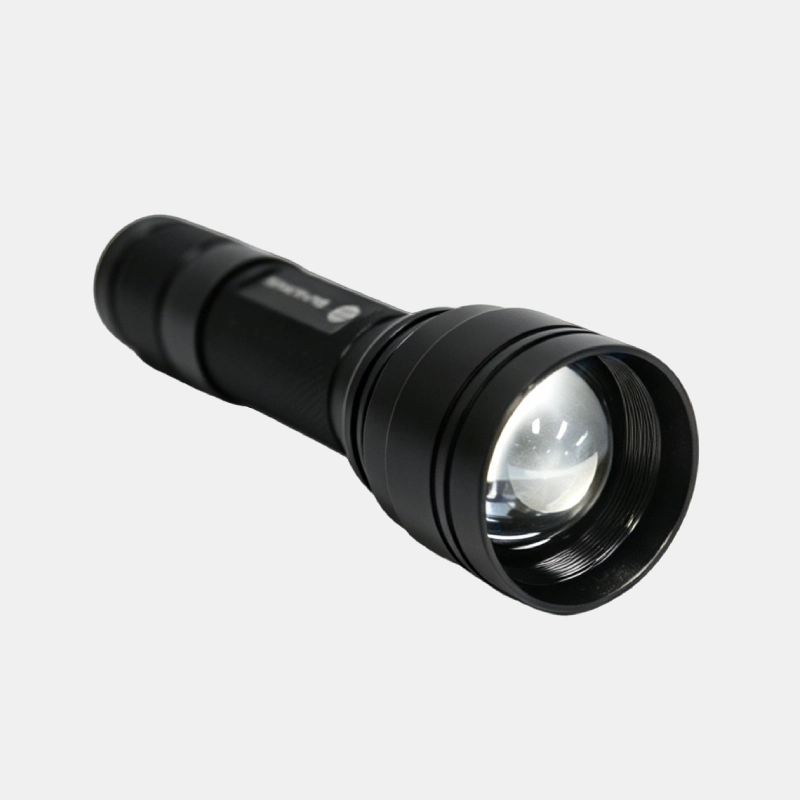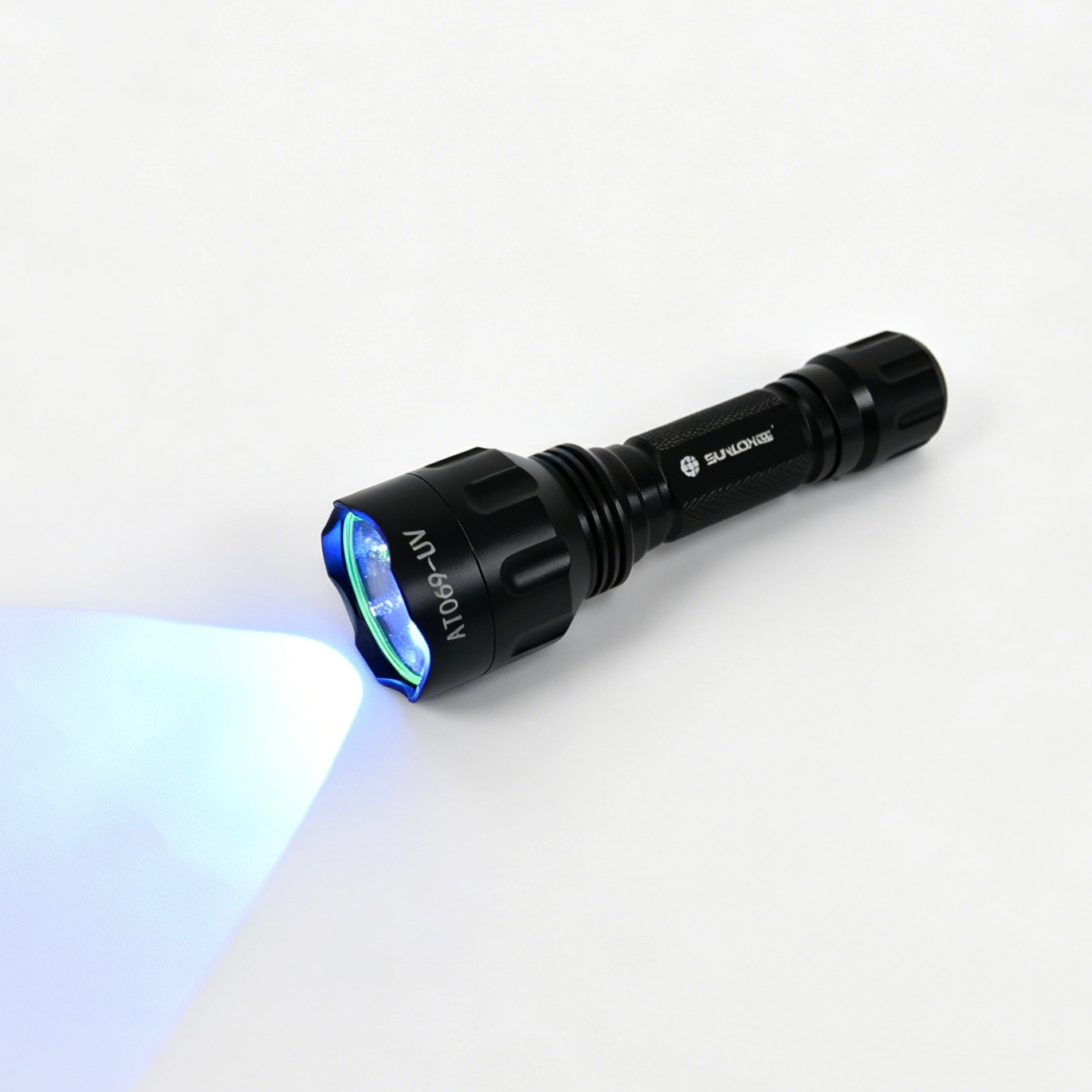
Leaks in air conditioning and refrigeration systems are costly, disruptive and often difficult to find. Accurate, fast leak detection methods compatible with the system’s oil and refrigerant type are demanded by modern HVAC/R systems, especially those using high-pressure and low-GWP refrigerants.Dye-based leak detection is still one of the most practical field tools when used correctly.
The right Refrigerant Leak Detector Dye depends on refrigerant compatibility, oil compatibility, system pressure, visibility under the inspection method you use, and the working environment. For R410A, R32, and R134a systems, the ideal dye must circulate reliably with the lubricant, remain stable at operating temperatures, and fluoresce clearly without harming components or complicating maintenance.
This guide explains how to choose the right dye, how to check for compatibility, and how to use it successfully in actual HVAC/R service work.
Why is refrigerant leak detector dye still widely used in HVACR service?
Refrigerant leak detector dye remains a popular choice due to its low cost, ease of use, and effectiveness in locating intermittent, slow, or hard-to-find leaks that electronic tools cannot locate on their own.
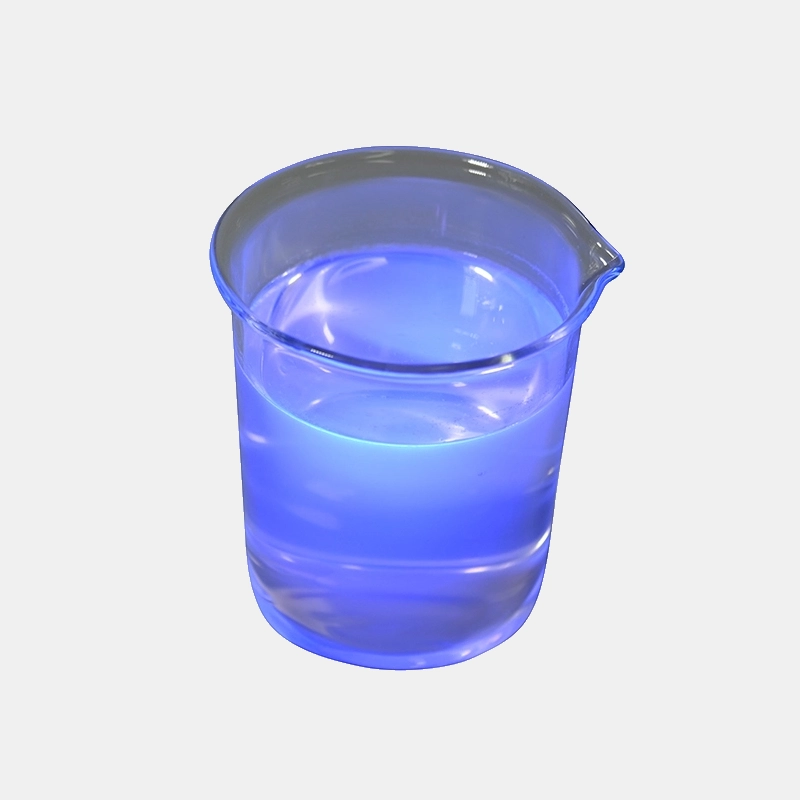
The dye is still useful, however, because it offers a visual confirmation of leak points in an age of fancy electronic sniffers, ultraviolet inspection, and pressure-based diagnostics. It is especially useful when:
-
leaks appear only under pressure or temperature changes,
-
equipment is installed in hard-to-access locations,
-
technicians need a persistent indicator that remains in the system,
-
multiple service visits are required and the leak may not reproduce on demand.
One big plus is persistence. When the dye is added to the refrigerant oil, it may continue to indicate leak sites for days or weeks, depending on system operation. This makes it useful for preventive maintenance, for recurring leak investigations, and for post repair verification.
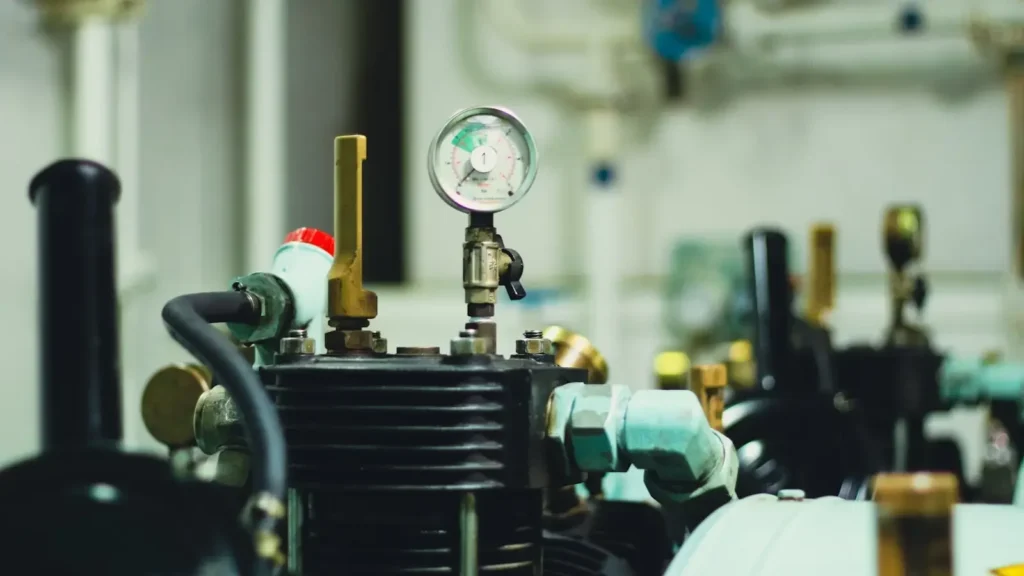
Dye can help reduce diagnostic time for teams managing large equipment portfolios, and the chance of having to make multiple trips to a site without the source. Used with the right inspection method, it is one of the most practical leak detection options available.
If you are evaluating leak detection solutions for ongoing maintenance programs, dye should be considered a core field tool rather than a backup method.
What makes a refrigerant leak detector dye suitable for R410A, R32, and R134a?
The dye must be chemically compatible with the refrigerant oil, stable under the system’s operating conditions and visible enough to locate the leaks without leaving harmful residue or causing service problems.
The requirements of the dye will differ with the refrigerant. The dye itself does not normally mix directly with the refrigerant gas, but it must flow freely in the oil and be effective throughout the pressure and temperature range of the system. This is why the choice of a dye is not only a question of brightness but also of compatibility, reliability and service safety.
Core compatibility factors
| Factor | Factor | Factor |
|---|---|---|
| Refrigerant compatibility | Refrigerant compatibility | Refrigerant compatibility |
| Prevents circulation issues and inaccurate readings | Prevents circulation issues and inaccurate readings | Prevents circulation issues and inaccurate readings |
| Approved use with R410A, R32, or R134a | Approved use with R410A, R32, or R134a | Approved use with R410A, R32, or R134a |
| Oil compatibility | Oil compatibility | Oil compatibility |
| Ensures the dye moves through the system properly | Ensures the dye moves through the system properly | Ensures the dye moves through the system properly |
| Works with POE, PAG, or other specified lubricants | Works with POE, PAG, or other specified lubricants | Works with POE, PAG, or other specified lubricants |
Refrigerant-specific considerations
R410A systems
R410A systems typically run at higher pressures than many older systems. This means the dye has to withstand more extreme conditions without breaking down. These systems often operate on POE oil, so the dye must be compatible with ester-based lubricants, and be able to flow easily through high-pressure components.
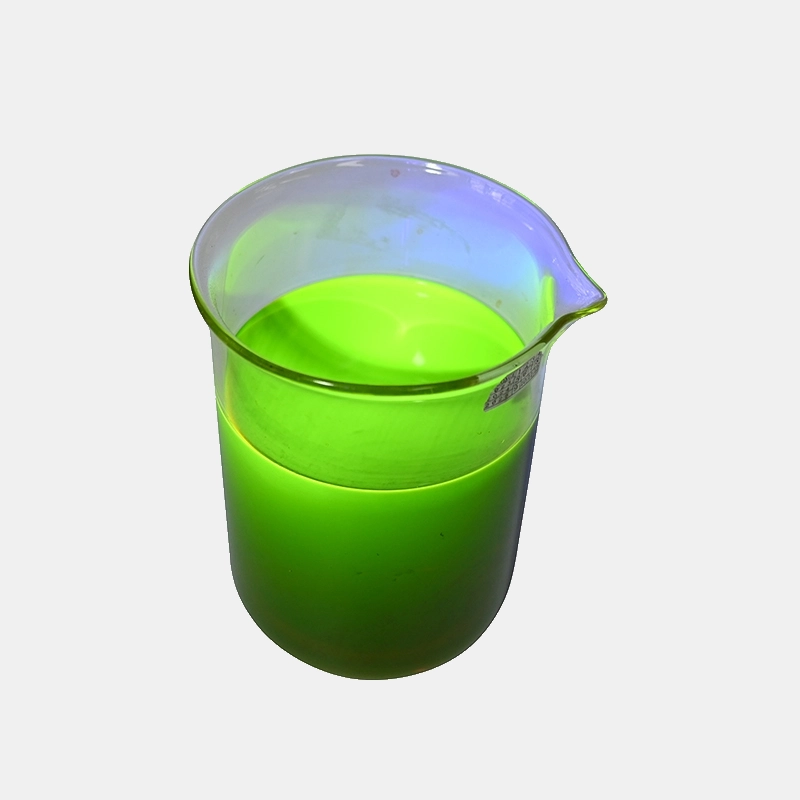
R32 systems
R32 is used extensively in new equipment and has become an integral part of low-GWP system designs. These systems are often designed for optimum efficiency and safety, so any dye used needs to be particularly clean running, stable and compatible with modern lubricants. Technicians should not use dyes that leave too much residue or interfere with sensitive components.
R134a systems
R134a is a common refrigerant used in stationary HVAC, automotive and light commercial applications. Fittings, service ports, seals, or evaporator coils may be prone to leaking. They lend themselves well to dye-based inspection. The dye should still be selected based on the specific lubricant and application, not just the name of the refrigerant.
What professionals should look for on product documentation
Before purchasing or using a dye, confirm these details on the technical data sheet:
-
compatible refrigerants,
-
approved oil types,
-
recommended dosage,
-
operating temperature range,
-
safe use in system type,
-
inspection method required,
-
residual cleanup expectations.
A dye that lacks clear documentation may create more risk than value. For B2B maintenance teams, technical transparency matters because it affects warranty decisions, service quality, and long-term system health.

How do R410A, R32, and R134a differ when choosing leak detection dye?
The major differences are pressure level, type of lubricant, equipment design and the sensitivity of the system to contamination or residue.
While the same general type of dye may work for several refrigerants, each system type has different operating conditions. Knowing the differences helps prevent mismatched products and increases the likelihood of a successful leak detection.
R410A: high-pressure systems demand stability
R410A systems are known for high operating pressure and strong performance in residential and light commercial air conditioning. A dye used here must be:
-
stable under pressure,
-
fully compatible with POE oil,
-
able to travel through narrow passages,
-
visible enough to detect small leaks in condensers, coils, and connections.
Because these systems are often installed in tight mechanical spaces, leaks may develop slowly and remain hidden. A fluorescent dye can help reveal oil trails at brazed joints, flare connections, and coil surfaces.
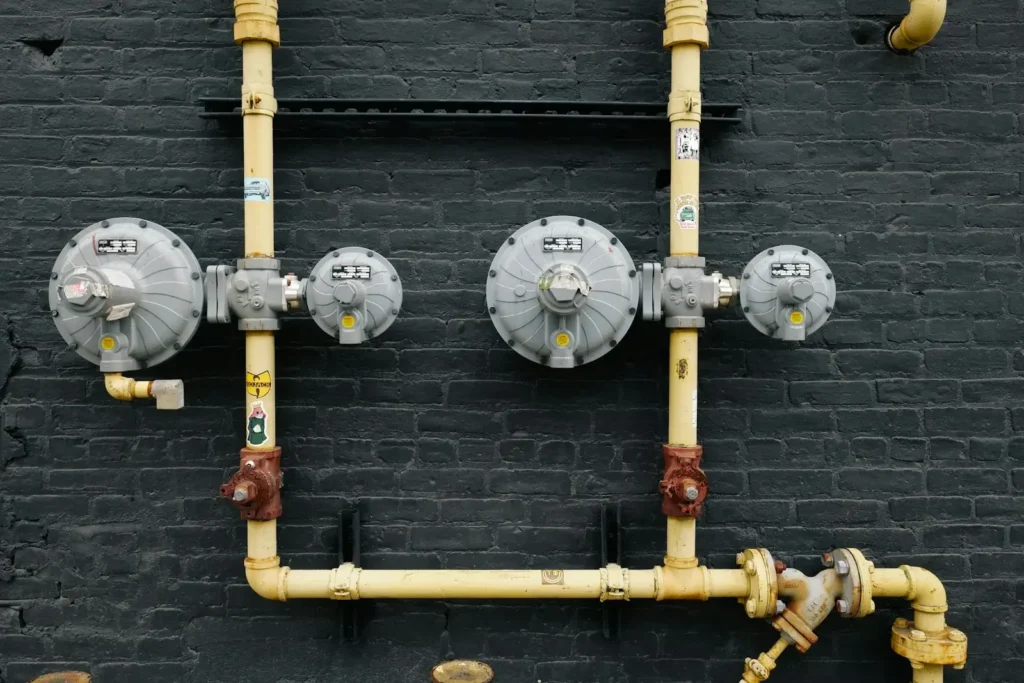
R32: modern systems require cleaner inspection methods
R32 is increasingly common in efficient and environmentally conscious designs. It is flammable under certain conditions, so service practices must always follow manufacturer instructions and safety standards. In this environment, leak detection methods should be carefully selected for low contamination and high reliability.
For R32 systems, look for dye with:
-
low residue,
-
clean circulation,
-
verified compatibility with the lubricant,
-
clear visibility under UV inspection.
Technicians should also ensure the inspection process does not introduce unnecessary complexity during routine servicing.
R134a: broad application, broad service use
R134a is widely used across stationary and mobile cooling systems. Because it appears in many equipment categories, the ideal dye may vary more depending on whether the system is automotive, commercial refrigeration, or HVAC.
In R134a applications, the dye should support:
-
long circulation times,
-
effective pinpointing of small leaks,
-
compatibility with the system lubricant,
-
clear identification around common failure points such as seals and service ports.
Comparison table
| Refrigerant | Refrigerant | Refrigerant | Refrigerant |
|---|---|---|---|
| R410A | R410A | R410A | R410A |
| Residential and light commercial HVAC | Residential and light commercial HVAC | Residential and light commercial HVAC | Residential and light commercial HVAC |
| Pressure stability and POE compatibility | Pressure stability and POE compatibility | Pressure stability and POE compatibility | Pressure stability and POE compatibility |
The practical takeaway is simple: choose the dye based on the full system profile, not just the refrigerant label.
Which dye type is better: fluorescent dye, UV dye, or other leak tracing methods?
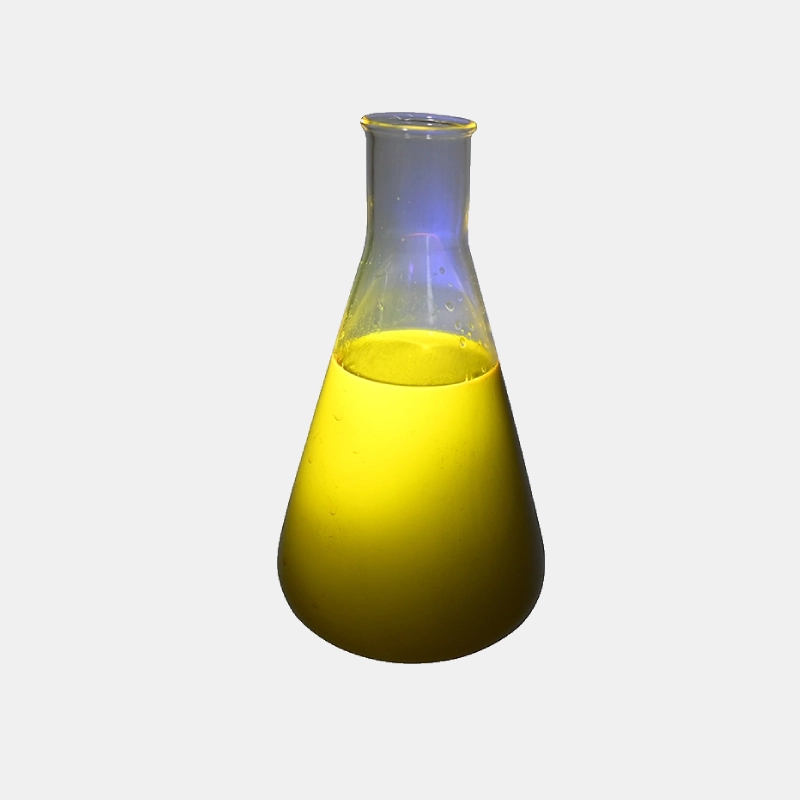
Fluorescent dye advantages
Fluorescent dye is preferred because it:
-
makes leaks visible even when oil discharge is minimal,
-
works well in dim mechanical spaces,
-
helps confirm the precise origin of the leak,
-
remains useful after the system has been operating for some time.
This makes it especially effective for slow leaks that electronic detectors may miss during a quick pass.
Electronic detection methods
Electronic leak detectors are practical aids, particularly for quick initial surveys. However, they may be affected by airflow, background contamination or inaccessible components. Dye is a good second stage diagnostic or confirmation tool.
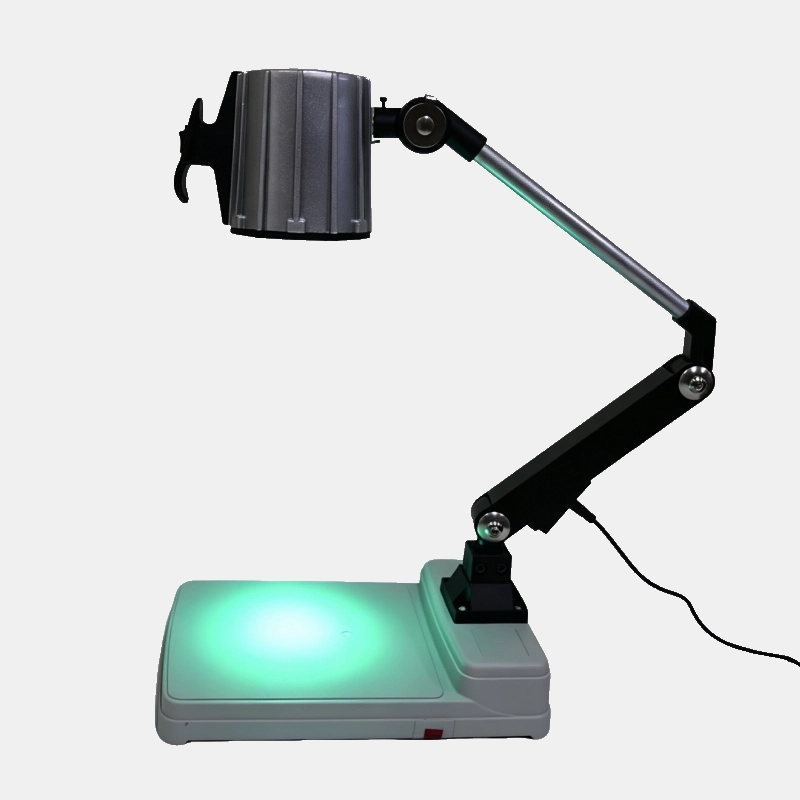
Pressure testing and nitrogen-based methods
Pressure testing can verify whether a system leaks, but it does not always identify the exact external location as clearly as dye does. It is often used before dye application or alongside other diagnostic procedures.
Best-use scenarios
| Method | Method | Method |
|---|---|---|
| Fluorescent dye | Locating persistent external leaks | Requires UV inspection |
| Electronic detector | Fast screening and verification | Can miss intermittent leaks |
| Pressure test | Confirming system integrity | Does not always identify exact point |
| Soap solution | Simple surface leak checks | Less effective on hidden areas |
For many service teams, the best approach is a combination of methods. Dye should not replace good diagnostic practice; it should strengthen it.
How do you choose the correct dye based on lubricant and system design?
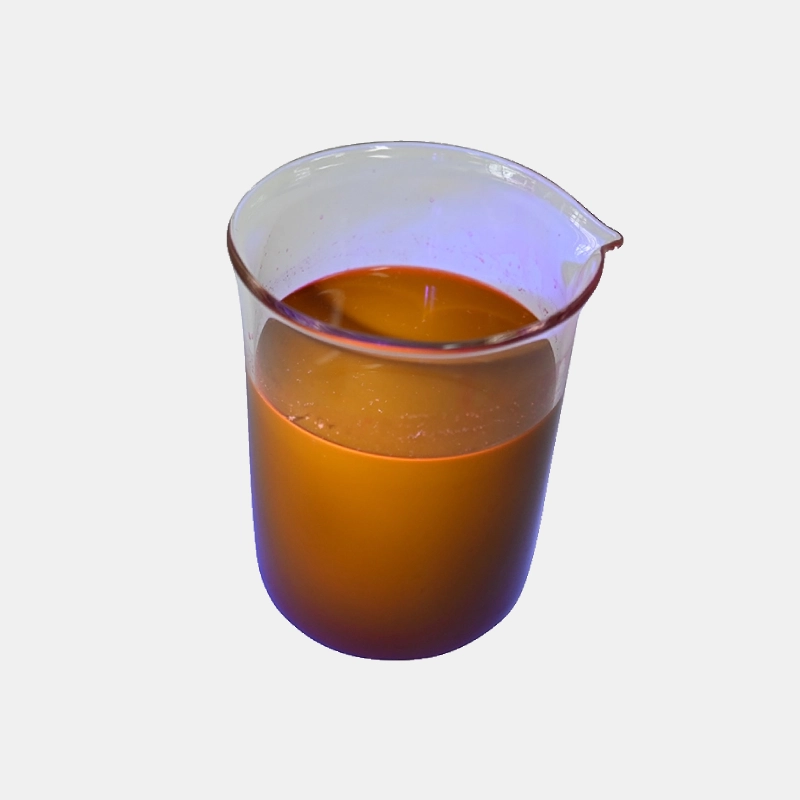
Common lubricant considerations
POE oil
POE oil is widely used in R410A and many R32 systems. Dyes for these systems should be designed to circulate well in ester-based lubricants and remain stable over time.
PAG oil
PAG oil is widely used in some automotive and mobile cooling applications and often with R134a. Here, compatibility with the dye is a must and the formulation must work reliably with the specific oil chemistry.
Mineral oil and alkylbenzene
These may appear in older or specialized systems. Always confirm the dye is approved for the exact lubricant in use rather than assuming broad compatibility.
System design also matters
Different components create different leak patterns and different visibility challenges:
-
Coils and heat exchangers: leaks may be tiny and spread over a surface area.
-
Service ports: leaks may appear as oil stains around fittings.
-
Valves and joints: leaks may form where vibration or thermal cycling is highest.
-
Compressor seals: leaks may be intermittent and difficult to locate.
The more complex the system, the more important it is to choose a dye that can circulate evenly and remain visible over time.
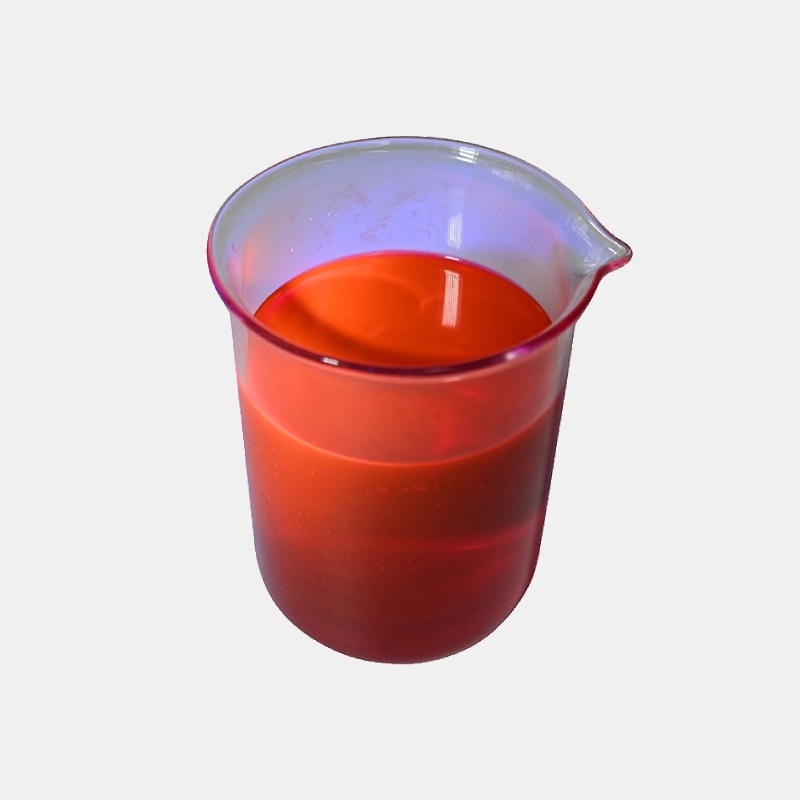
Practical selection checklist
Before using dye, ask these questions:
-
What refrigerant is in the system?
-
What oil does the system use?
-
Is the system high-pressure or low-pressure?
-
Is the leak likely external and visible, or hidden within a cabinet or enclosure?
-
Will UV inspection be practical in the service environment?
-
Does the product documentation clearly support this application?
If the answer to any of these is unclear, review the system manual or consult the equipment manufacturer before applying the dye.
What is the correct way to apply refrigerant leak detector dye?
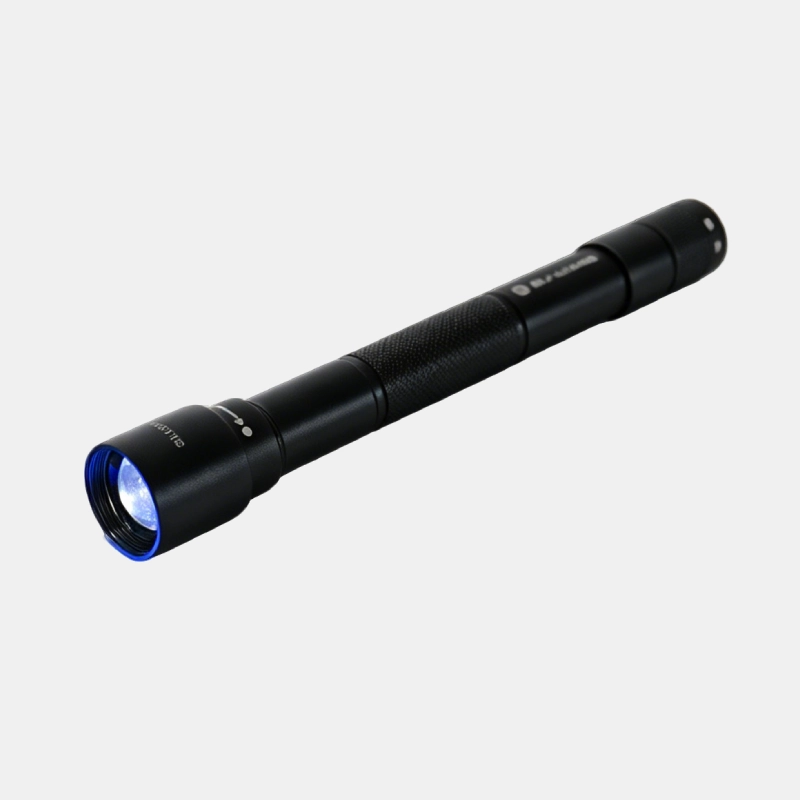
Correct application means using the right dose, introducing the dye at the proper point, allowing adequate circulation time, and inspecting the system carefully under UV light.
Applying too much dye can create residue and make future service messier. Applying too little can make the leak harder to find. Precision matters.
Step-by-step application process
-
Confirm system compatibility
Verify refrigerant, lubricant, and equipment type before injection. -
Use the recommended dosage
Follow the product’s technical instructions. More is not better. -
Inject at the proper service point
Introduce the dye where it can circulate through the system effectively. -
Run the system
Allow sufficient operating time for the dye to travel to the leak site. -
Inspect with UV light
Look for bright fluorescent traces, oil staining, or concentrated dye deposits. -
Document the leak location
Record findings for maintenance logs and future verification. -
Repair and recheck
After repair, confirm that the leak is resolved before returning the unit to normal operation.
Best practices for reliable results
-
keep lenses and UV tools clean,
-
inspect in low ambient light when possible,
-
mark all suspected leak points,
-
check both active leak areas and nearby surfaces where dye may spread,
-
avoid overfilling the system with dye.
Common mistakes to avoid
| Mistake | Mistake |
|---|---|
| Using the wrong lubricant-compatible dye | Poor circulation or inaccurate leak location |
| Overdosing | Excess residue and messy service conditions |
| Inspecting too soon | Dye may not have reached the leak |
| Ignoring manufacturer guidance | Risk of performance or warranty issues |
| Relying on dye alone | Missing pressure-related or intermittent issues |
A disciplined process produces better results than simply adding dye and hoping for visible evidence.
How should buyers evaluate product quality before purchasing at scale?
B2B buyers should evaluate dye quality by technical documentation, compatibility claims, consistency, packaging, and supplier support rather than price alone.
For distributors, service contractors, and facility maintenance teams, product selection affects labor efficiency and customer satisfaction. A low-cost product that performs inconsistently can cost more in repeat visits and troubleshooting time.
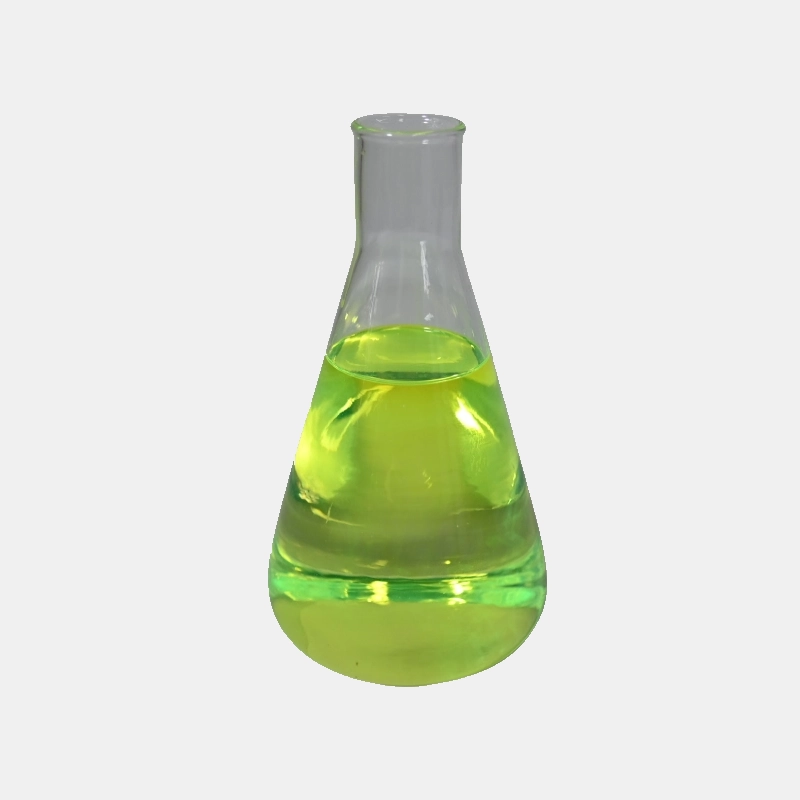
What to review on the product page or data sheet
-
detailed refrigerant compatibility,
-
lubricant compatibility,
-
dosage guidance,
-
storage stability,
-
fluorescence intensity,
-
clean-up and residue notes,
-
packaging size and dispensing convenience,
-
shelf life and transportation information.
Questions procurement teams should ask
-
Is the product suitable for the refrigerants we service most often?
-
Is it documented for the oils used in our target equipment?
-
Does the supplier provide technical guidance and support?
-
Can we order in volumes that match our service demand?
-
Is the product consistent across batches?
Why consistency matters in B2B operations
Technicians need predictable results. If one batch performs differently from another, troubleshooting becomes slower and less reliable. That is why industrial buyers often value supply stability, technical traceability, and clear labeling as much as they value performance.
For companies building long-term service programs, it is often helpful to work with a supplier that can support training, product selection, and application advice through a broader industrial UV detection range.
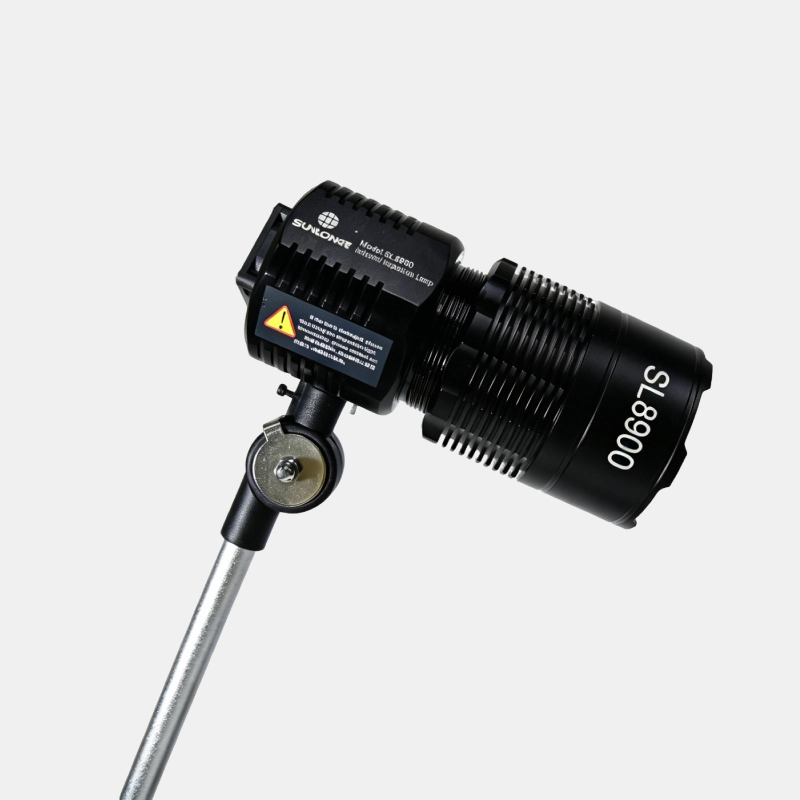
What are the environmental and safety considerations when using leak detection dye?
The dye should be used according to safety guidance, with attention to ventilation, personal protection, system cleanliness, and the refrigerant-specific service rules that apply to the equipment.
Leak detection work is not just about finding a leak; it is about doing so safely and in a way that respects the system design and the working environment.
Safety considerations
-
wear appropriate eye protection and gloves,
-
avoid direct contact with skin and surfaces,
-
prevent contamination of tools and work areas,
-
follow refrigerant handling regulations,
-
use adequate ventilation in enclosed spaces.
For detailed refrigerant handling and service safety guidance, technicians should consult recognized standards and official technical resources such as ASHRAE and the U.S. EPA refrigerant management guidance.
Environmental considerations
A good dye should support maintenance efficiency without creating unnecessary waste or contamination. This means choosing:
-
low-residue formulations,
-
accurate dosage products,
-
packaging that fits service demand,
-
products that do not interfere with recovery or repair work.
Special note on modern refrigerants
Because systems using R32 and other newer refrigerants may have different safety and compliance requirements, always ensure the dye and inspection procedure align with the equipment manufacturer’s instructions and the relevant local regulations.
How can HVAC/R teams build a better leak detection workflow?
The best workflow combines electronic screening, dye-based confirmation, careful repair, and post-repair verification to reduce repeat failures.
Dye is most effective when used as part of a structured diagnostic process. That workflow is especially important for service teams responsible for multiple sites or recurring maintenance contracts.
A practical workflow for service teams
| Stage | Action | Purpose |
|---|---|---|
| 1 | Initial symptom review | Identify pressure loss, poor cooling, or oil residue |
| 2 | Electronic screening | Quickly narrow possible leak zones |
| 3 | Dye introduction | Enable persistent visual tracing |
| 4 | Operating period | Allow circulation throughout the system |
| 5 | UV inspection | Locate the exact leak point |
| 6 | Repair | Fix the confirmed source |
| 7 | Verification | Confirm the system is leak-free |
Why this workflow improves service quality
It reduces guesswork. Rather than replacing parts based on assumptions, technicians can confirm the exact failure point. This improves first-time repair success and supports better recordkeeping.
Long-term maintenance benefit
Over time, a consistent workflow also helps teams identify patterns such as:
-
recurring coil failures,
-
common valve issues,
-
installation-related defects,
-
vibration-related joint problems.
That data can be useful for both maintenance planning and equipment procurement decisions.
How do you choose the right Refrigerant Leak Detector Dye for your application?
Choose the dye that matches the refrigerant, lubricant, operating pressure, inspection method, and maintenance workflow of the system you service most often.
If you service R410A, R32, and R134a systems, you do not necessarily need three completely different product categories, but you do need one or more formulations that are explicitly approved for those use cases. The decision should be based on evidence, not assumption.
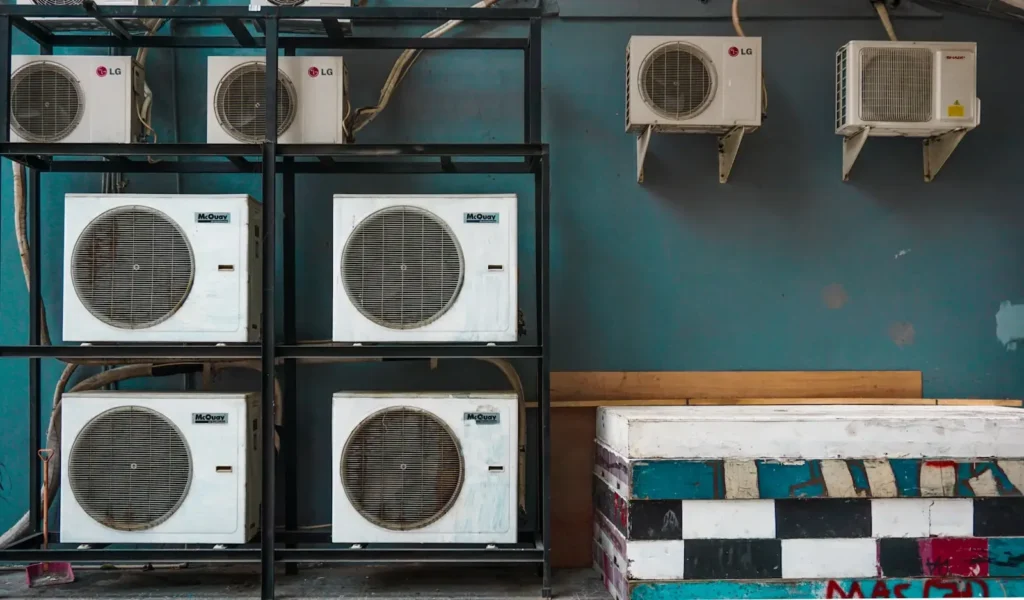
Final selection criteria
Use this checklist before buying:
-
confirmed compatibility with the target refrigerant,
-
confirmed compatibility with the lubricant,
-
stable performance in the operating temperature range,
-
strong UV visibility,
-
low residue and non-corrosive behavior,
-
clear usage instructions,
-
supplier credibility and documentation.
If your priority is speed
Choose a product that offers easy circulation and high visibility, especially for service teams that must locate leaks quickly in the field.
If your priority is system cleanliness
Choose a low-residue, well-documented dye designed for modern equipment and sensitive service environments.
If your priority is B2B standardization
Choose a product line that can support multiple refrigerant types with consistent performance and clear technical data.
The best dye is not simply the brightest one. It is the one that gives your technicians accurate, repeatable, and safe results in the real systems they service every day.
FAQ
Can Refrigerant Leak Detector Dye stay in the system permanently?
In many cases, dye remains in the system for a long time, but it should be used according to product guidance and service best practices. Overuse can create residue, so technicians should follow dosage recommendations.
Is dye safe for both new and older HVAC/R equipment?
It depends on the product and the system. A dye may be suitable for modern equipment only, while others are formulated for broader compatibility. Always verify refrigerant and oil compatibility before use.
Can dye help find very small leaks?
Yes. Fluorescent dye is often effective for small, slow, or intermittent leaks because it leaves visible traces where oil escapes. However, it works best when combined with good diagnostic practices and enough runtime for circulation.