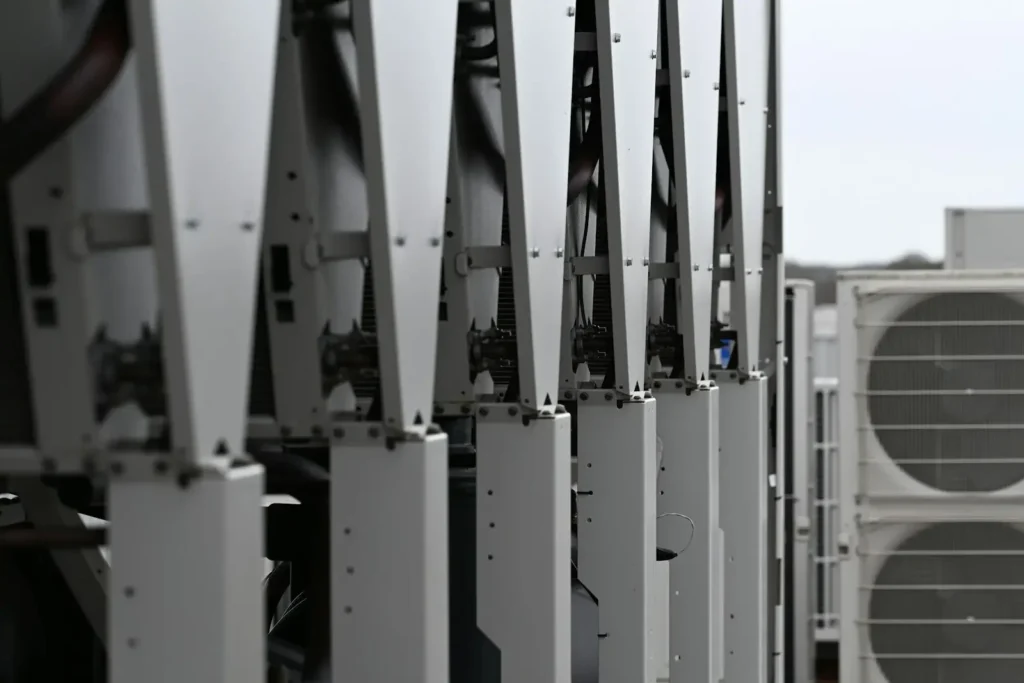
An HVAC system with a refrigerant leak is a system losing money. Every pound of refrigerant that escapes raises operating costs, reduces cooling capacity, and eventually trips a low-pressure safety switch that shuts the unit down. The technician who arrives to fix it faces a problem that has not changed in decades: refrigerant is invisible. It leaves no stain, no wet spot, and no residue. Finding a leak in a rooftop chiller with 200 feet of refrigerant lines, dozens of braze joints, and multiple coils feels like searching for a needle in a dark room.
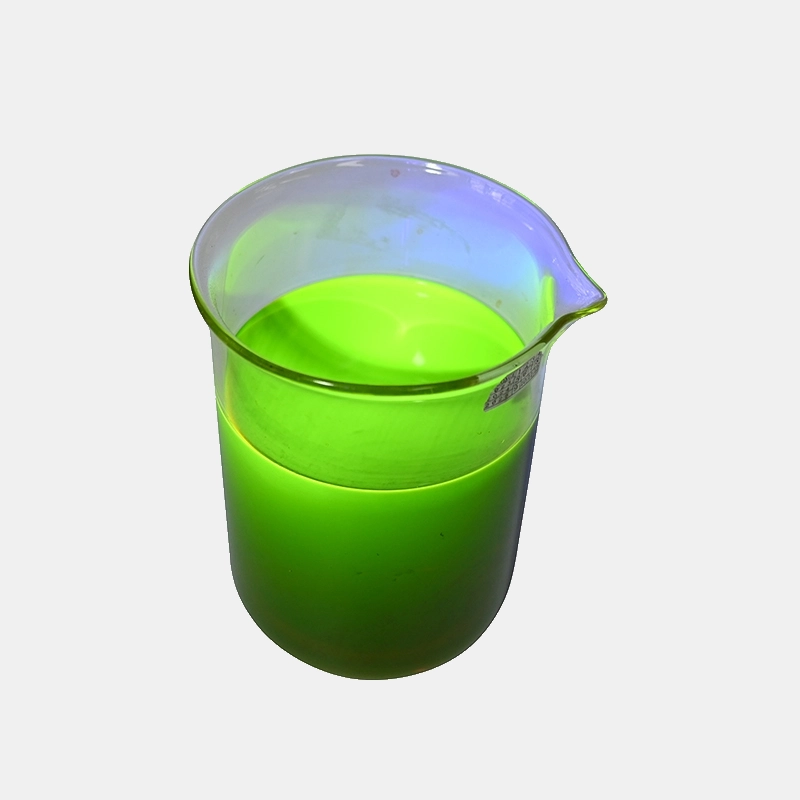
HVAC UV dye is a fluorescent chemical tracer added to a refrigeration system that circulates with the refrigerant and compressor oil. When the dye reaches a leak point, it escapes with the refrigerant, deposits on the surface around the leak, and glows bright yellow-green under a 365 nm ultraviolet inspection lamp, making even pinhole leaks instantly visible.
This article covers what the dye is made of, how the fluorescence mechanism works, what types are available for different systems, and how to use it correctly.
What is HVAC UV dye?
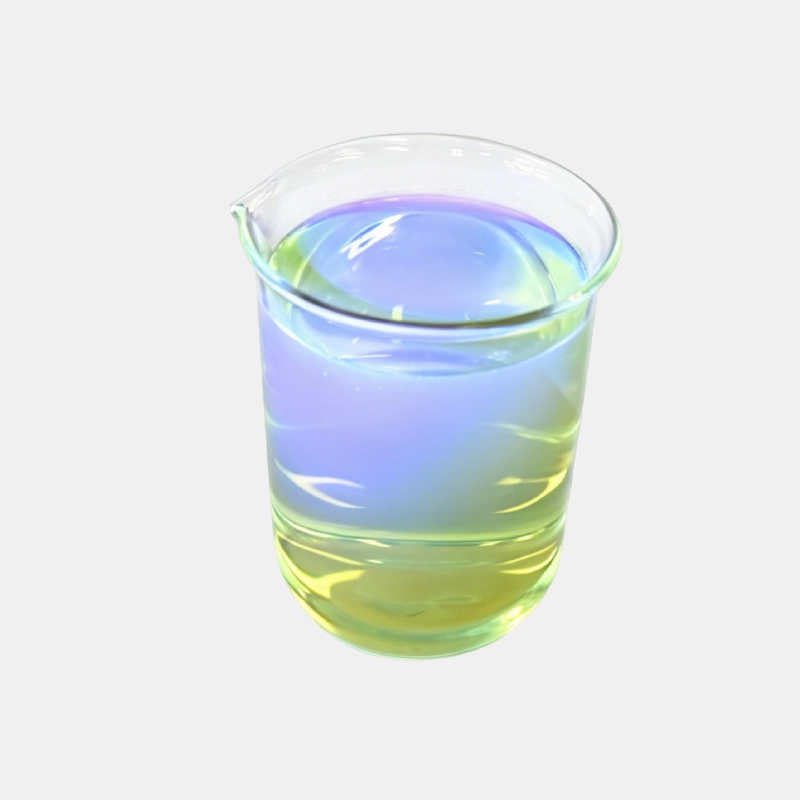
HVAC UV dye is a stable fluorescent compound dissolved in a carrier fluid compatible with refrigeration system oils. It is designed to circulate indefinitely within a closed HVAC or refrigeration system without reacting with the refrigerant, degrading the compressor oil, or clogging expansion valves and capillary tubes.
The dye molecule itself belongs to a class of compounds called fluorescent tracer dyes. Structurally, these are aromatic hydrocarbon molecules that absorb ultraviolet light at a specific wavelength and re-emit it as visible light at a longer wavelength. The most common types used in HVAC applications are perylene-based and naphthalimide-based dyes, chosen for their thermal stability and chemical inertness.
Thermal stability is the critical requirement. An HVAC compressor discharge line can reach 180 to 220 degrees Fahrenheit during normal operation. A dye that breaks down at those temperatures loses its fluorescence and becomes useless. It can also form solid decomposition products that circulate through the system and lodge in the metering device.Fluorescent UV leak detection dyesformulated for HVAC use are tested to withstand continuous exposure to temperatures well above normal operating conditions without degradation.
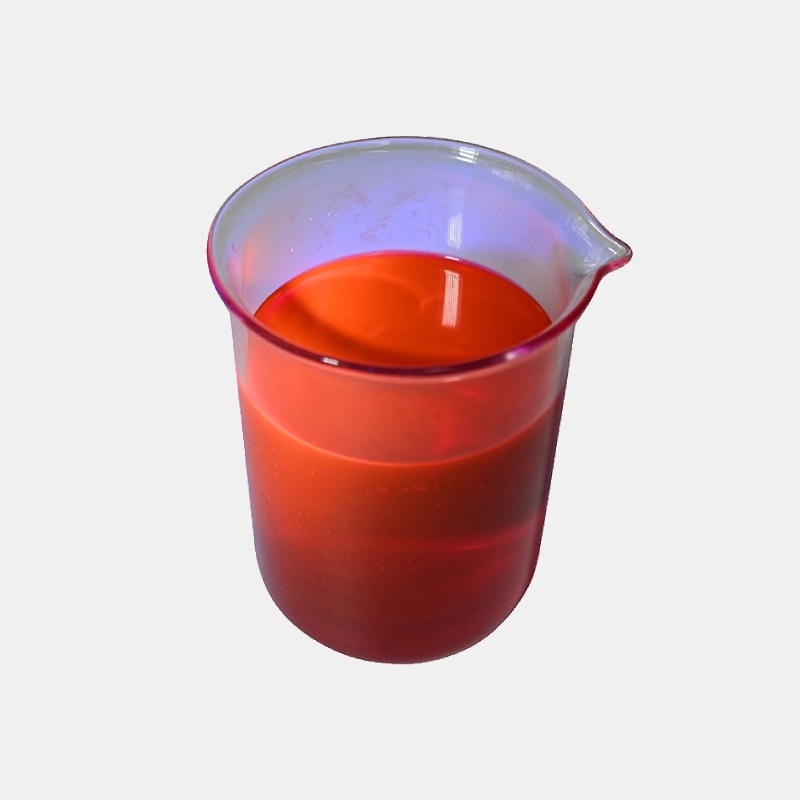
The dye is dissolved in a carrier fluid that serves two purposes. It dilutes the concentrated dye to a safe and manageable dose, and it ensures the dye mixes uniformly with the compressor oil. Common carriers include polyol ester (POE) oil, polyalkylene glycol (PAG) oil, mineral oil, and alkylbenzene oil. The carrier must match the oil type already in the system. A dye with a POE carrier injected into a mineral oil system will not mix properly, and the dye may settle in the accumulator or receiver instead of circulating.
A standard dose for a residential split system or a light commercial rooftop unit is one to two fluid ounces of dye solution. This equates to roughly a quarter-ounce of pure dye compound, which is more than enough to produce visible fluorescence at leak points for the life of the system. The concentration in the circulating oil is typically between 0.5 and 2 percent, which is the range that gives the brightest fluorescence without saturating the oil.
How does HVAC UV dye work?
HVAC UV dye works through fluorescence: the dye molecules absorb ultraviolet light at 365 nanometers and re-emit it as visible light at approximately 500 to 550 nanometers, which appears as a bright yellow-green glow to the human eye. When the dye escapes through a leak and deposits on the surface, a UV inspection lamp excites the dye and makes the leak point visible.
The physical process happens in three stages. First, the dye circulates through the system dissolved in the compressor oil. Every component in the refrigerant loop sees the dye-laden oil: the compressor, condenser, expansion device, evaporator, and all interconnecting lines. Second, when a leak exists, the refrigerant and a small amount of oil escape through the opening. The dye is carried with the oil. Third, the oil and dye deposit on the surface around the leak point. The refrigerant evaporates, but the dye remains. It forms a thin film or stain that persists indefinitely.
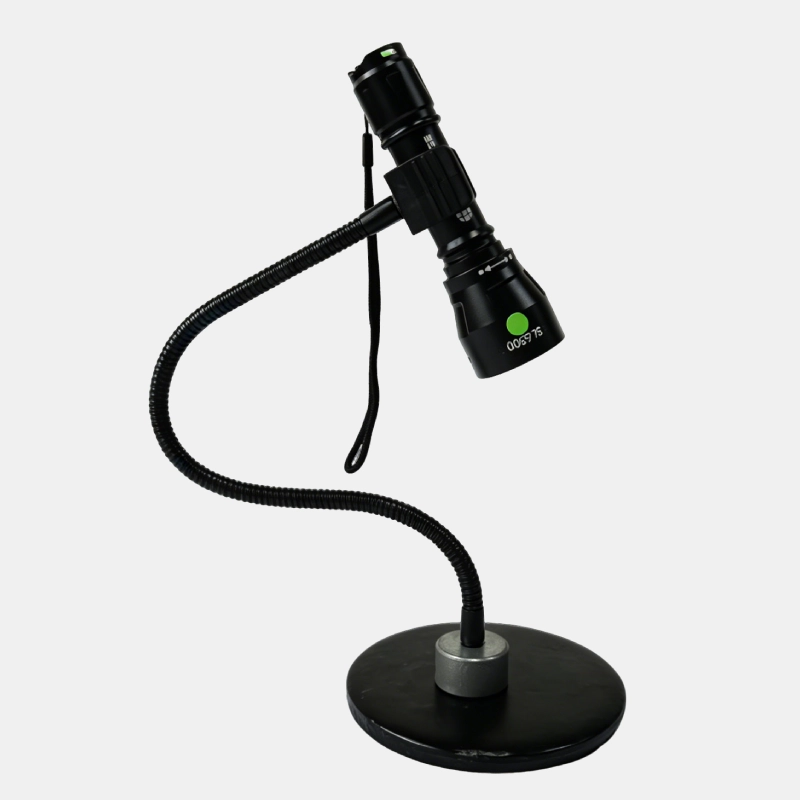
When the technician scans the system with a UV leak detection light, the dye absorbs the UV photons and re-emits them at a longer wavelength. The shift from invisible UV to visible yellow-green light is what makes the method work. The technician sees not the leak itself but the dye that the leak deposited.
The fluorescence efficiency is surprisingly high. A single drop of dye-laden oil containing roughly 10 micrograms of dye compound will produce enough fluorescence to be clearly visible from several feet away in shop lighting conditions. This is why even very slow leaks that lose only a few ounces of refrigerant per year can be detected. The dye accumulates over time. A leak that deposits a microscopic amount of dye each day will build up a visible stain after a week of operation.
Why 365 nm?
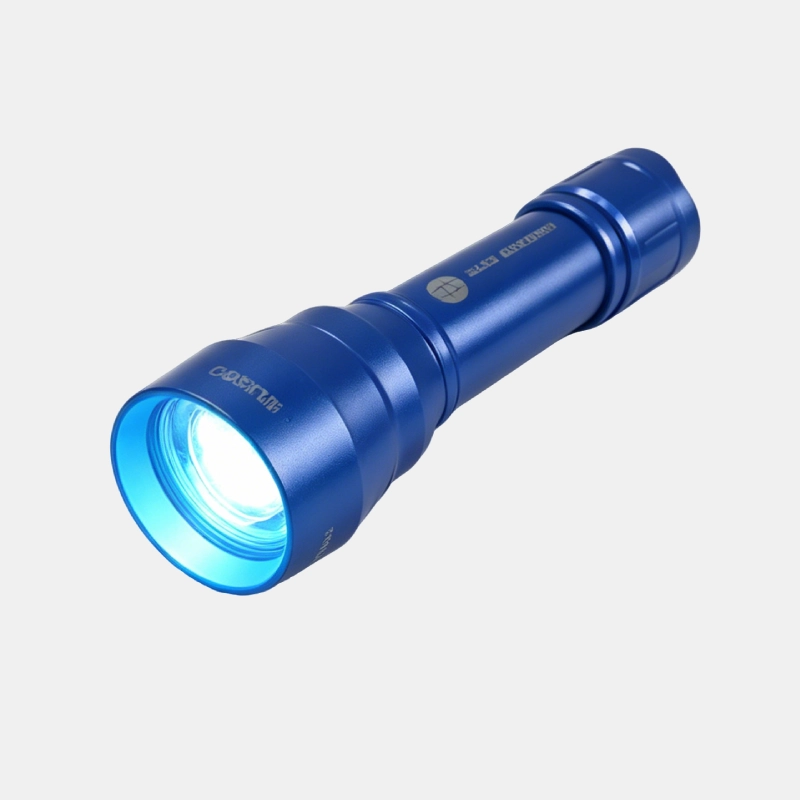
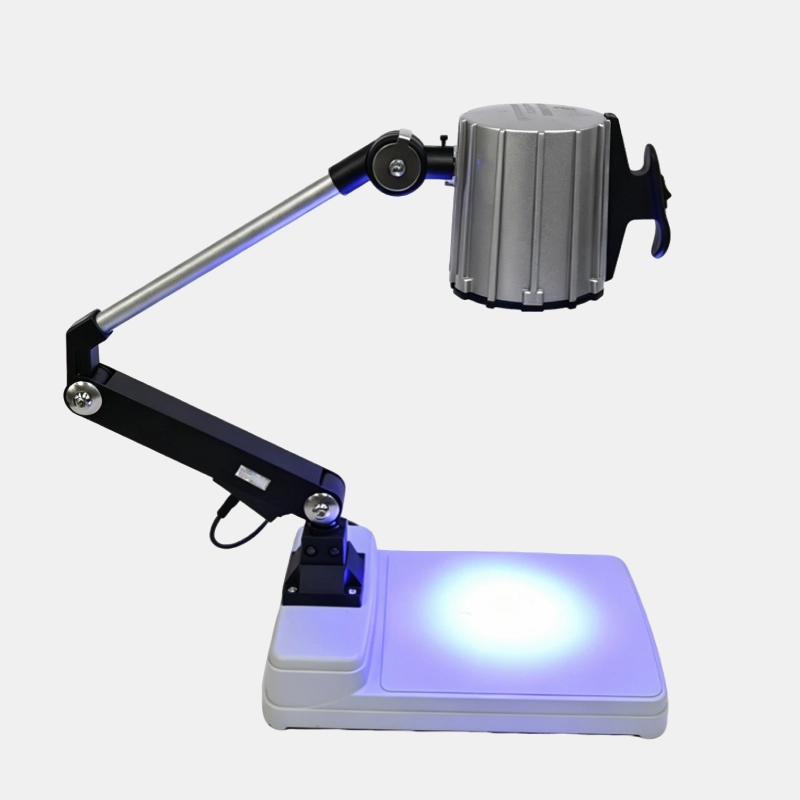
Excitation wavelength matters. HVAC dyes have peak absorption at 365 nm. Lamps at this wavelength transfer maximum energy to the dye molecules. Lamps at 395 nm, common in low-cost inspection lights, sit on the shoulder of the absorption curve and produce substantially less fluorescence. The same stain that glows brilliantly under 365 nm may be barely visible under 395 nm in ambient light.
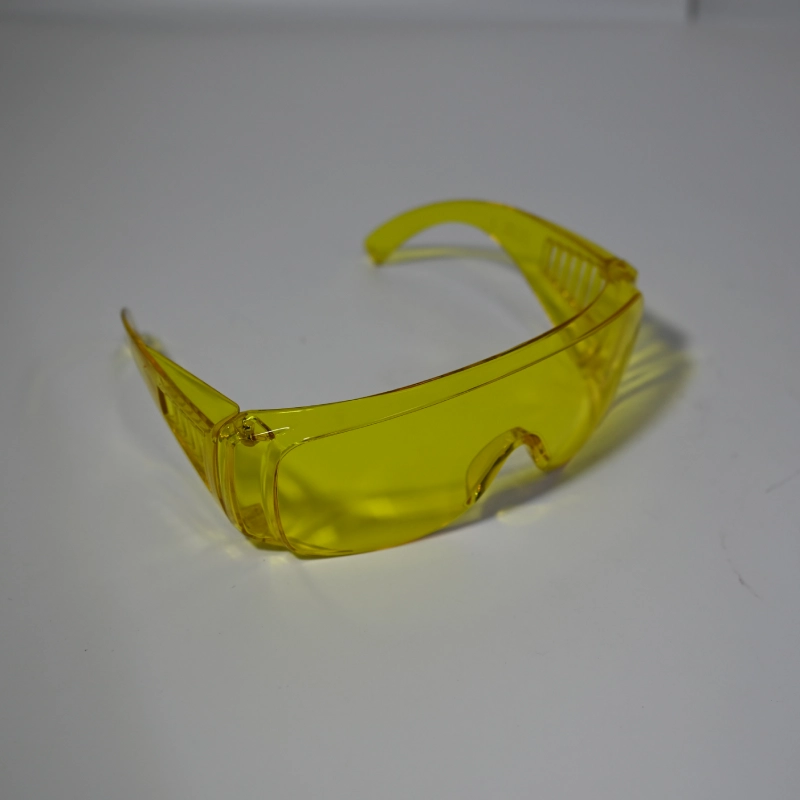
The lamp filter is equally important. A good filter blocks nearly all visible light, passing only UV-A wavelengths. Without it, visible purple light from the lamp competes with the dye’s yellow-green fluorescence. The yellow contrast glasses serve the same role from the eye side: blocking residual UV-A for safety and filtering ambient blue light so fluorescence pops against any background.
Fluorescence vs. other visual indicators
Fluorescence has a key advantage over a simple colored dye. A colored dye relies on reflected light and is only visible if enough dye accumulates to create a visible stain against the background surface. On a dark or dirty HVAC component, a small amount of colored dye blends in. Fluorescent dye produces its own light. Even a microscopic amount glows against any background, clean or dirty. This is why UV fluorescent leak detection finds leaks that bubble solutions and even electronic sniffers miss.
What types of HVAC UV dye are available?
HVAC UV dye is categorized by the carrier fluid type, which must match the compressor oil in the system. The main types are POE-based dye for HFC and HFO systems, mineral oil-based dye for older CFC and HCFC systems, PAG-based dye for automotive and some specialty systems, and universal dyes that claim compatibility across oil types.
POE-based dye
Polyol ester oil is the standard lubricant for systems running R-134a, R-410A, R-404A, R-407C, and most newer HFO refrigerants including R-1234yf and R-454B. This covers roughly 80 percent of the installed base of modern HVAC and refrigeration equipment. A POE-based dye is the most commonly used type in commercial and residential HVAC service.
POE oil is hygroscopic. It absorbs moisture from the air. A dye cartridge or injector bottle must be sealed until the moment of use, and the injection process should be as quick as possible to limit air exposure. Moisture introduced with the dye can react with POE oil to form acids that attack the compressor motor windings.
Mineral oil-based dye
Older systems running R-22, R-12, or R-502 use mineral oil or alkylbenzene oil. These systems are declining in number as the HCFC phaseout continues, but many R-22 units are still in service and will be for years. A mineral oil-based dye is required for these systems. POE-based dye in a mineral oil system will not dissolve uniformly and may cause oil return problems in the compressor.
Universal dye
Universal dyes use a solvent carrier designed to be miscible with multiple oil types. The appeal is obvious: one bottle works for every job. The tradeoff is performance. A universal dye may be slightly less soluble in any given oil type than a dedicated dye, and the carrier solvent may have a slightly different viscosity that affects oil return in extreme operating conditions. For routine residential and light commercial service, the difference is negligible. For large industrial chillers or low-temperature refrigeration where oil return is already marginal, a dedicated dye is the safer choice.
Dye forms: liquid, cartridge, and injectable
UV dye for HVACR systems is sold in three physical forms. Liquid dye in a squeeze bottle is the simplest and cheapest. The technician pours it into a dye injector and pushes it into the system. Pre-filled cartridges are more convenient. They thread directly onto the service port or manifold hose and eliminate measuring and handling. A pre-measured syringe is the most precise option and is common in OEM service kits where the exact dose matters for warranty documentation.
| Dye type | Compatible oils | Compatible refrigerants | Best for |
|---|---|---|---|
| POE-based | POE oil | R-134a, R-410A, R-404A, R-407C, R-1234yf, R-454B | Modern residential and commercial HVAC |
| Mineral oil-based | Mineral oil, alkylbenzene | R-22, R-12, R-502 | Older and legacy systems |
| PAG-based | PAG oil | R-134a, R-1234yf (automotive) | Automotive AC systems |
| Universal | All common oils | All common refrigerants | Mixed fleets, general service |
What refrigerants and oils is UV dye compatible with?
HVAC UV dye is compatible with all common refrigerants including R-22, R-134a, R-410A, R-404A, R-407C, R-1234yf, R-454B, R-32, and R-290 (propane), and with all common compressor oils including POE, PAG, mineral oil, and alkylbenzene oil, provided the dye carrier matches the oil type.
The dye molecule itself is chemically inert with respect to refrigerants. It does not catalyze decomposition, promote acid formation, or react with refrigerant breakdown products. Extensive compatibility testing has shown no measurable effect on system performance or component life when dye is used at the recommended concentration.
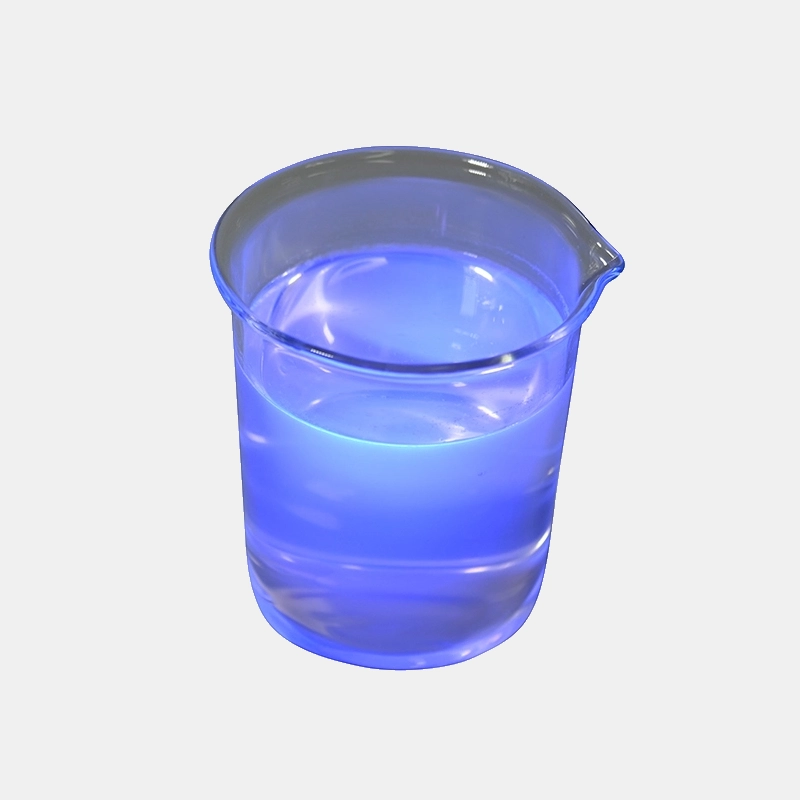
The compatibility concern is not the dye but the carrier. A dye with a mineral oil carrier injected into a POE system introduces an incompatible oil. The mineral oil may not return to the compressor and may form sludge when mixed with POE at high temperatures. Using the correct carrier is the single most important decision in selecting a dye.
System materials compatibility is well established. HVAC dyes have been tested against all common elastomers in O-rings, gaskets, and seals including HNBR, neoprene, EPDM, and Viton. No swelling, hardening, or chemical attack occurs at normal dye concentrations. Copper, aluminum, brass, and steel are all similarly unaffected. Older systems with natural rubber seals (rare after 1980) should be verified with the dye manufacturer before injecting.
How to use UV dye for HVAC leak detection
To use HVAC UV dye, inject the recommended dose into the system through the low-side service port while the compressor is running, circulate for 15 to 30 minutes, then scan all components and connections with a 365 nm UV inspection lamp while wearing yellow contrast glasses. The dye will fluoresce at every leak point.
Step 1: Verify system status
Connect a manifold gauge set and record static and operating pressures. A system that is completely empty cannot circulate dye. If the system has a charge but is low, the dye can still be injected and circulated. If the compressor is not running, the dye will not circulate beyond the accumulator or receiver. Get the system running first.
Step 2: Select and prepare the dye
Choose a dye with a carrier that matches the system oil type. Check the expiration date. Dye that has been sitting on a truck shelf for years may have degraded, especially if exposed to high heat. Shake the bottle thoroughly before use to ensure uniform mixing.
Step 3: Inject the dye
Attach the dye injector to the low-side service port. Open the injector valve slowly and allow system suction to pull the dye in. A typical dose is 1 to 2 fluid ounces for systems up to 10 tons. Larger systems require proportionally more dye. The dye enters the suction line, travels through the compressor, and begins circulating.
Step 4: Circulate and scan
Run the system for 15 to 30 minutes to ensure the dye has reached every component. The longer circulation time for larger commercial systems accounts for the greater refrigerant charge volume and longer line sets. After circulation, put on yellow contrast glasses and scan the system with a leak detection lamp. Start at the compressor and follow the refrigerant path through the condenser, liquid line, metering device, evaporator, and suction line. Check every braze joint, flare connection, Schrader valve, and service port cap.
For evaporator coil leaks, the dye will appear in the condensate drain water. Collect a sample of drain water in a clear container and inspect it under the UV lamp. Dye in the condensate confirms an evaporator leak.
Step 5: Document and clean
Mark each leak point with a paint pen or label. Take photos under UV light for documentation if the customer or warranty requires it. After the repair is complete, clean residual dye from the repaired area with a solvent wipe so future re-inspections can distinguish old dye from new leaks.
A properly selected leak detection solution with UV dye makes the entire diagnosis process faster and more reliable, whether the technician is working on a small residential split system or a large industrial chiller.
What are the advantages of UV dye over other leak detection methods?
UV dye detection offers four advantages over electronic sniffers and bubble solutions: it finds leaks that are too small or intermittent for other methods, it works in windy outdoor conditions, it leaves a permanent mark for follow-up inspection, and it can diagnose evaporator coil leaks without disassembly.
Electronic refrigerant detectors have a threshold sensitivity that varies by model and operating conditions. A leak that produces refrigerant concentration below the detector’s threshold reads as clean. UV dye has no threshold. Given enough time, even a microscopic leak accumulates enough dye to become visible.
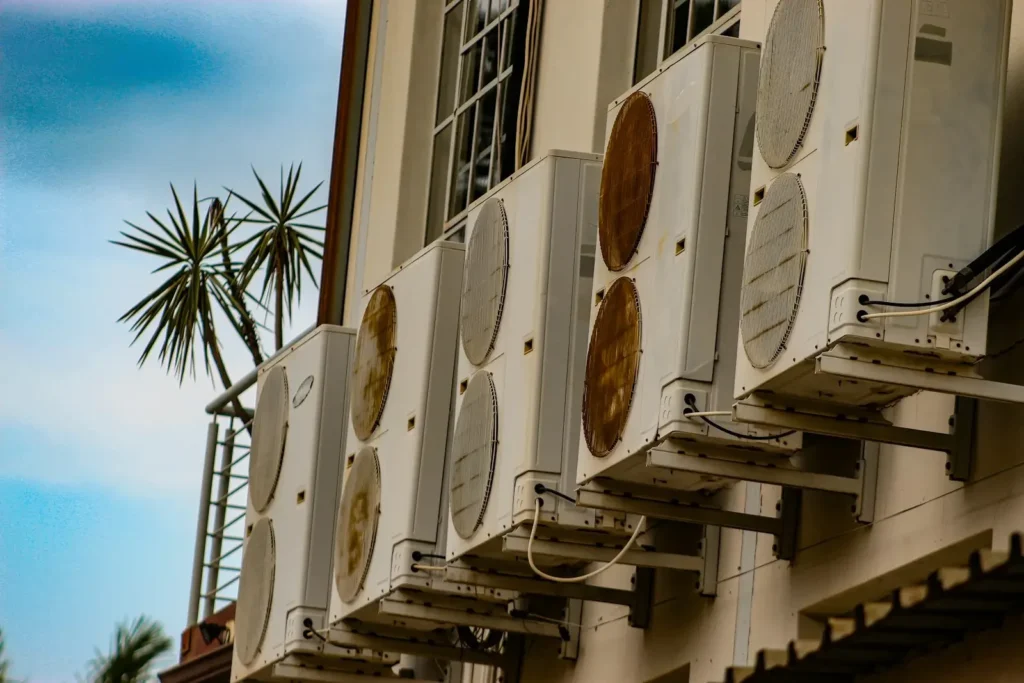
Wind is the enemy of electronic detection. An outdoor condensing unit on a windy rooftop disperses escaping refrigerant before the sniffer probe can sample it. The technician gets false negatives and leaves with the system still leaking. Dye deposited on the surface is unaffected by wind.
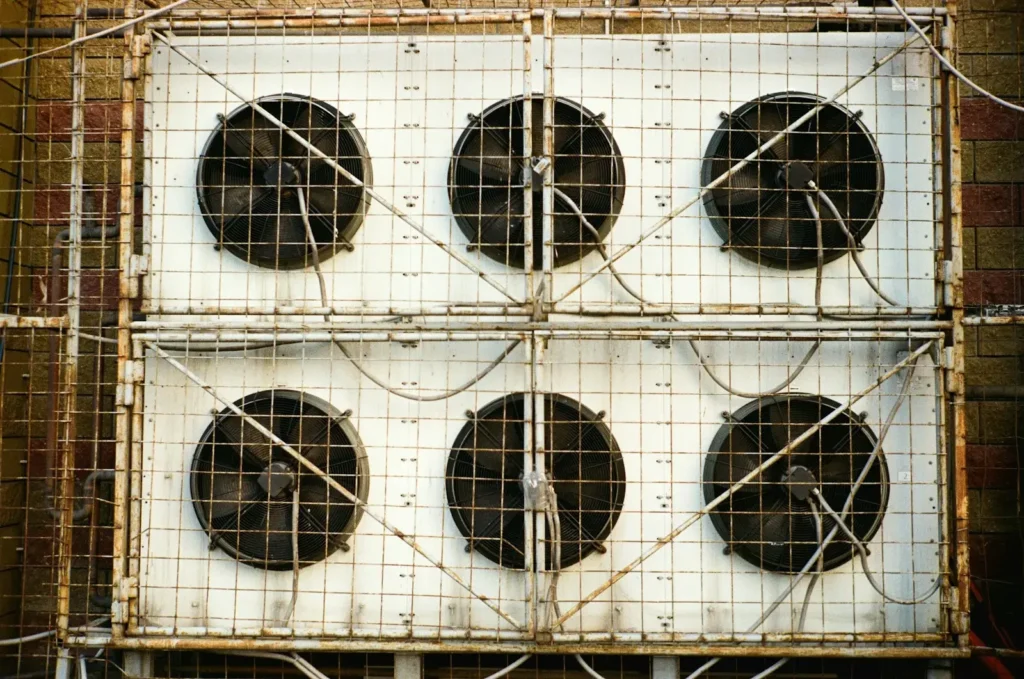
The permanent mark left by dye is perhaps its most underrated advantage. After a dye injection, the technician can leave the system running and return days or weeks later to re-inspect. The dye that accumulated during that time will mark the leak. This is particularly useful for intermittent leaks that only occur under specific conditions, such as high ambient temperature or after a defrost cycle.
For evaporator coil leaks, dye is often the only practical detection method short of isolating the coil and pressure testing it with nitrogen. An electronic sniffer cannot access the coil inside the air handler cabinet without cutting access holes. Dye in the condensate drain water provides a non-invasive diagnosis.
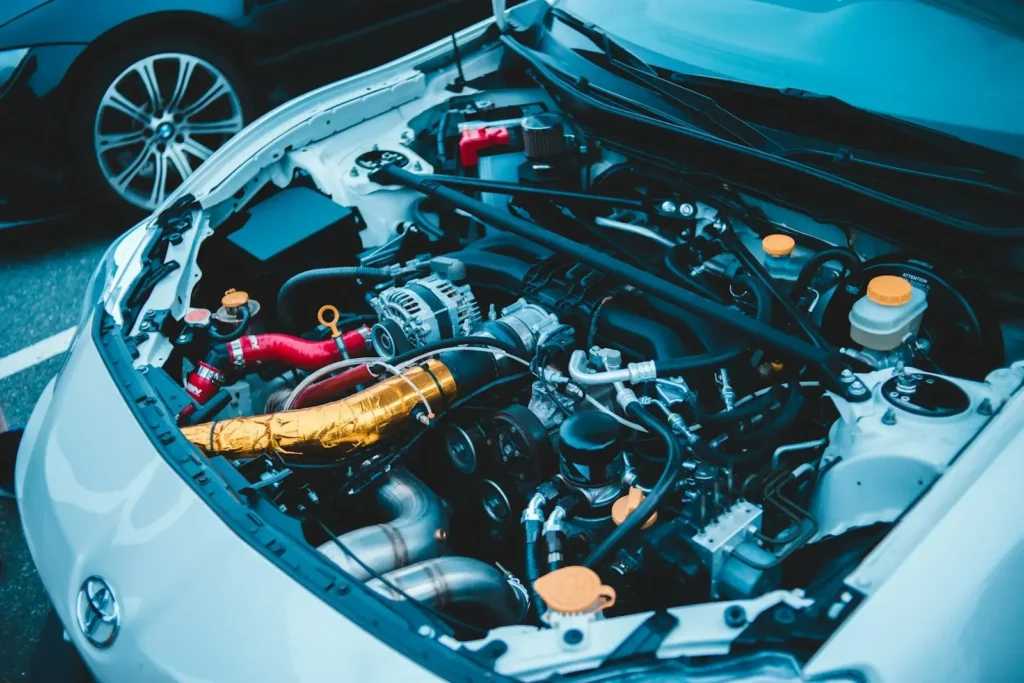
Automotive HVAC systems present the same challenges as stationary HVAC but in a more compact and harder-to-access package. The evaporator is buried inside the dashboard. The condenser is behind the grille and subject to road debris. UV dye is the standard method in automotive AC service for the same reasons it is effective in stationary HVAC.
How to choose the right HVAC UV dye
To choose UV leak detection dye, match the dye carrier to the system oil type, select a dye concentration appropriate for the system size, verify the dye is rated for the system’s operating temperature range, and ensure the dye is compatible with the specific refrigerant in the system.
Carrier oil match
This is the first and most important criterion. Read the system nameplate to identify the compressor oil type. If the nameplate is illegible, identify the refrigerant and look up the standard oil. R-410A and R-134a systems use POE. R-22 systems use mineral oil or alkylbenzene. An oil mismatch can cause compressor damage.
Dye concentration and dose
Dye concentration affects both visibility and system safety. A dye at 0.5 percent concentration in the oil produces bright fluorescence and requires a larger dose by volume. A dye at 2 percent concentration requires a smaller dose. Both work. The key is following the manufacturer’s dose recommendation for the system size. Overdosing saturates the oil and can cause the dye to precipitate out as solid particles. Underdosing produces weak fluorescence and false negatives.
Temperature rating
Check that the dye is rated for the expected discharge line temperature. Residential AC systems typically run at 150 to 180 degrees Fahrenheit on the discharge side. Commercial refrigeration and heat pump systems in heating mode can exceed 200 degrees. Industrial process chillers may run hotter. The dye should have a thermal stability rating at least 25 degrees above the maximum expected operating temperature.
OEM approval
Some equipment manufacturers require dye that meets specific OEM standards or is listed on an approved products list. This is common in warranty service and in large commercial accounts where the equipment owner or facility manager specifies approved service materials. Using a non-approved dye can void the warranty or create liability. Check the equipment documentation before proceeding.
Quality indicators
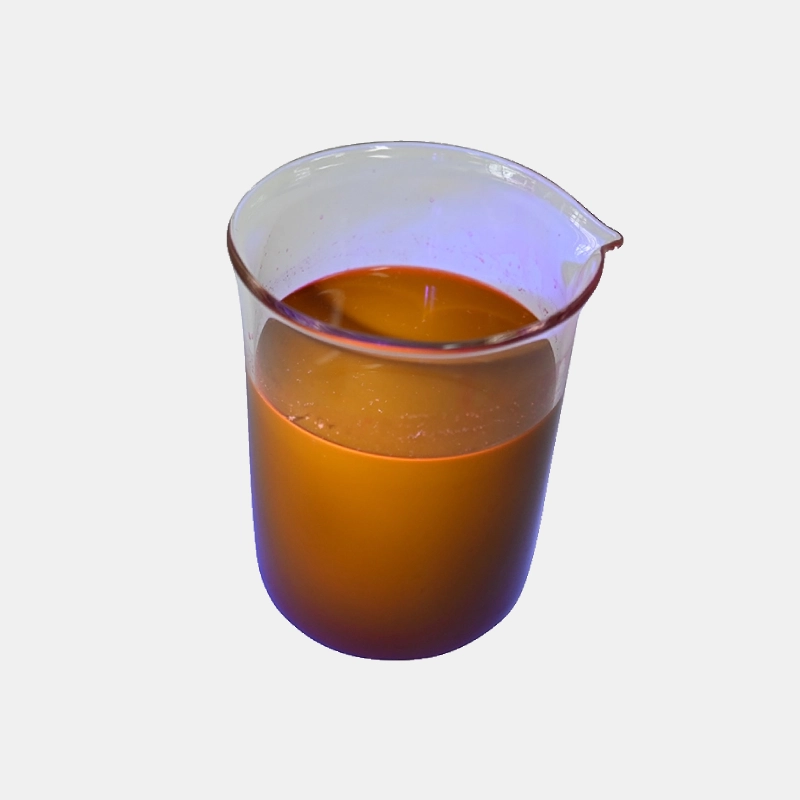
A quality dye has a clear, bright color in the bottle. Cloudy dye or dye with sediment at the bottom has degraded and should not be used. The bottle should be sealed and labeled with the lot number, manufacture date, refrigerant compatibility, and oil type. Generic dyes sold in unlabeled bottles at a deep discount are rarely worth the risk.
Conclusion
HVAC UV dye turns an invisible problem into a visible one. It is chemically simple, mechanically safe, and practically effective. A technician who understands what the dye is, how fluorescence works, and how to select the right type for each system will find leaks faster and with more confidence than one relying on detectors alone.
The dye costs a few dollars per dose. The lamp is a one-time purchase that lasts years, and the time saved on diagnosis pays for both on the first job. UV dye belongs in every HVAC service truck.
FAQ
Does UV dye change the color of the refrigerant or oil?
No. The dye concentration in the circulating oil is typically well below 2 percent, which is too low to change the oil’s visible color to the naked eye. The oil may take on a faint tint when drained and viewed in a clear container, but this does not affect system performance. The dye’s color is only visible under UV light, where it fluoresces bright yellow-green.
Can UV dye be used in a system that already has a leak sealant additive?
It is not recommended. Leak sealants work by reacting with moisture and air at the leak point to form a solid plug. Dye injected into a system with sealant already present may not circulate freely. The sealant can also coat the dye particles and suppress fluorescence. If a system has been treated with sealant and is still leaking, recover the refrigerant, flush the system, replace the filter-drier, and then inject dye into a clean system.
How long does UV dye last in an HVAC system?
UV dye remains stable and fluorescent for the life of the system under normal operating conditions. The dye molecule is thermally and chemically stable. It does not evaporate, react with the refrigerant, or break down over time. A system that had dye injected five years ago will still produce the same fluorescence as the day it was injected. The only exception is dye exposed to prolonged direct sunlight on external surfaces, where UV-A from the sun can cause slow photodegradation. But dye inside the sealed refrigerant loop is fully protected.