Finding a leak in an industrial system often feels like looking for a needle in a haystack. The fluid might be oil, water, refrigerant, or fuel. The leak might be a pinhole in a hydraulic line, a cracked heat exchanger tube, or a loose fitting on a rooftop HVAC unit. Traditional methods like listening for hisses or watching for drips work only for the most obvious cases, and by then the leak has already cost money and created risk.
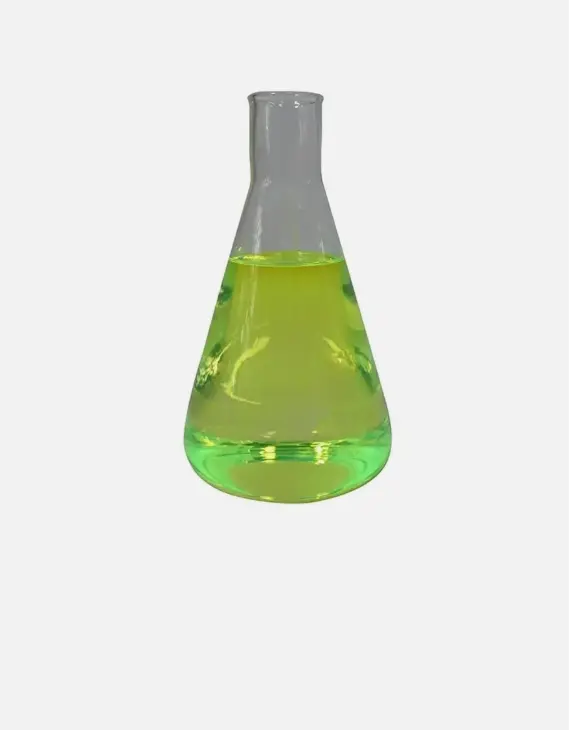
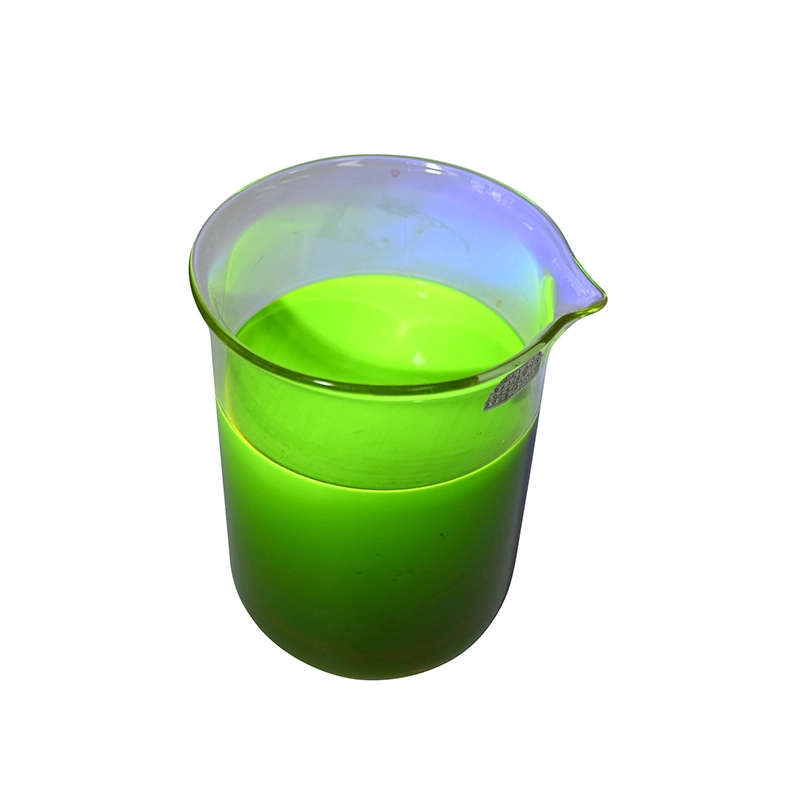
UV fluorescent leak detection dye is a chemical tracer added to fluid systems that glows bright green, yellow, or orange under ultraviolet light, making even the smallest leaks visible to the naked eye. The dye circulates with the fluid, escapes through any leak point, and accumulates at the source, where a UV lamp reveals it as a glowing spot against the dark background of machinery or piping.
This method turns an invisible problem into something you can see and point to. It works on systems that are running, which means you can find leaks during normal operation without shutting down production. The dye stays in the system after the inspection, so subsequent checks are faster and the dye acts as an ongoing monitor. This guide walks through what the dye is, how the fluorescence works, the different types available, and how to use it effectively across industrial applications.
What Exactly Is UV Fluorescent Leak Detection Dye
UV fluorescent leak detection dye is a chemical additive formulated to dissolve in specific fluid types and fluoresce under ultraviolet light, creating a visible marker at leak points. It is not a dye in the textile sense. It is a tracer designed to be chemically stable, non-reactive with system components, and detectable at very low concentrations.
The core ingredient in these dyes is a fluorescent compound, often derived from aromatic hydrocarbons like naphthalene or anthracene derivatives. These molecules have electron structures that absorb ultraviolet energy and re-emit it as visible light. The exact compound varies by dye type. Oil-based dyes use oil-soluble fluorescent agents. Water-based dyes use water-soluble agents. Refrigerant dyes use compounds that remain stable at the low temperatures and pressures of HVAC systems.
UV fluorescent leak detection dyes come in liquid form, typically in small bottles or injection cartridges. The concentration is high enough that only a few milliliters are needed per gallon of system fluid. Once injected, the dye disperses evenly throughout the system. It does not change the fluid’s viscosity, lubricity, or thermal properties. It does not degrade seals, O-rings, or metal surfaces when used within the manufacturer’s recommended concentrations.
How It Differs from Regular Dyes and Pigments
The word “dye” can be misleading. Industrial UV detection dyes are not like food coloring or fabric dye. They are engineered for three specific properties: fluorescence under UV light, chemical stability in the host fluid, and low concentration detectability.
A regular pigment might color a fluid, but it would not glow under UV light. It might also settle out of suspension, clog filters, or react with system components. Fluorescent detection dyes stay in solution indefinitely. They do not plate out on surfaces or form deposits. They are invisible under normal lighting conditions, which means they do not stain components or create a mess during handling.
The detection threshold is another key difference. A typical UV dye can be seen at concentrations as low as 10 parts per million. That is one drop of dye in five gallons of fluid. The human eye can pick up that faint glow under the right UV light. No other visual method comes close to that sensitivity.
The Science Behind UV Fluorescence in Leak Detection
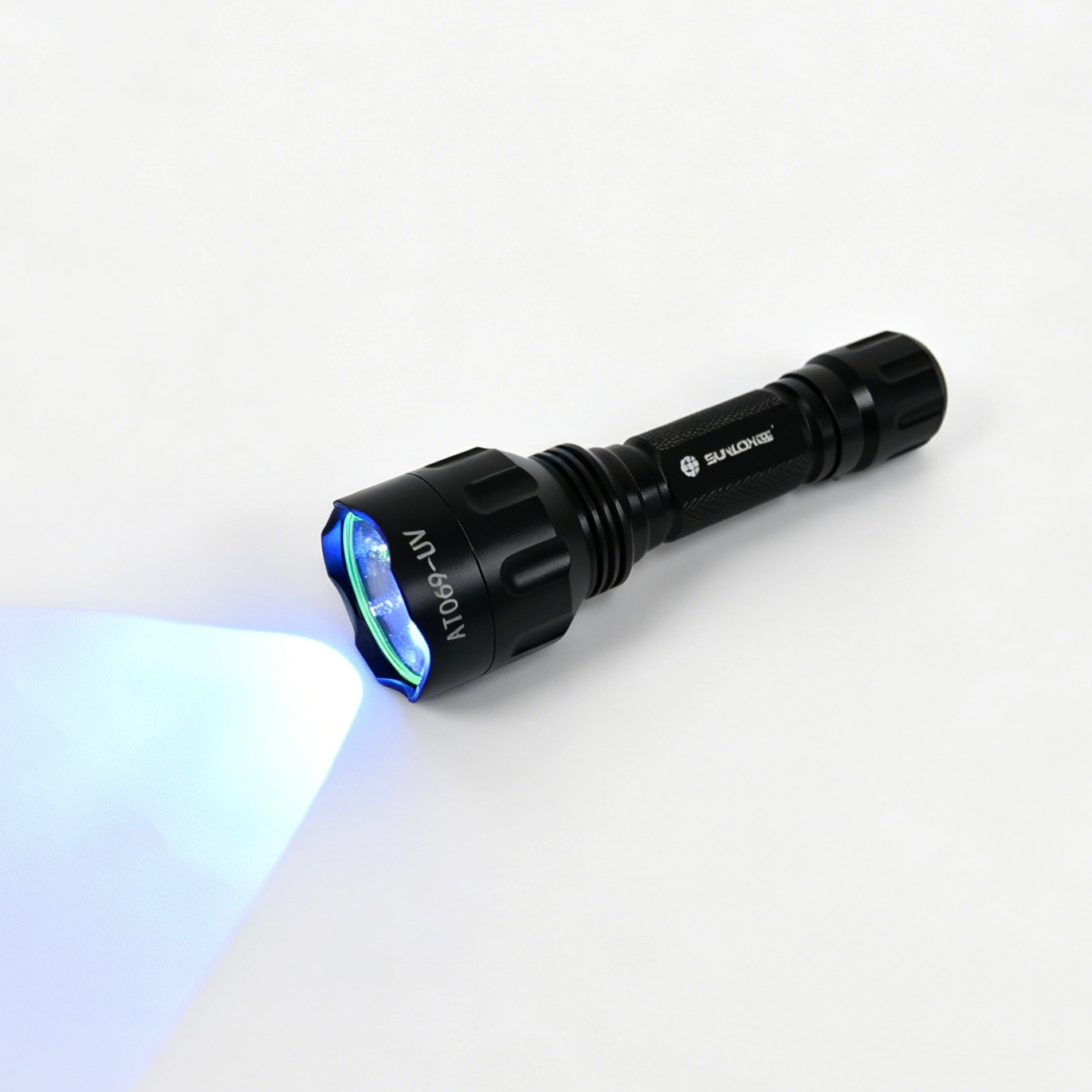
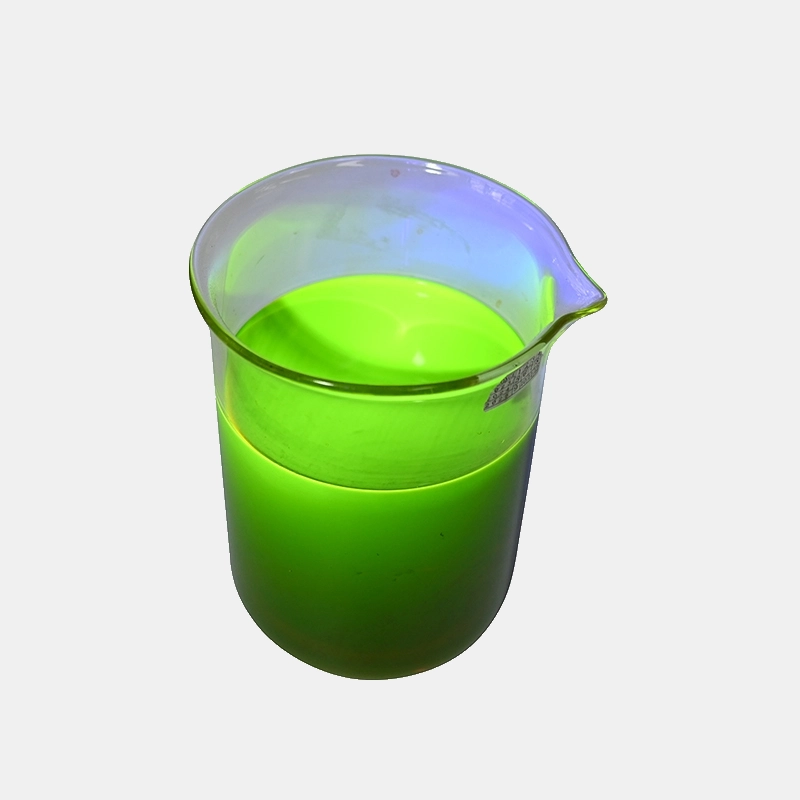
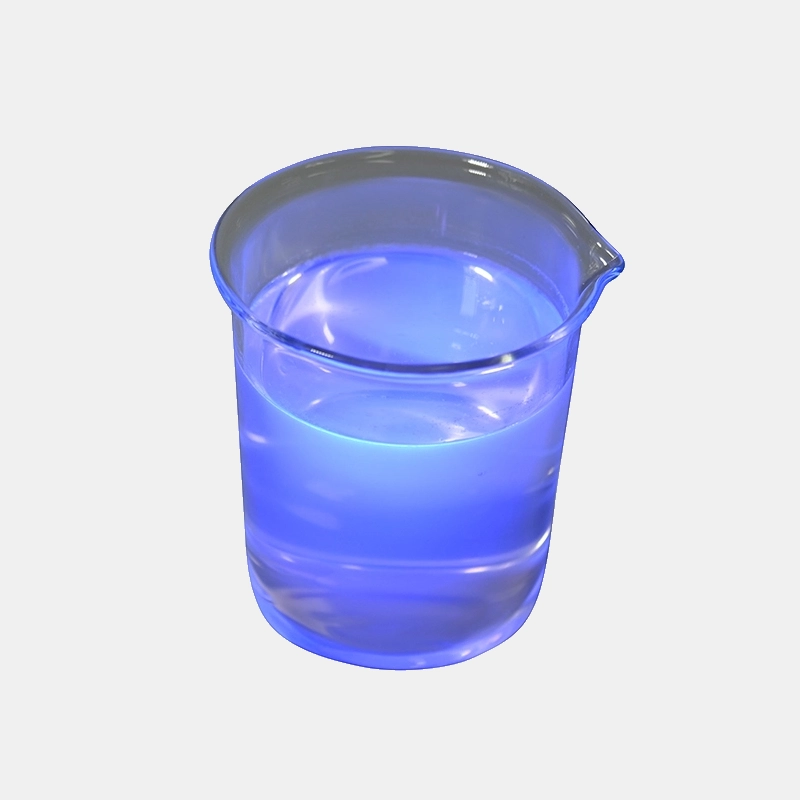
Fluorescence occurs when a molecule absorbs high-energy ultraviolet photons and re-emits lower-energy visible photons. In leak detection dyes, the fluorescent compound absorbs UV-A light around 365 nanometers and emits green, yellow, or orange light between 500 and 600 nanometers, creating a bright contrast against the non-fluorescent background.
The process happens in three steps. First, the UV lamp emits ultraviolet light in the 365 nm range. This wavelength is invisible to human eyes but carries enough energy to excite the dye molecules. Second, the dye molecules absorb the UV photons, which pushes their electrons into a higher energy state. Third, the electrons drop back to their normal state, releasing the excess energy as visible light. Because some energy is lost as heat, the emitted light has a longer wavelength than the absorbed light.
The color of the fluorescence depends on the dye formulation. Green fluorescence, around 525 nm, is common for general-purpose dyes because the human eye is most sensitive to green light. Yellow and orange dyes, around 580–600 nm, are often used in environments with background fluorescence from oils or greases, where green might blend in. The choice of color affects how easily the technician spots the leak against the specific background.
Why 365 nm UV Light Works Best
Not all ultraviolet light triggers fluorescence equally. UV light is divided into three bands: UV-A (315–400 nm), UV-B (280–315 nm), and UV-C (100–280 nm). UV-A, specifically around 365 nm, is the sweet spot for industrial leak detection.
Fluorescent UV dye molecules are tuned to absorb strongly at 365 nm. This wavelength is also safe for human exposure with proper eye protection. UV-B and UV-C are more energetic and can cause skin burns and eye damage with prolonged exposure. They also have poor penetration through air and do not travel as far from the lamp.
A 365 nm UV lamp produces very little visible light, which keeps the background dark. When the dye fluoresces, the contrast is extreme: bright glowing spot against near-black surroundings. That contrast is what makes tiny leaks visible from several feet away.
The Role of Wavelength Filtering
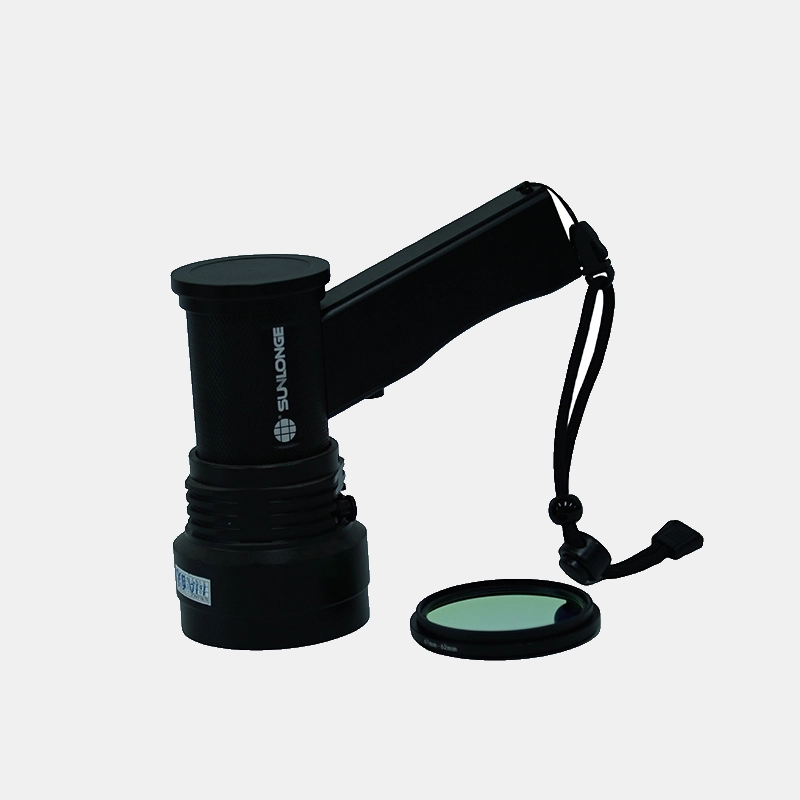
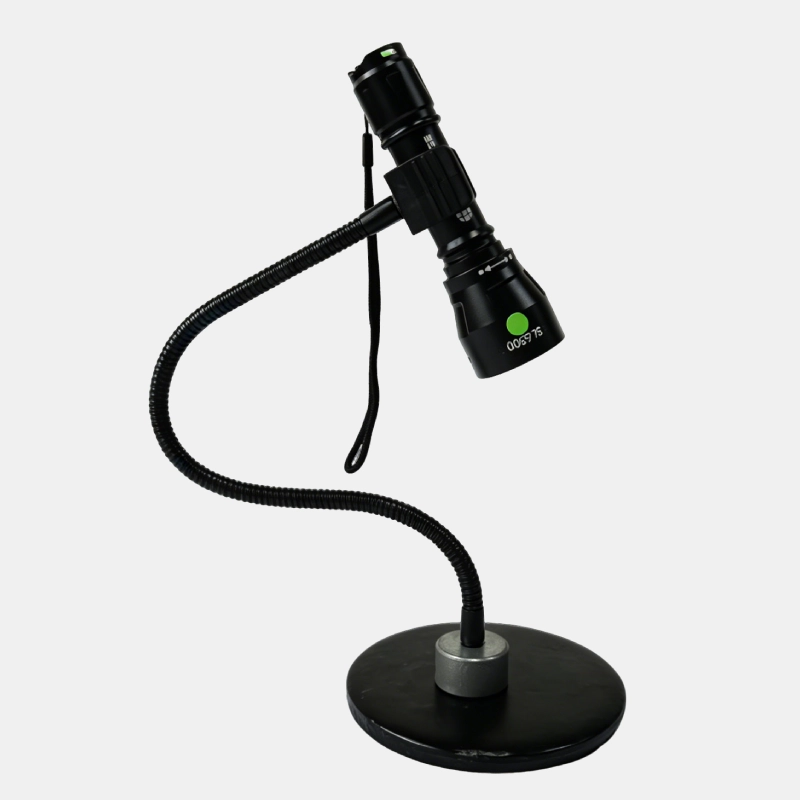
High-quality UV detection lamps include a filter that blocks visible light from the bulb. Without the filter, the bulb’s own visible glow would wash out the faint fluorescence from the dye. The filter lets through only the 365 nm UV light, creating a pure ultraviolet beam.
The technician’s safety glasses also have filters. They block the 365 nm UV light to protect the eyes, but allow the visible fluorescent light from the dye to pass through. This combination—filtered lamp and filtered glasses—maximizes the signal-to-noise ratio and makes the dye glow appear brighter than it actually is.
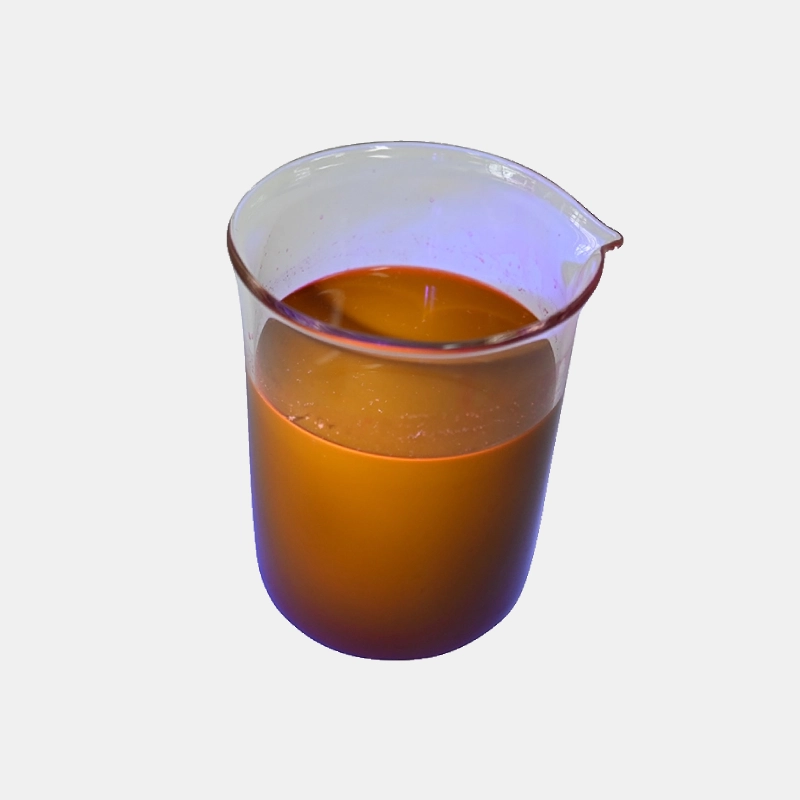
Types of UV Fluorescent Dyes and Their Applications
UV fluorescent dyes are categorized by the fluid they are designed for: oil-based for lubricants and hydraulic fluids, water-based for cooling systems and plumbing, refrigerant dyes for HVAC and refrigeration, fuel dyes for gasoline and diesel, and specialized dyes for swimming pools and industrial processes. Using the wrong dye type can cause separation, precipitation, or ineffective fluorescence.
The table below shows the main dye categories and where they are used.
| Dye Type | Compatible Fluids | Typical Fluorescence Color | Key Applications |
|---|---|---|---|
| Oil-based | Mineral oils, synthetic lubricants, hydraulic fluids, gear oils | Green or yellow | Hydraulic systems, gearboxes, compressors, turbines |
| Water-based | Water, water-glycol mixtures, antifreeze, coolants | Green | Cooling towers, heat exchangers, plumbing lines, chillers |
| Refrigerant | R-134a, R-410A, R-404A, R-22, HFO blends | Yellow or orange | HVAC systems, refrigeration units, chillers, cold storage |
| Fuel | Gasoline, diesel, jet fuel, kerosene | Orange or red | Fuel storage tanks, fuel lines, aircraft fueling systems |
| Pool/water feature | Pool water, fountain water, decorative ponds | Blue or green | Concrete pools, vinyl liners, fiberglass shells, water features |
Oil-Based Dyes for Lubrication and Hydraulic Systems
Oil systems operate at high pressures and temperatures. The dye must remain stable under those conditions. UV dye for oil and fuel formulations use oil-soluble fluorescent compounds that do not break down or polymerize over time. They are compatible with mineral oils, PAO synthetics, and ester-based fluids.
In a hydraulic system, a pinhole leak at 3,000 psi can spray a fine mist that is almost impossible to see. The oil evaporates quickly, leaving no trace. With dye in the system, that mist deposits fluorescent residue on nearby surfaces. A UV scan of the area shows exactly where the leak originates, even if the leak itself is intermittent.
Water-Based Dyes for Cooling and Plumbing
Water systems often have leaks at joints, valves, and heat exchanger tubes. UV dye for water systems dissolves completely in water and glycol mixtures. It does not precipitate out when the water chemistry changes, and it is compatible with common corrosion inhibitors and biocides.
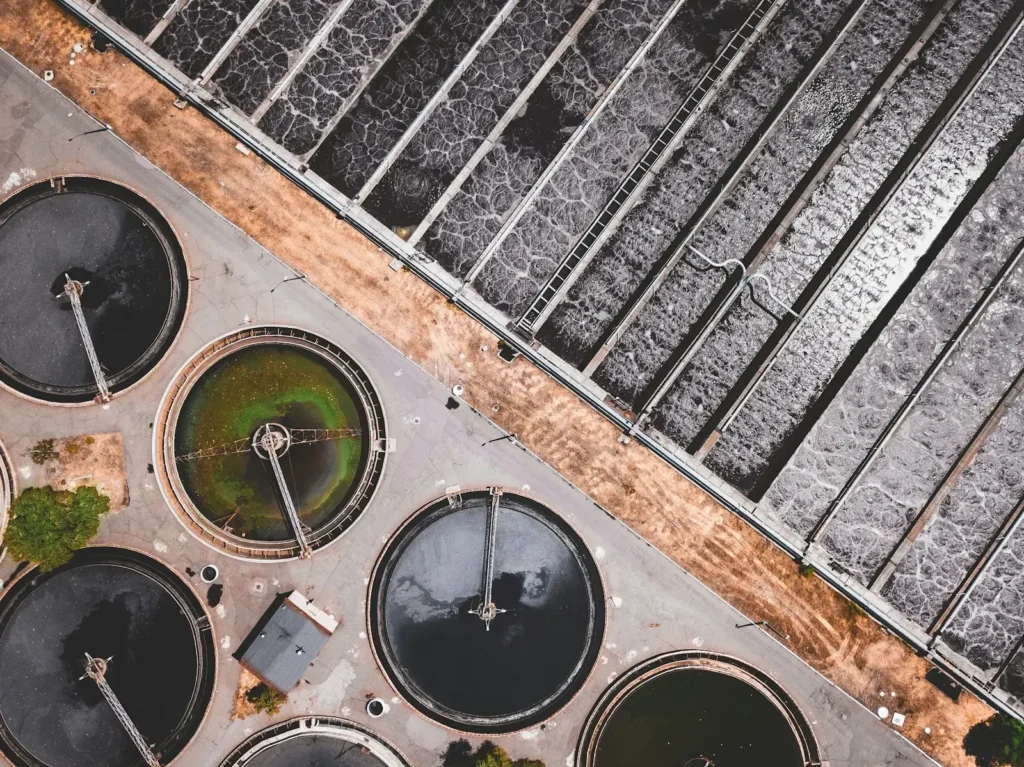
Cooling tower loops are a classic application. A leak in an underground pipe might show up as a wet spot in a parking lot, but tracing it back to the exact pipe and location is guesswork without dye. Inject dye at the tower basin, run the system for a few hours, and then walk the pipe route with a UV light. The leak point glows where dye has seeped into the soil.
Refrigerant Dyes for HVAC and Refrigeration
Refrigerant leaks are expensive and regulated. UV dye for HVACR is formulated to remain soluble in refrigerant oil and circulate with the refrigerant. It works with both CFC/HFC refrigerants and newer HFO blends. The dye is injected into the system through the service port and circulates with the refrigerant-oil mixture.
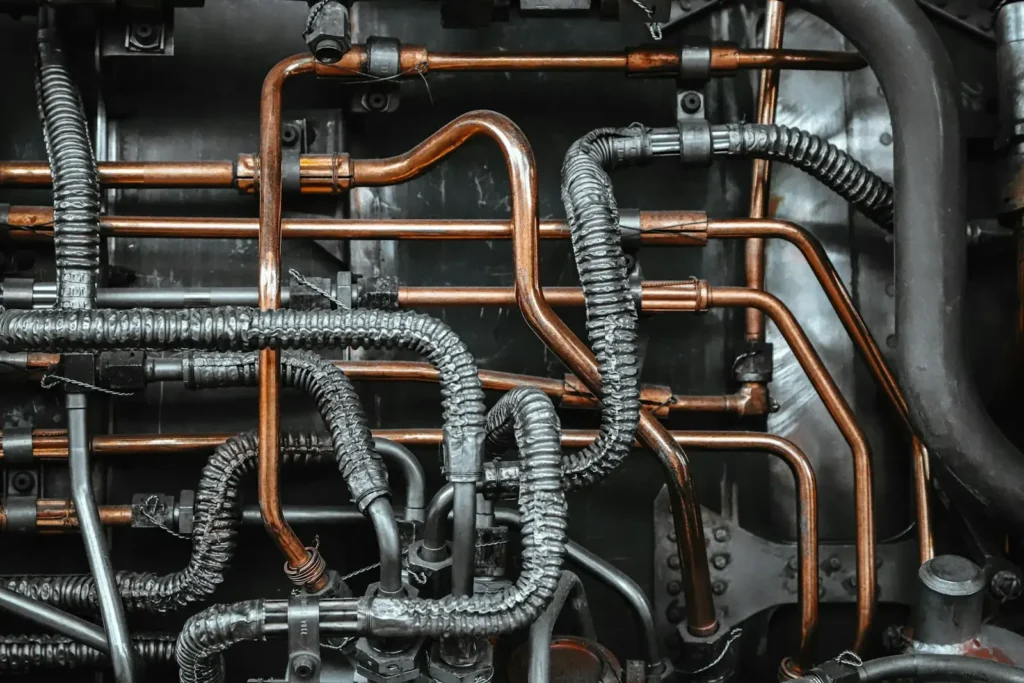
When refrigerant escapes, it carries oil and dye with it. The dye deposits at the leak site and fluoresces under UV light. This method is far faster than electronic sniffers for pinpointing the exact leak location, especially on rooftop units or in crowded mechanical rooms where sniffer readings can be ambiguous.
Specialized Dyes for Pools and Process Water
Pool leak detection dye is a concentrated formulation that does not affect water chemistry or stain pool surfaces. It is used with a syringe to introduce small amounts near suspected leak points: around lights, skimmers, drains, and cracks. The dye moves with the water flow toward the leak, creating a visible trail.
In industrial process water systems, dyes can trace contamination paths or identify cross-connections between clean and dirty water lines. The fluorescence provides unambiguous visual proof of flow direction.
How to Use UV Fluorescent Dye: A Step-by-Step Process
Using UV fluorescent dye involves six steps: inject the dye into the system, circulate it to ensure even distribution, inspect with a UV lamp, mark leak locations, repair the leaks, and verify the repairs with a post-repair inspection. The entire process can often be completed during a single maintenance window without taking the system offline.
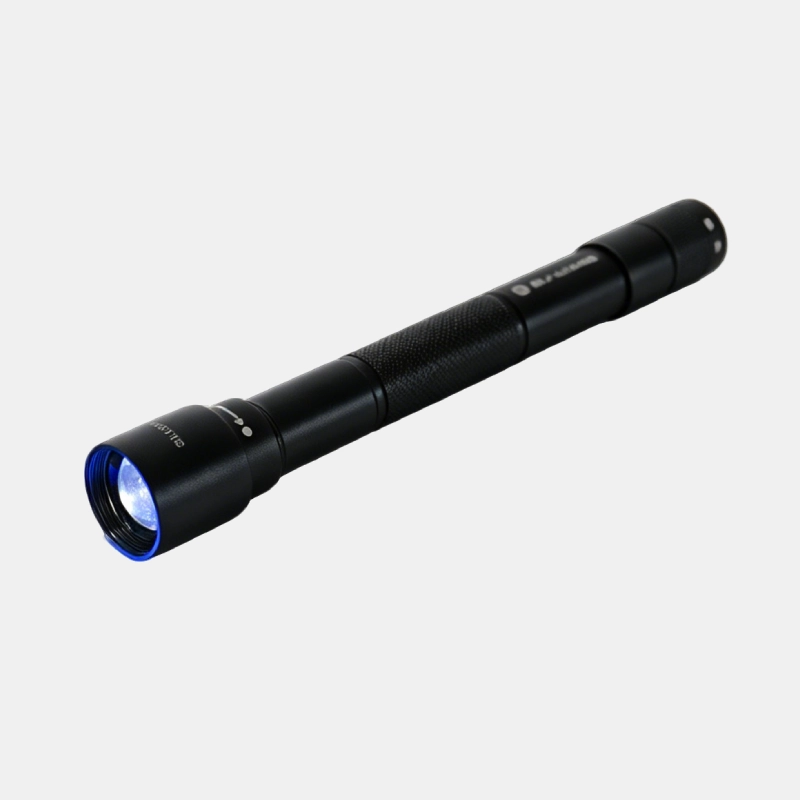
The equipment needed is minimal: the dye itself, a UV leak detection light, safety glasses with UV filters, and injection tools if the system does not have an easy access point.
Step 1: Dye Injection
Determine the correct dye type for the fluid and system. Calculate the injection amount based on system volume. For most industrial dyes, the ratio is 1 ounce of dye per 10 gallons of system fluid. Smaller systems might use pre-measured injection cartridges.
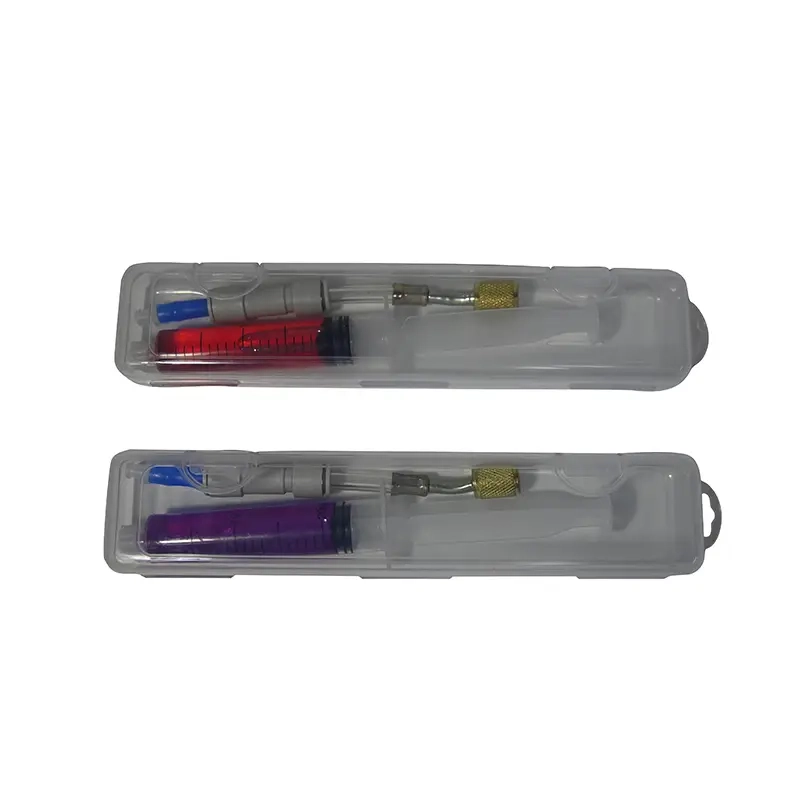
Find a suitable injection point. For hydraulic and lubrication systems, this might be the reservoir fill port. For cooling water, inject at the pump suction or an open vent. For refrigerant systems, use the service port and a dye injector tool. Inject the dye slowly to avoid splashing or introducing air.
Step 2: Circulation and Distribution
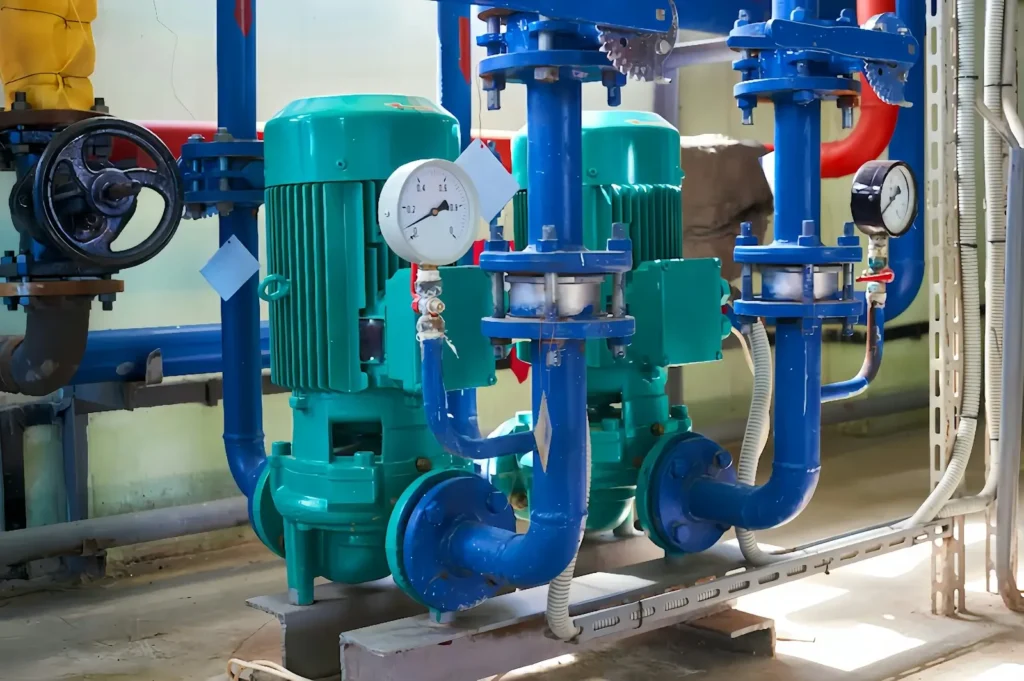
Run the system normally for at least 30 minutes to several hours, depending on system size and flow rates. The goal is to get the dye evenly distributed throughout the entire loop. For large systems like cooling tower networks, overnight circulation ensures the dye reaches all branches.
If the system has filters, check them after circulation. Some dye might be captured on fine filters, which is normal. Replace the filter if needed, but do not interpret filter capture as dye depletion. The dye concentration in the fluid remains effective.
Step 3: UV Inspection
Turn off ambient lights if possible. Darken the inspection area to maximize contrast. Put on UV-blocking safety glasses. Use the UV lamp to scan all potential leak points: fittings, valves, seals, hoses, welds, and areas below equipment where fluid might drip or accumulate.
Move the lamp slowly, 4 to 6 inches from the surface. Look for bright green, yellow, or orange glow. Even a faint glow indicates a leak. Mark each leak location with chalk or a paint pen. Take photos if documentation is required.
Step 4: Leak Verification and Prioritization
Not every glow is an active leak. Residual dye from previous repairs can fluoresce. To confirm an active leak, wipe the area clean with a solvent-compatible rag, run the system for another 15 minutes, and recheck. If the glow returns, it is an active leak.
Prioritize leaks by size and risk. A steady drip from a hydraulic fitting is more urgent than a slight seep at a reservoir gasket. Document each leak with location, estimated severity, and recommended repair action.
Step 5: Repair and Cleanup
Repair the leaks using standard procedures. Replace seals, tighten fittings, or repair components as needed. After repair, clean any external dye residue with a UV-dye cleaner or isopropyl alcohol. This prevents false positives during future inspections.
Step 6: Post-Repair Verification
Run the system again after repairs. Re-inspect the repaired areas with the UV lamp. No glow should be present. If fluorescence persists, the repair might be incomplete or there might be a secondary leak nearby.
The dye remains in the system, so future inspections are faster. The technician only needs the UV lamp and glasses. No re-injection is required unless the system fluid is changed or the dye concentration drops below detection levels.
UV Dye vs. Other Leak Detection Methods
UV fluorescent dye detection offers visual confirmation, works on running systems, and leaves a permanent tracer in the fluid. Electronic sniffers are more sensitive for gas leaks but cannot pinpoint the exact location. Ultrasonic detectors work well for pressurized gas but fail on low-pressure liquid systems. Pressure decay testing is accurate but requires system isolation and downtime.
The comparison table below highlights the strengths and limitations of each method.
| Method | Best For | Detection Speed | Pinpoint Accuracy | System Online? | Cost per Inspection |
|---|---|---|---|---|---|
| UV fluorescent dye | Liquid systems, refrigerant with oil | Moderate | High | Yes | Low |
| Electronic sniffer | Refrigerant, combustible gas | Fast | Low to moderate | Yes | High |
| Ultrasonic detector | Compressed air, steam, gas leaks | Fast | Moderate | Yes | Moderate |
| Pressure decay | Isolated pipes, vessels, sealed systems | Slow | Low | No | Low |
| Thermal imaging | Steam traps, insulation voids, building envelope | Fast | Moderate | Yes | High |
| Visual inspection | Large, obvious leaks | Fast | High | Yes | Very low |
When UV Dye Is the Clear Winner
UV dye excels in situations where the leak location is hidden or the leaking fluid evaporates quickly. Hydraulic systems are a prime example. A high-pressure hydraulic leak can atomize the oil into a fine mist that disperses before hitting the ground. The technician hears the hiss but cannot see where it comes from. With dye, the mist deposits fluorescent residue on nearby surfaces, marking the exact origin.
Cooling water leaks in insulated pipes are another strong case. The insulation soaks up the water, hiding the leak point. Removing insulation to find a leak is labor-intensive and often damages the insulation. UV dye seeps through the insulation and stains the outer surface, showing exactly which section to open.
When Other Methods Are Better
Electronic sniffers are necessary for refrigerant leaks in systems where dye cannot be used, such as critical medical or food processing refrigeration where dye contamination is prohibited. Sniffers can also detect leaks smaller than what dye would show, down to a few grams per year.
Ultrasonic detectors are unbeatable for compressed air audits. They can scan an entire plant from the floor, finding leaks in overhead piping that would require scaffolding to reach with a UV lamp. They also quantify leak size by sound intensity, which helps prioritize repairs based on cost savings.
Pressure decay testing is the gold standard for proving a system is leak-free before commissioning. It provides a quantitative pass/fail metric but does not tell you where the leak is if it fails. Combining pressure decay with UV dye gives both verification and location.
Common Misconceptions About Fluorescent Leak Detection Dye
Three persistent myths about UV dye cause hesitation: that it damages system components, that it only works on automotive systems, and that it washes away quickly. None are true. Industrial-grade dyes are engineered for compatibility, work across all fluid types, and remain in the system indefinitely under normal operating conditions.
Myth 1: Dye Damages Seals and Components
This belief comes from early dye formulations that were not fully compatible with synthetic elastomers. Modern UV fluorescent leak detection dyes are tested against common seal materials: nitrile, Viton, EPDM, silicone, and PTFE. They meet OEM specifications for major hydraulic, refrigeration, and lubrication equipment manufacturers.
The dye concentration is too low to affect material properties. Typical use is 100 to 500 parts per million. At that level, the dye is an inert tracer. It does not swell seals, degrade O-rings, or corrode metals. Facilities that have used dye for years show no increase in seal failure rates compared to dye-free systems.
Myth 2: It’s Only for Automotive Air Conditioning
Automotive AC was an early adopter because refrigerant leaks are common and expensive to diagnose. But the technology moved into industrial applications decades ago. Today, oil refineries use dye in hydrocarbon streams. Power plants use it in turbine lube oil. Pharmaceutical plants use it in purified water loops. The principle is the same regardless of scale.
The automotive association persists because many technicians first encounter dye in that context. Industrial dye formulations are different. They are designed for higher temperatures, longer service life, and compatibility with industrial fluid additives.
Myth 3: Dye Washes Out or Degrades Quickly
UV dye molecules are stable under typical system conditions. They do not break down from heat, pressure, or chemical exposure within the recommended operating range. In a closed-loop system, the dye stays in solution indefinitely. The only way it leaves the system is through a leak or during fluid change-out.
Some dye may plate out on very fine filters over time, but the concentration in the fluid remains effective for detection. Systems that have had dye for five years or more still show strong fluorescence during inspections. The dye does not “wear out” or become inactive.
Myth 4: You Need a Dark Room to See the Fluorescence
While darkness helps, it is not required. A high-output UV lamp and filtered safety glasses create enough contrast to see the glow even in moderate ambient light. Technicians regularly use dye detection in well-lit mechanical rooms, outdoor daylight conditions, and under factory lighting.
The key is the lamp’s power and the filter quality. A 100-watt LED UV lamp with a proper filter overwhelms ambient visible light. The technician’s glasses block the UV and pass only the fluorescence, making the signal stand out.
Choosing the Right UV Dye and Detection Equipment
Selecting dye and equipment involves matching the dye type to the fluid, choosing a UV lamp with enough output for the inspection environment, and considering accessories like injection tools and cleaning supplies. A mismatch between dye and fluid is the most common reason for failed inspections.
Dye Selection Checklist
- Fluid compatibility: Oil, water, refrigerant, fuel, or other? Check the dye manufacturer’s compatibility chart.
- Operating temperature: Does the dye remain stable at the system’s maximum temperature? Most industrial dyes handle up to 300°F (150°C).
- Chemical environment: Is the fluid treated with additives, corrosion inhibitors, or biocides? Verify dye stability with those chemicals.
- Regulatory compliance: For food, pharmaceutical, or potable water systems, is the dye NSF/ANSI 61 or other relevant certified?
- Fluorescence color: Green for general use, yellow/orange for oily backgrounds, blue for pool water.
UV Lamp Selection
The leak detection lamp is as important as the dye. Key specifications:
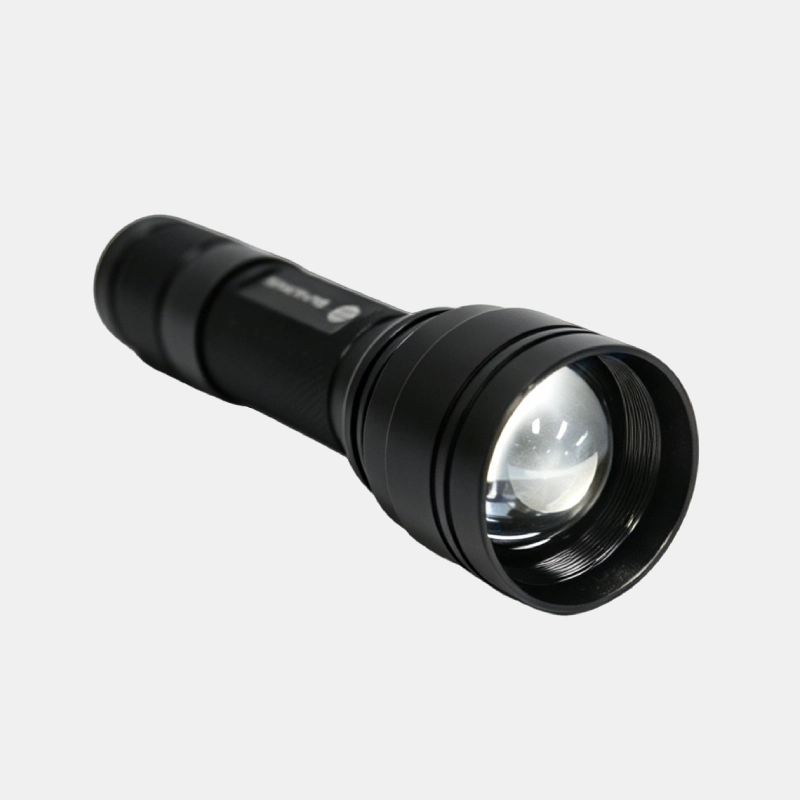
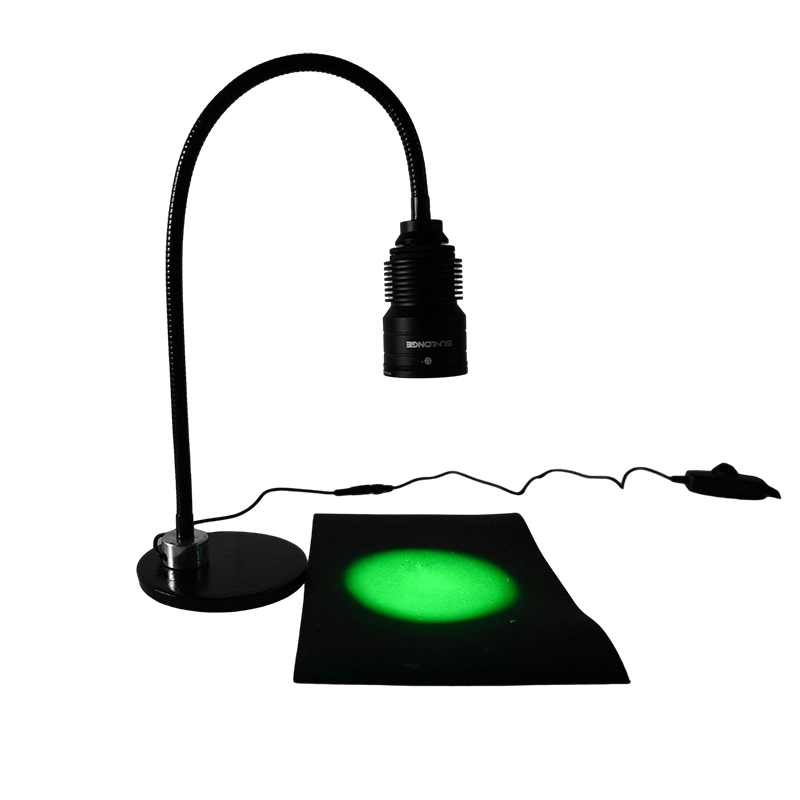
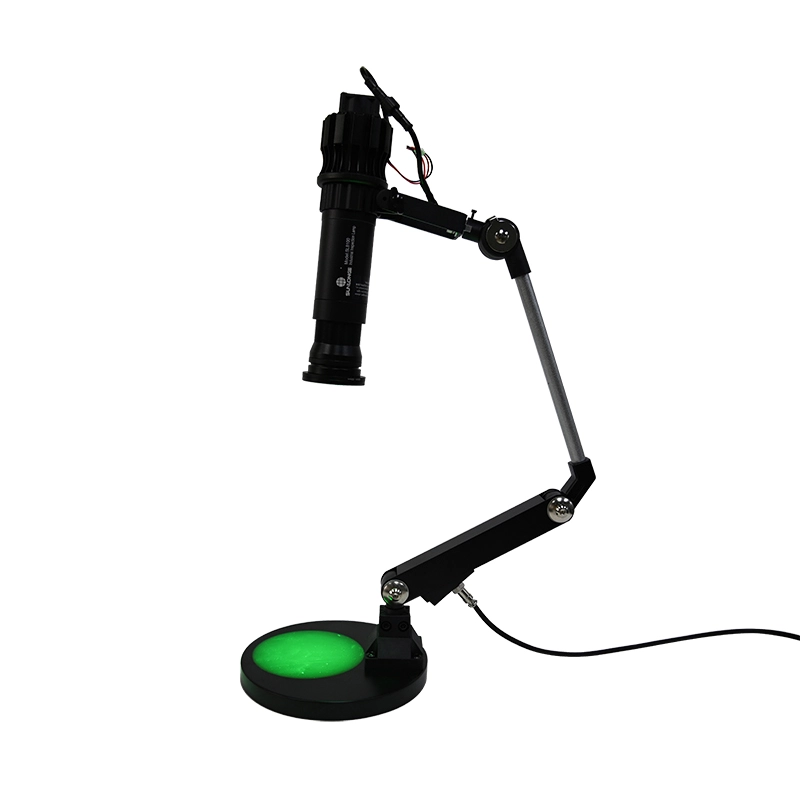
- Wavelength: 365 nm UV-A output. Avoid “blacklight” bulbs that emit visible violet light.
- Power: 10 to 100 watts LED equivalent. Higher power for large areas or daylight inspections.
- Beam pattern: Spot beam for pinpointing, flood beam for scanning large surfaces.
- Battery life: Cordless lamps should run at least 2 hours on a charge.
- Durability: Industrial environments need rugged, water-resistant housing.
A 50-watt LED UV lamp is a good starting point for most industrial applications. It provides enough intensity to see dye fluorescence from several feet away, even in lit areas.
Injection and Accessory Tools
For closed systems, a dye injector tool allows injection under pressure without losing fluid or introducing air. For refrigerant systems, a manifold-compatible injector connects to the service port. For hydraulic reservoirs, a simple funnel and measured bottle work.
Cleaning supplies include dye cleaner solution or isopropyl alcohol for wiping external residue. UV-blocking safety glasses are mandatory. Some technicians also use a portable UV viewer or camera attachment for documenting leaks in hard-to-photograph areas.
Building a Kit
A basic industrial dye detection kit contains:
- One bottle each of oil-based and water-based dye
- A 50-watt LED UV lamp with 365 nm filter
- UV-blocking safety glasses
- Dye injector tool
- Cleaning wipes
- Chalk or marking pens
- Carrying case
This kit handles 80 percent of industrial leak detection scenarios. Add refrigerant dye and a refrigerant injector for HVAC work, or pool dye for aquatic facility inspections.
Putting It All Together
UV fluorescent leak detection dye turns an invisible problem into a visible one. It works because the science is simple: dye molecules absorb UV light and emit visible light, creating a bright marker at leak points. The technology scales from small automotive AC systems to refinery-wide hydrocarbon loops.
The real value is not just finding leaks, but finding them early, when they are cheap to fix and before they cause secondary damage. A proactive dye program costs less per year than a single major leak repair. It keeps systems running, reduces fluid waste, and cuts energy costs from compensating for lost pressure or flow.
Start with one system: the hydraulic unit that always seems low on oil, the cooling tower that uses more water than evaporation explains, or the refrigerant circuit that needs topping off every few months. Inject the right dye, circulate, and scan. The leaks will show themselves. Fix them, document the savings, and expand to the next system.
FAQ
How long does UV fluorescent dye stay active in a system?
Industrial-grade UV dyes remain chemically stable and fluorescent for the life of the fluid. In closed-loop systems with no leaks, the dye concentration remains effective for years. The only factors that reduce dye concentration are leaks that remove dyed fluid, or fluid changes that replace the dyed fluid with fresh fluid. Dye does not degrade from heat, pressure, or normal system operation within the manufacturer’s specified temperature and chemical ranges.
Can UV dye be used in potable water systems or food processing equipment?
Yes, but only with dyes specifically certified for those applications. NSF/ANSI Standard 61 certification ensures the dye is safe for incidental contact with drinking water. For food processing, dyes must meet FDA regulations for indirect food contact. These certified dyes use fluorescent compounds that are non-toxic and do not affect taste, odor, or water quality. Always verify certification before using dye in potable water or food-grade systems.
What is the smallest leak that UV dye can detect?
UV dye can reveal leaks that release fluid at rates as low as one drop per hour. The detection limit depends on the dye concentration, UV lamp power, and inspection conditions. In practice, technicians regularly find leaks that lose less than 10 milliliters per day—leaks that would take months to show on a fluid level gauge and would never be found by visual inspection alone. The dye accumulates at the leak site over time, making even extremely slow leaks visible.