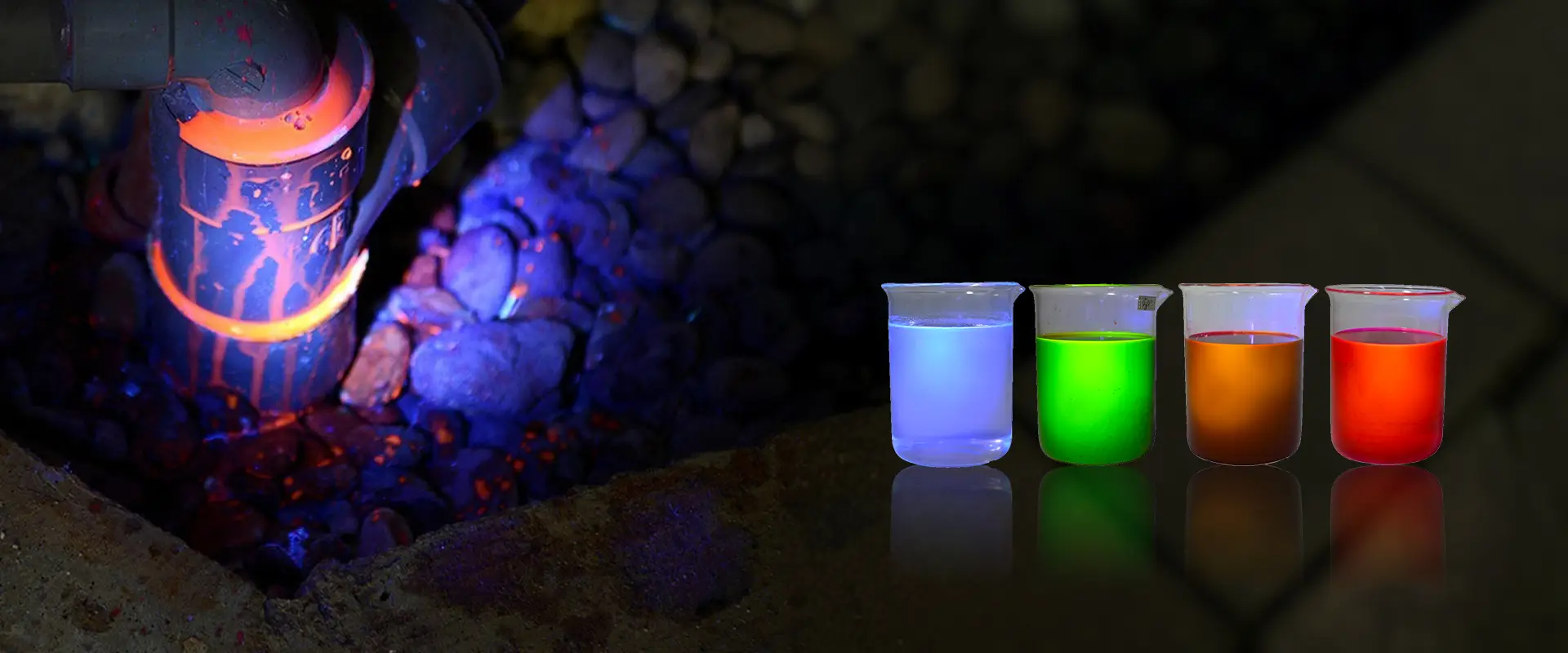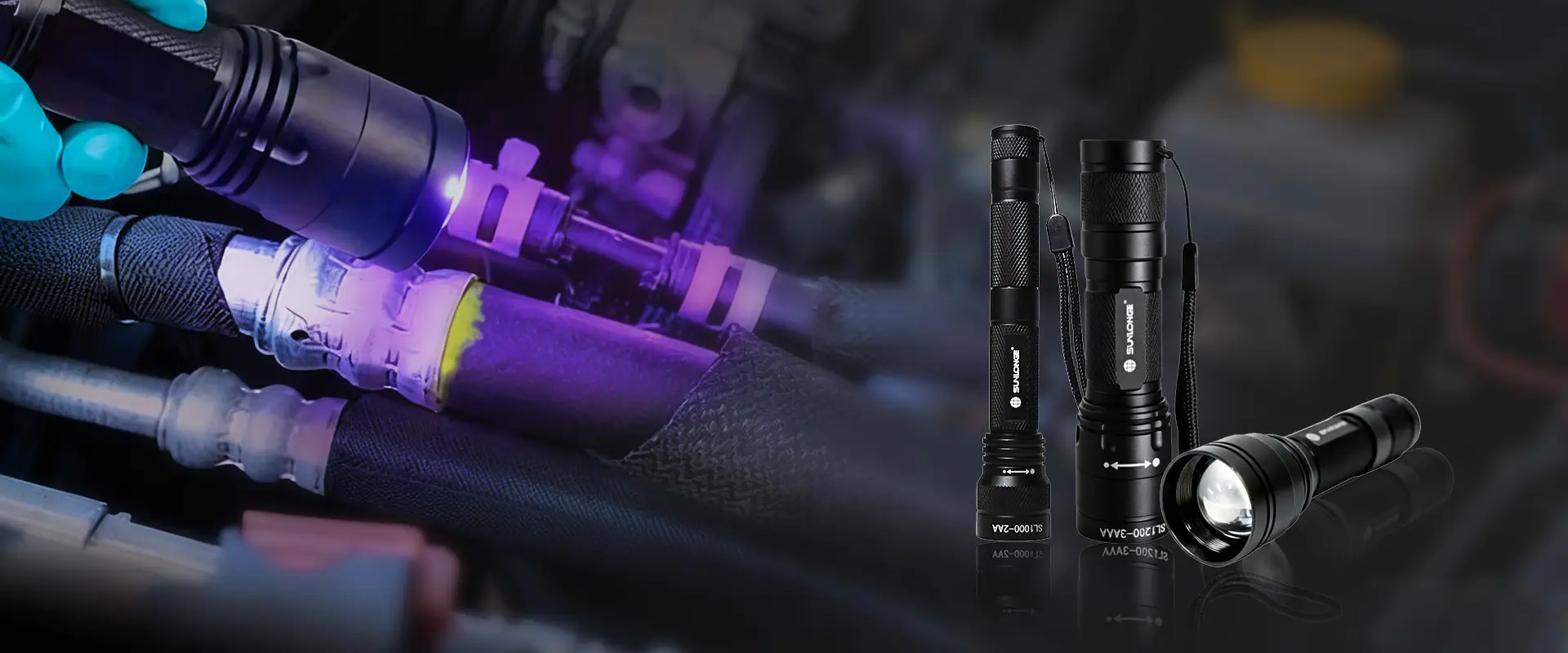
Swimming pools can lose water for many reasons, but not every drop is caused by evaporation or normal splash-out. For pool owners, service technicians, and facility managers, identifying the exact source of a leak quickly can save time, reduce repair costs, and prevent structural damage. That is where dye testing becomes an essential diagnostic tool.
Swimming pool leak detection dye is a concentrated, visible tracer used to help pinpoint the source of water loss in a pool, spa, or fountain. When released near a suspected leak area, the dye moves with the water flow, making it easier to see whether water is escaping through a crack, fitting, seam, or damaged component.
In this guide, we’ll explain how the dye works, where it is used, and how to apply it effectively for accurate leak detection.

What Is Swimming Pool Leak Detection Dye?
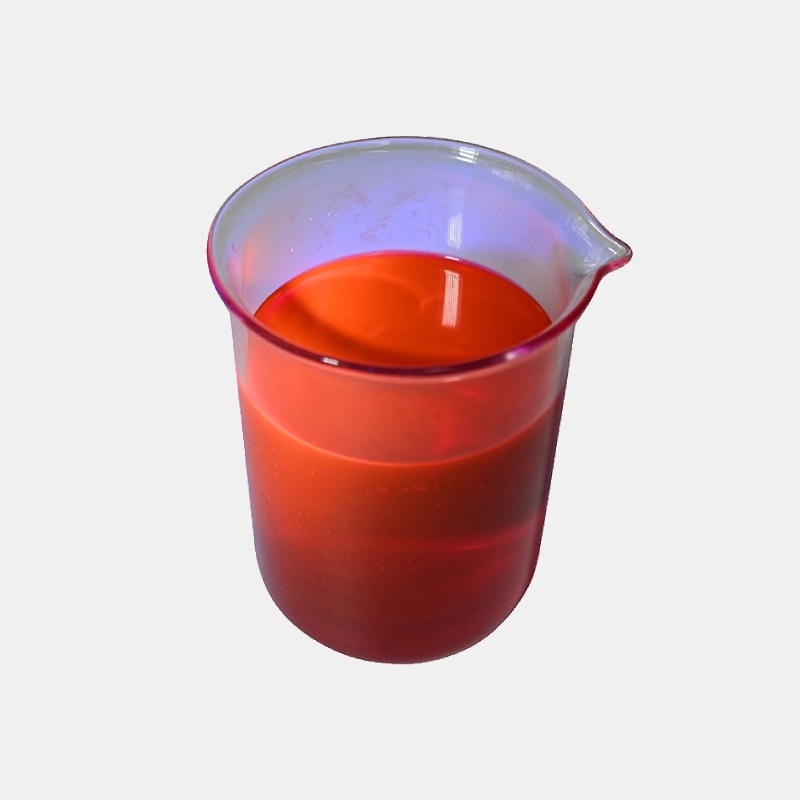
Swimming pool leak detection dye is a highly visible liquid used to trace water movement around suspected leak points in pool systems. It is designed to be released in small amounts near fittings, returns, drains, cracks, or seams so technicians can observe whether the water current pulls the dye into a leak path.
Unlike general-purpose coloring agents, a Swimming Pool Leak Detection Dye is formulated for diagnostic use. It is typically concentrated enough to be visible in clear water, yet controlled enough to allow precise observation without clouding the pool. This makes it useful for both routine inspections and more complex leak investigations.
What makes it different from ordinary dye?
The main difference is function. Ordinary coloring products are meant to stain or tint water broadly, while diagnostic dye is meant to highlight movement. In leak testing, the goal is not to color the whole pool but to watch how a small plume behaves near a suspected defect.
This distinction matters because an effective leak test depends on visibility and control. If the dye spreads too quickly, it becomes difficult to determine whether water is being drawn into a leak or simply mixing with surrounding water. Diagnostic formulations are designed to improve precision, especially in areas with low flow.
How Does Swimming Pool Leak Detection Dye Work?
Swimming pool leak detection dye works by following the path of water. When the dye is introduced near a suspected leak, the water current pulls it toward areas of pressure difference, cracks, or openings. If the dye is drawn into a surface defect or fitting, it strongly suggests that water is escaping at that point.
In most pool leak tests, the water is kept as still as possible. This allows the technician to observe subtle movement clearly. If the dye drifts away from the target area, it may indicate no leak there. If it is sucked inward, the exact source becomes easier to identify.
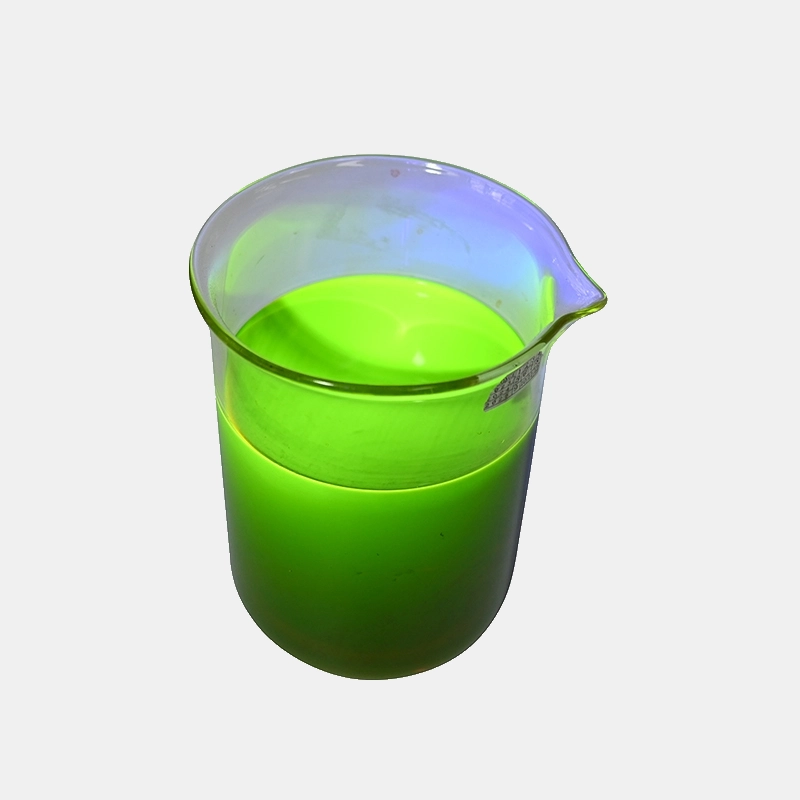
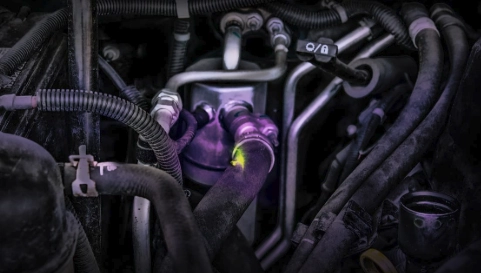
The science behind the visual test
The process depends on fluid dynamics. Water naturally moves from higher pressure to lower pressure, and even small openings can create noticeable flow patterns. When dye is placed nearby, it behaves as a tracer that reveals those hidden currents.
This is especially useful because many pool leaks are too small to see directly. A crack in a tile line, a gap around a return fitting, or a failing gasket may not be obvious during visual inspection. The dye creates contrast, turning an invisible water movement into a visible signal.
According to the U.S. Environmental Protection Agency, water loss from leaks can add up significantly over time, making early detection important for conservation and cost control. See: EPA WaterSense
Where Is Leak Detection Dye Used in Pool Systems?
Leak detection dye can be used in many parts of a pool system, especially where water frequently moves through seams, penetrations, or mechanical connections. It is useful for surface inspections as well as component-level testing.
Common test locations
|
Area to Inspect
|
Why It Matters
|
What the Dye Can Reveal
|
|---|---|---|
|
Skimmers
|
Common leak point due to old seals or cracks
|
Dye may move into the skimmer throat or behind the faceplate
|
|
Return fittings
|
Pressure-side leaks often appear here
|
Dye can be drawn into a faulty fitting or damaged seal
|
|
Main drains
|
Cracks or loose covers may allow leakage
|
Dye may flow into an opening beneath the drain
|
|
Tile lines
|
Hairline cracks can be difficult to detect
|
Dye can show directional movement into a fracture
|
|
Light niches
|
Seal failures may cause hidden leaks
|
Dye may be pulled into the housing
|
|
Steps and benches
|
Stress cracks can develop over time
|
Dye can highlight subtle openings in the surface
|
Why location matters
Not every leak behaves the same way. A suction-side leak, for example, may draw dye inward more aggressively when the system is operating. A structural crack may show a slower but steady pull. Because of this, technicians often test multiple areas one by one rather than adding dye to the whole pool.
In many cases, professionals also combine dye testing with other methods such as pressure testing or equipment inspection to confirm the source of water loss. The dye is most effective when used as part of a broader diagnostic approach.
When Should You Use Leak Detection Dye?
Leak detection dye is most useful when you suspect a leak but do not yet know exactly where it is coming from. It is a targeted diagnostic tool rather than a full-system repair solution.
Situations where dye testing is especially helpful
-
Water loss exceeds normal evaporation
-
The pool needs frequent refilling
-
Air is entering the pump system
-
Wet spots appear around the deck or equipment area
-
A specific fitting or seam looks damaged
-
The water level drops faster when the system runs
If the pool loses water only when the pump is on, the issue may be related to a pressure-side component. If the loss continues even when the system is off, the source may be structural or located below the waterline. Dye testing helps narrow down these possibilities.
For facilities that manage multiple water systems, a UV Dye can also be useful in other tracing applications where visibility and precision are required. However, for pool leak detection, the key value is always the same: making hidden water movement visible.
How to Use Swimming Pool Leak Detection Dye Correctly
The dye test is simple in concept, but accuracy depends on careful application. Small mistakes, such as disturbing the water or using too much dye, can lead to unclear results.
Step-by-step application process
-
Turn off pumps and circulation if possible
Still water makes it easier to observe dye movement. If the test must be done with the system running, note how current may affect results. -
Position yourself close to the suspected area
Get the applicator tip near the spot being tested, such as a return fitting, drain cover, or crack. -
Release a small amount of dye
Use only enough to create a visible plume. A slow, controlled release gives the clearest reading. -
Watch the direction of movement
If the dye is drawn into a crack, seam, or fitting, that area should be flagged for repair or further confirmation. -
Repeat in nearby sections
Test adjacent areas one at a time to isolate the exact source.
Best practices for accurate results
-
Work in calm water whenever possible
-
Avoid making waves before the test
-
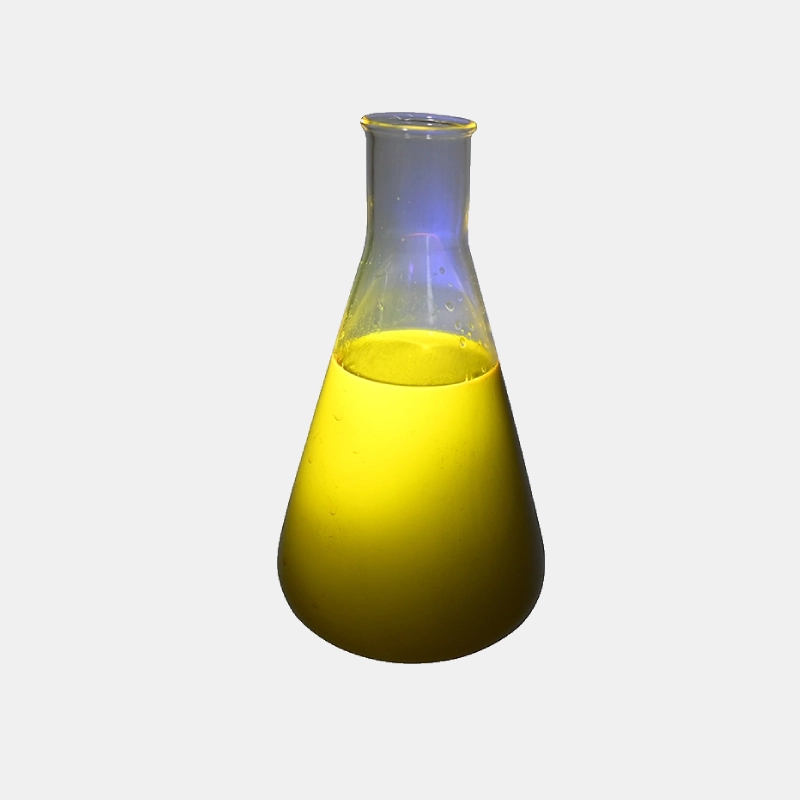
Use a contrasting dye color for clear visibility
-
Test one location at a time
-
Confirm suspicious areas with a second method
A common mistake is treating the dye test as proof of a leak by itself. In reality, it is best viewed as a diagnostic indicator. When dye consistently moves into one point, that location is likely compromised, but final repair decisions should still be based on overall inspection and system knowledge.
What Are the Advantages of Using Leak Detection Dye?
Leak detection dye offers a fast, low-cost, and non-destructive way to investigate suspected leaks. It can often narrow down the problem in minutes, which is especially useful for pools with multiple possible failure points.
Key benefits
|
Benefit
|
Why It Matters
|
|---|---|
|
Fast diagnosis
|
Helps identify leak-prone areas quickly
|
|
Non-invasive
|
No drilling or disassembly needed for the initial test
|
|
Cost-effective
|
Reduces unnecessary labor and guesswork
|
|
Easy to use
|
Can be applied with basic training
|
|
Highly visual
|
Makes subtle water movement visible
|
|
Versatile
|
Useful on pools, spas, fountains, and water features
|
Why professionals rely on it
Pool technicians often prefer dye testing because it helps confirm a suspicion before committing to more time-intensive repairs. Instead of replacing a part based on guesswork, they can observe the leak behavior directly. This improves service efficiency and can reduce repeat visits.
For commercial pools, where downtime is expensive, that efficiency matters even more. A simple dye test can help maintenance teams prioritize repairs, document findings, and communicate more clearly with clients or facility managers.
What Are the Limits of Dye Testing?
While dye testing is valuable, it does have limitations. It works best for surface-level or visible-water-path investigations. It is less effective for leaks located deep in underground plumbing or in areas with strong uncontrolled circulation.
Common limitations
-
It may not reveal leaks in buried pipes
-
Strong currents can distort the result
-
Very small leaks may require repeated testing
-
Cloudy or stained water can reduce visibility
-
Wind and splash-out can complicate outdoor tests
That is why leak detection dye should be used as part of a complete troubleshooting process. If a pool is losing water but no surface defect is found, technicians may need pressure testing, isolation testing, or equipment inspection to locate the problem accurately.
For more technical information on water system diagnostics, authoritative resources such as the Pool & Hot Tub Alliance can be helpful for maintenance standards and best practices.
How Do You Choose the Right Dye for Pool Leak Detection?
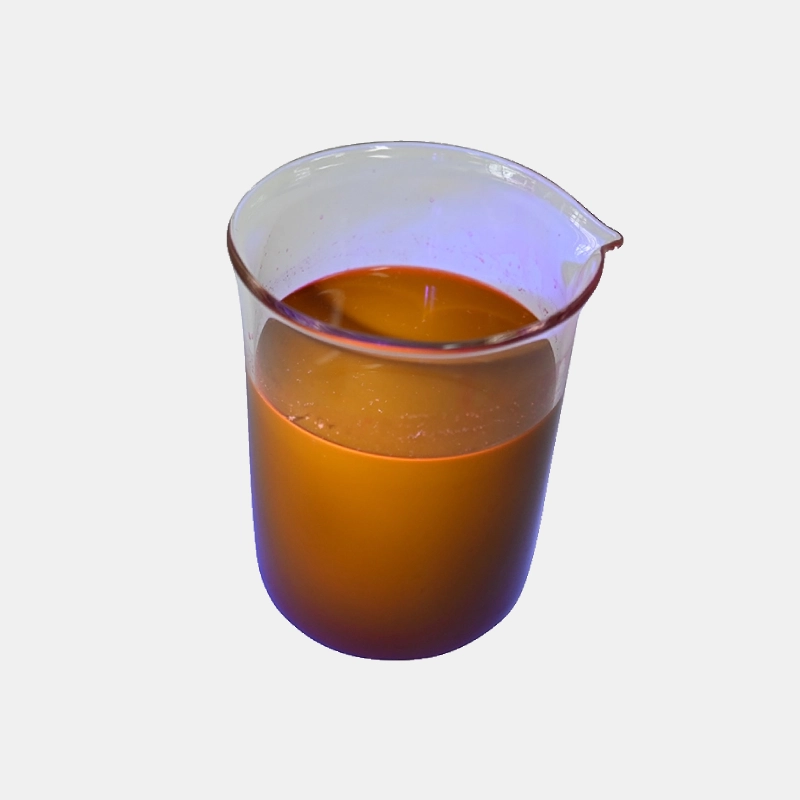
The right product should be visible, easy to control, and suitable for water-based diagnostic work. In professional settings, users often look for dyes that disperse predictably and do not leave unwanted residue.
Selection criteria
-
High visibility in clear water
-
Controlled dispersion
-
Compatibility with pool water conditions
-
Ease of application
-
Appropriate concentration for small-area testing
When evaluating a Leak Detection Dye for Swimming Pool, professionals often consider whether the dye allows precise targeting near fittings and seams. For broader tracing needs, a more general-purpose UV Dye may be selected when ultraviolet visibility is important for other inspection workflows.
In practice, the best dye is the one that gives consistent visual feedback without interfering with the water system or the inspection process.
Is Leak Detection Dye Safe for Pool Use?
In general, diagnostic dyes intended for water tracing are designed for controlled use in aquatic environments. However, safety depends on following the product instructions and using the correct amount.
Safety considerations
-
Use only as directed by the manufacturer
-
Avoid over-application
-
Keep the pool chemistry within normal operating range
-
Store the product properly
-
Rinse applicators after use if recommended
Because pools are used by people and may have filtration or disinfection systems, it is important to choose a dye designed for the intended application. Always check compatibility with the pool’s maintenance protocol before use.
Why Swimming Pool Leak Detection Dye Remains a Practical Tool
Swimming pool leak detection dye remains popular because it solves a simple but important problem: making hidden water movement visible. For technicians and pool owners, that visibility can save time, reduce unnecessary repairs, and improve confidence in the diagnosis.
It is not a replacement for every other leak detection method, but it is one of the easiest and most efficient ways to start the investigation. Whether the concern is a small crack, a failing seal, or a suspicious fitting, a carefully applied dye test can point directly to the issue.
Used correctly, this tool turns uncertainty into a clear next step. That is why it continues to be a standard part of professional pool maintenance and inspection workflows.
FAQ
1. Can swimming pool leak detection dye work in cloudy water?
Yes, but visibility is reduced. Clear, calm water produces the most accurate results because the dye plume is easier to observe.
2. Does dye testing replace pressure testing?
No. Dye testing is a visual diagnostic method, while pressure testing is used to evaluate plumbing lines more deeply. They are often used together.
3. How long does a dye test take?
Most spot tests take only a few minutes per location, but a full inspection may take longer if multiple areas need to be checked.