Industrial facilities lose an estimated 20 to 30 percent of their compressed air and fluid systems to leaks every year. In a mid-sized manufacturing plant, that can mean tens of thousands of dollars disappearing into thin air, or worse, into the ground where nobody sees it. The problem gets worse when you consider that most leaks start small enough to go unnoticed for weeks or months before anyone catches them.
What is a leak detection solution? It is a systematic approach that combines testing methods, equipment, and procedures to find, verify, and track leaks in industrial fluid and gas systems before they cause damage, waste, or downtime. A real solution goes beyond just having a tool in the toolbox. It means having the right technology for the specific fluids and environments involved, a trained team that knows how to use it, and a process for documenting and acting on what gets found.
That may sound like a big investment, but the math works out fast when you compare it to what undetected leaks cost. This guide walks through the full picture: what counts as a detection solution, what technologies are available, how different industries apply them, and what it takes to build a program that stops leaks before they stop production.
What Counts as a Leak Detection Solution in Industry
A leak detection solution is the full set of equipment, methods, and procedures an industrial facility uses to locate, verify, and document leaks across its fluid and gas systems. It is not just a single device. It is a repeatable process that produces reliable results across different system types and operating conditions.
Many maintenance teams already own a detection tool or two. What separates a full solution from a drawer full of gadgets is whether the team can answer three questions consistently for every system they are responsible for: Where are the leaks? How big are they? What gets fixed first?
The most effective leak detection solutions share a few core components. There is the detection method itself, chosen for the specific fluid and system conditions. There is a way to verify findings so the team does not waste time chasing false positives. And there is a documentation system that tracks what was found, what got fixed, and when the next check is due.
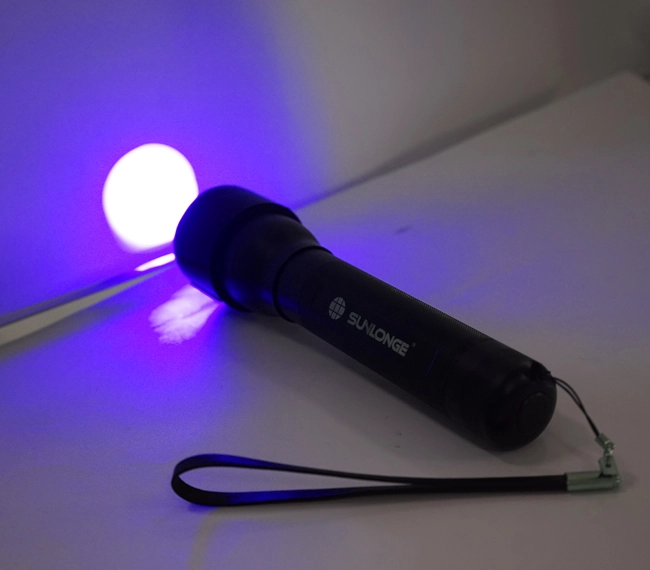
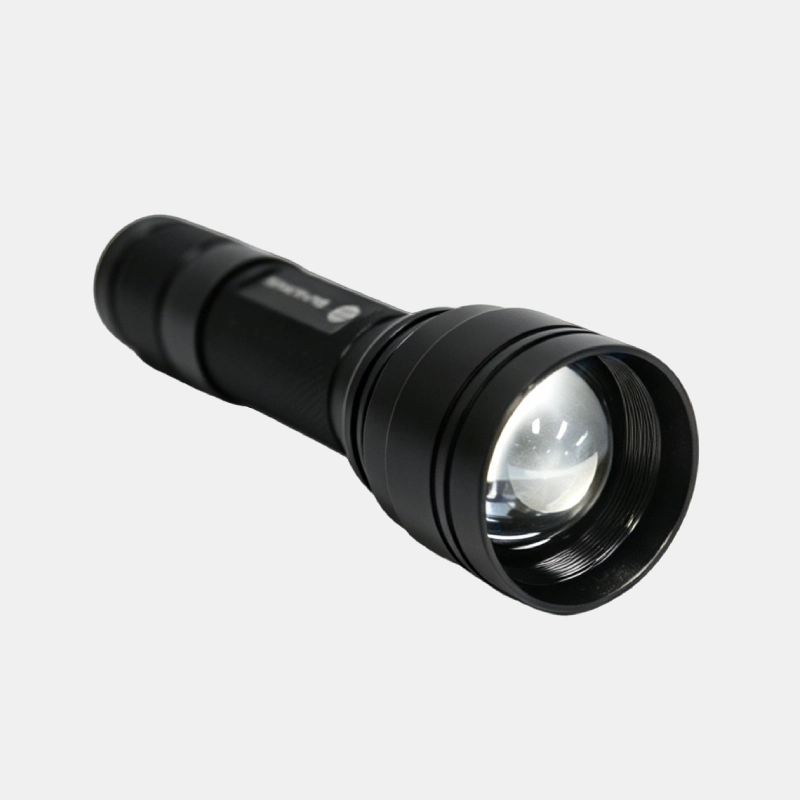
A single UV flashlight in a maintenance closet is a tool. That same flashlight used with the right fluorescent dye, a trained technician who knows where to look, and a checklist that feeds into a maintenance schedule: that is a solution. The difference shows up in how much the team finds and how much stays hidden.
Why “Tool” and “Solution” Are Not the Same Thing
It is easy to confuse buying equipment with solving a problem. A plant manager might approve the purchase of an acoustic leak detector and feel like the issue is handled. Six months later, the same compressor room is still hissing and the water bill has not budged.
The gap is almost never the equipment. It is everything around it. The technician was not trained on what the readings mean. The detector sits in a locked cabinet because nobody knows whose job it is to use it. The last inspection report is a sticky note that fell behind the workbench.
A proper solution closes those gaps. It defines who runs the inspections, how often, and with what equipment for which systems. It trains people not just on how to operate the device, but on what the results tell them to do next. It builds detection into the regular maintenance rhythm instead of treating it as something that happens only after a problem is obvious.
The High Cost of Undetected Leaks in Industrial Systems
Undetected leaks drain industrial systems in four ways: direct product loss, inflated energy costs, premature equipment wear, and compliance risk. A single compressed air leak the size of a pencil tip can waste over $500 in electricity per year. In facilities with hundreds of potential leak points, the annual loss from unnoticed leaks can reach six figures before anyone sees a puddle on the floor.
The numbers are hard to ignore once you break them down by system. Compressed air systems are the worst offenders. The U.S. Department of Energy estimates that leaks waste 20 to 30 percent of compressed air output in a typical plant. For a system running a 200-horsepower compressor around the clock, that translates to roughly $15,000 to $25,000 in wasted electricity every year, just from air that never does any useful work.
Fluid leaks carry a different set of costs. Hydraulic oil leaking from a press or injection molding machine is not just lost fluid. It is a slip hazard. It contaminates finished products. It attracts fines if it reaches storm drains. A slow coolant leak in a machining center might only drip a few gallons a week, but the real price comes when the coolant-to-water ratio drifts out of spec and the tooling wears out months early.
Industrial leak detection programs exist because these costs compound silently. One undetected leak on a heat exchanger might cost a few hundred dollars in lost water and chemicals. Ten undetected leaks across a facility, running for six months before the next scheduled shutdown, can add up to numbers that catch the CFO’s attention.
Safety and Compliance: The Hidden Multipliers
Cost is the easy part to measure. What is harder to put on a spreadsheet is what happens when a leak creates a safety incident or triggers a regulatory violation.
A refrigerant leak in a cold storage facility does not just hurt the cooling bill. Under EPA regulations, facilities with systems holding 50 pounds or more of refrigerant must track and repair leaks that exceed certain thresholds. Ignoring a slow R-404A leak until it trips the annual leak rate limit can mean mandatory reporting, repair deadlines, and potential fines.
Chemical processing plants face even tighter oversight. A leaking flange on a steam line might look trivial until superheated condensate finds an electrical panel or an operator walking by. The cost of the lost steam is a rounding error compared to the cost of an injury or a shutdown order.
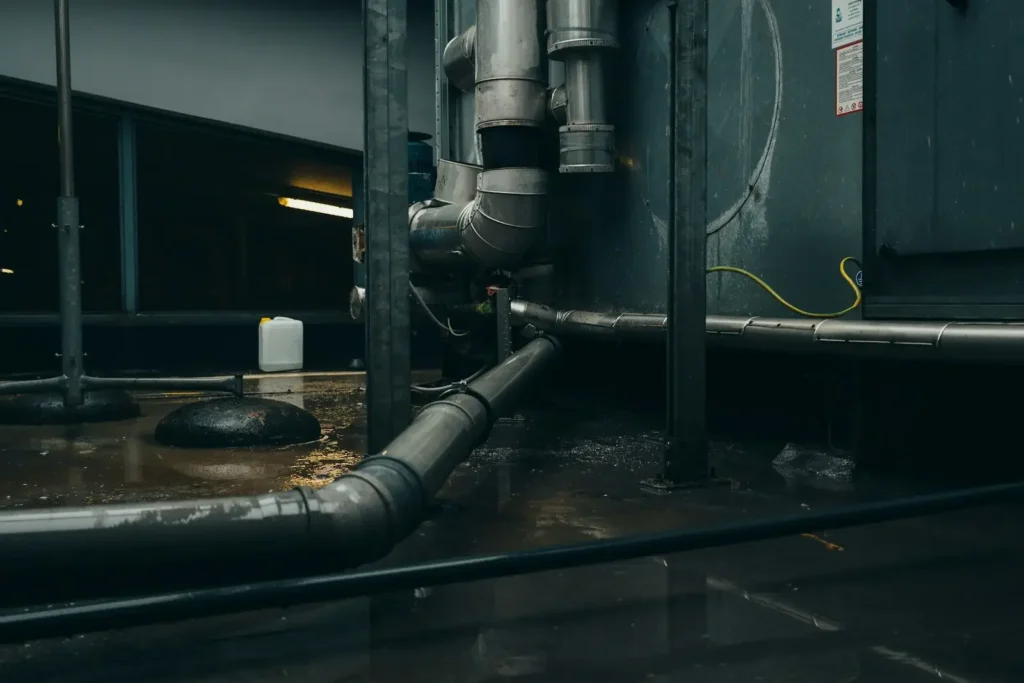
What makes industrial leaks especially dangerous is that the worst ones are often the ones you cannot see. A gas leak in a confined space. A slow fuel leak pooling underground. A high-pressure hydraulic mist that ignites on contact with a hot surface. Detection technology exists precisely because waiting until you can see the problem is waiting too long.
Core Technologies Behind Modern Leak Detection
Modern leak detection relies on three main technology groups: tracer-based methods using UV fluorescent dyes, acoustic and ultrasonic sensors, and electronic gas detectors. Each approach works best under different conditions. UV dye detection handles liquid systems where visual access is possible. Acoustic methods excel at finding compressed air and gas leaks in noisy environments. Electronic detectors are the go-to for refrigerant and combustible gas leaks.
Choosing the right detection method for a specific application makes the difference between finding every leak and wasting hours on false leads. Most industrial facilities end up using a combination of these technologies, matching the method to the system.
| Technology | Best Application | Detection Speed | Cost per Inspection | Skill Required |
|---|---|---|---|---|
| UV fluorescent dye | Liquid systems (oil, coolant, fuel, water) | Moderate | Low | Basic |
| Ultrasonic/acoustic | Compressed air, steam, gas under pressure | Fast | Moderate | Moderate |
| Electronic gas sniffer | Refrigerant, combustible gas, specific chemicals | Fast | High | Moderate |
| Pressure decay testing | Isolated pipe sections, vessels | Slow | Low | Basic |
| Thermal imaging | Steam traps, insulated lines, building envelope | Fast | High | High |
UV Fluorescent Dye: The Workhorse for Liquid Systems
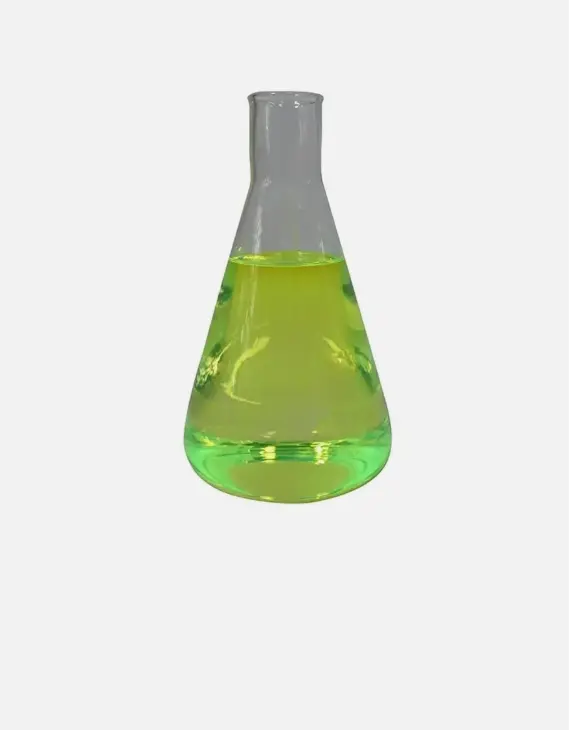
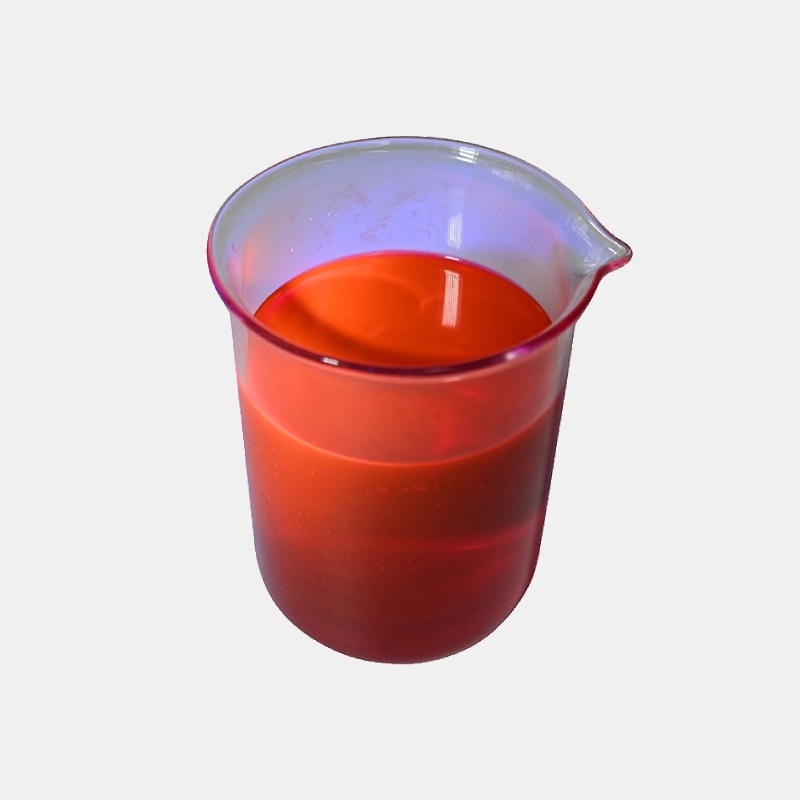
UV fluorescent dye has been a staple in industrial maintenance for decades, and for good reason. The concept is simple: inject a small amount of dye into the system, circulate it, and scan with a UV light. Wherever there is a leak, the dye escapes with the fluid and glows bright under ultraviolet light.
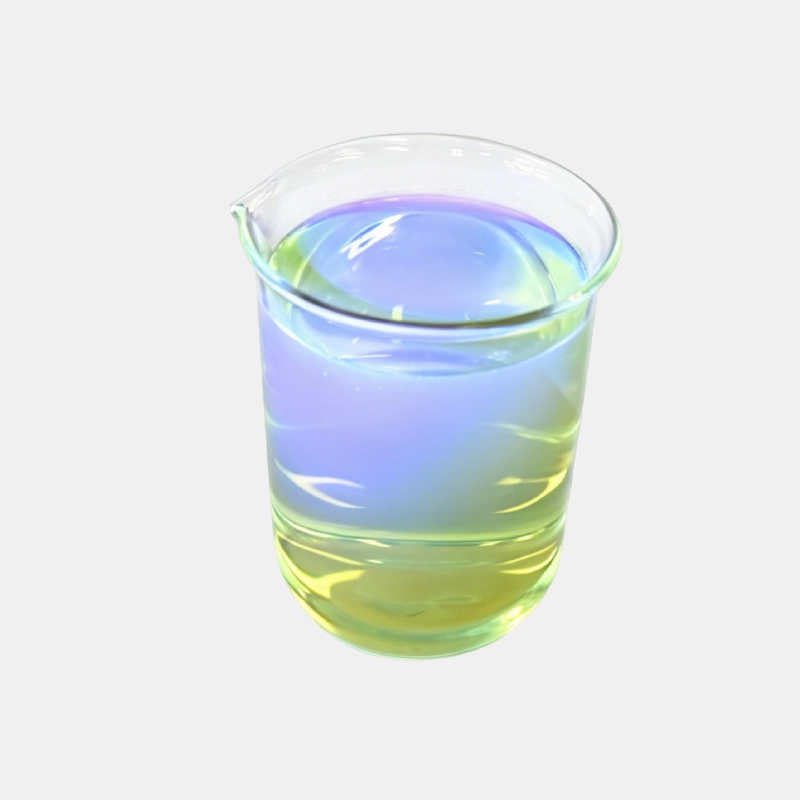
What makes this method so reliable is that it produces a visual result. The technician does not need to interpret a waveform or trust a sensor reading. They see a glowing green or yellow spot and they know exactly where the leak is. No guessing, no digging up the wrong section of pipe.
A fluorescent dye kit typically includes the dye itself, a UV leak detection light, and safety glasses tuned to the dye’s fluorescence wavelength. The dye is compatible with most industrial fluids including petroleum-based oils, synthetic lubricants, water-glycol mixtures, and fuels. Once injected, the dye stays in the system indefinitely, which means subsequent inspections take less time because the dye is already there.
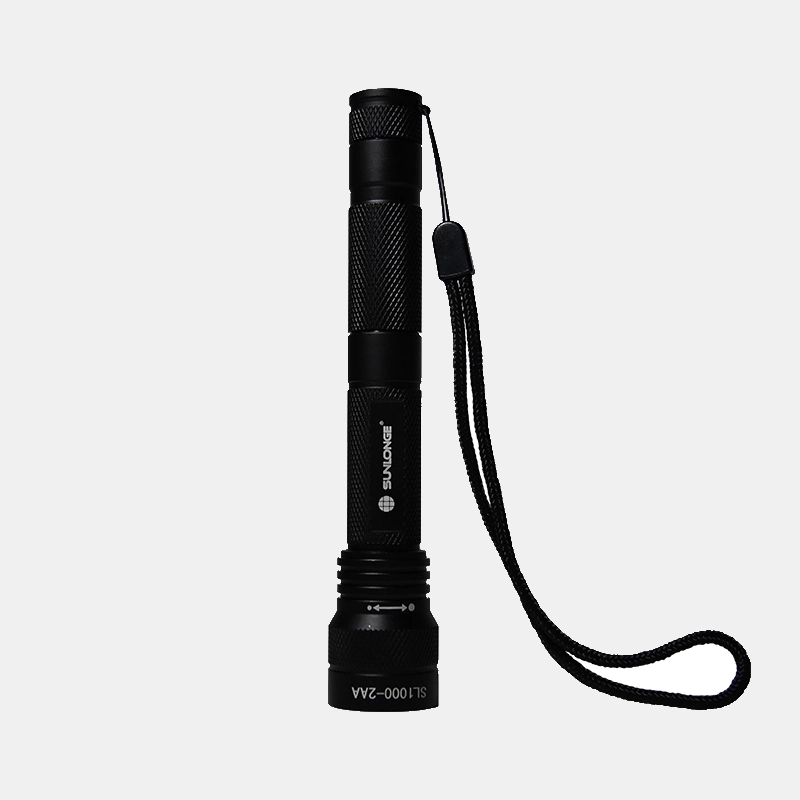
The main limitation is access. If the leaking component is buried behind insulation or inside a machine housing, the UV light cannot reach it. That is where the other technologies come in.
Acoustic and Ultrasonic Detection for Pressurized Systems
When air or gas escapes under pressure, it produces sound across a wide frequency range. Much of that sound sits in the ultrasonic band, above what human ears can detect. Ultrasonic detectors convert those high-frequency signals into audible tones and display the intensity on a meter.
This method shines in compressed air audits. A technician can walk through a plant with an ultrasonic detector and pinpoint leaks in overhead piping, behind equipment, and in areas too noisy for human hearing to be useful. The detector does not care about background noise in the audible range because it is listening in a completely different frequency band.
The trade-off is that ultrasonic detection requires some skill to use well. Background noise in the ultrasonic range, from machinery bearings or steam flow for example, can mask leak signals. An experienced technician learns to distinguish the turbulent rush of a leak from the steady whine of a running pump.
Electronic Gas Detection for Targeted Applications
For refrigerant systems, natural gas lines, and process gas handling, electronic detectors are the standard choice. These devices use heated diode, electrochemical, or infrared sensors to detect specific gas molecules in the air. They are sensitive enough to find leaks that would take weeks to show up on a pressure gauge.
The main cost consideration with electronic detectors is the sensor itself. Sensors have a finite lifespan, typically one to three years, and need periodic calibration. A facility that only checks refrigerant systems twice a year might find the per-inspection cost higher than with dye or ultrasonic methods. But for the gases these detectors target, there really is no substitute for the sensitivity and speed they provide.
How Industries Apply Leak Detection Solutions
Different industries face different leak profiles, and their detection strategies reflect that. An HVAC service contractor needs portability and speed. A chemical plant needs methods that are safe around hazardous materials. A municipal water system needs equipment that works on large-diameter buried pipe. The underlying technology might be similar, but how it gets deployed varies widely across sectors.
HVAC and Refrigeration
HVAC leak detection for commercial and industrial systems has become more critical as refrigerant costs rise and environmental regulations tighten. The phase-down of high-GWP refrigerants under the AIM Act means that R-410A, R-404A, and other common refrigerants are getting more expensive every year. A leak that cost $200 to top off in 2020 might cost $600 today for the same amount of refrigerant.
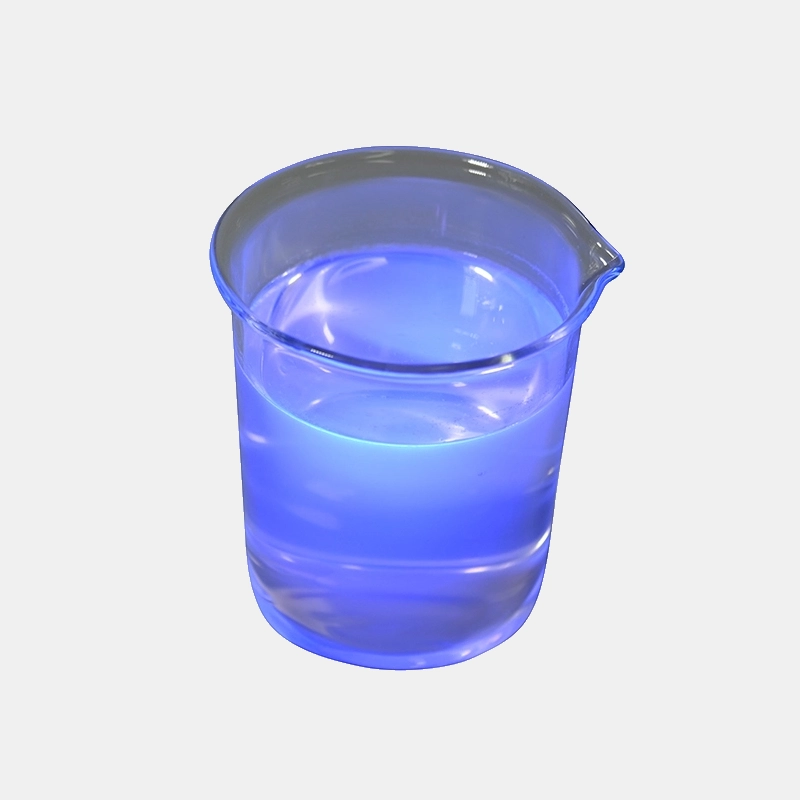
Most HVAC service teams run a two-step process. They start with an electronic sniffer or ultrasonic detector to narrow down the general area, then use UV dye and a detection light to pinpoint the exact leak location. The dye method is especially useful for rooftop units and split systems where the refrigerant lines run through walls, ceilings, and crawl spaces with limited access. Once the dye is in, the leak site glows under UV light and the technician can see exactly which fitting, coil, or valve needs repair.
Plumbing and Water Systems
Plumbing water systems in commercial buildings and industrial facilities present a different challenge. The leaks are often hidden: behind walls, under concrete slabs, or buried in the ground outside the building. Water travels along paths that make it hard to trace back to the source, and the visible evidence might be a wet spot on a ceiling two floors below the actual leak.
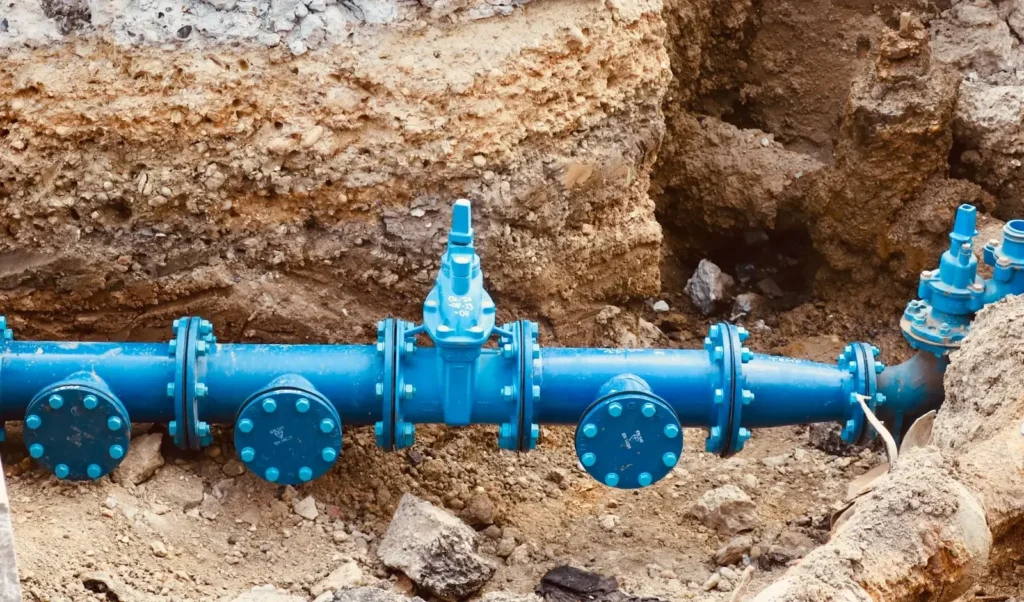
Fluorescent tracer dye is particularly effective for plumbing diagnostics. A technician introduces dye into the suspect line, flushes it through, and then checks downstream access points, drain outlets, and any areas showing water damage. The dye confirms which line is leaking and roughly where the break is, which saves the facility from tearing open walls or breaking concrete in the wrong place.
Swimming Pools and Water Features
Commercial pools lose water through evaporation, splash-out, and leaks. Telling the difference between normal water loss and a structural leak is the first diagnostic challenge. The bucket test helps: fill a bucket with pool water, set it on a step so the water levels match, and wait 24 hours. If the pool level drops more than the bucket level, there is a leak.
Once a leak is confirmed, swimming pool leak detection dye narrows down the location. The technician uses a dye syringe to release small amounts near suspected leak points: around lights, skimmers, returns, drains, and along the shell. The dye moves toward the leak, drawn by the water flow, and the technician watches for the telltale trail. This method works on concrete, fiberglass, and vinyl liner pools.
Industrial Process and Manufacturing
Manufacturing plants run multiple fluid systems that all need their own detection approach. A single facility might have hydraulic systems running at 3,000 psi, cooling water loops treated with corrosion inhibitors, lubricating oil circulating through gearboxes, and compressed air distributed across the entire plant floor.
These environments demand a mix of technologies. Ultrasonic detectors handle the compressed air audit. UV dye handles the hydraulic and lubrication systems. For cooling water loops, dye injection at the supply side lets the team check every heat exchanger, valve, and fitting along the loop during one inspection round.
Cooling Towers and Heat Exchangers
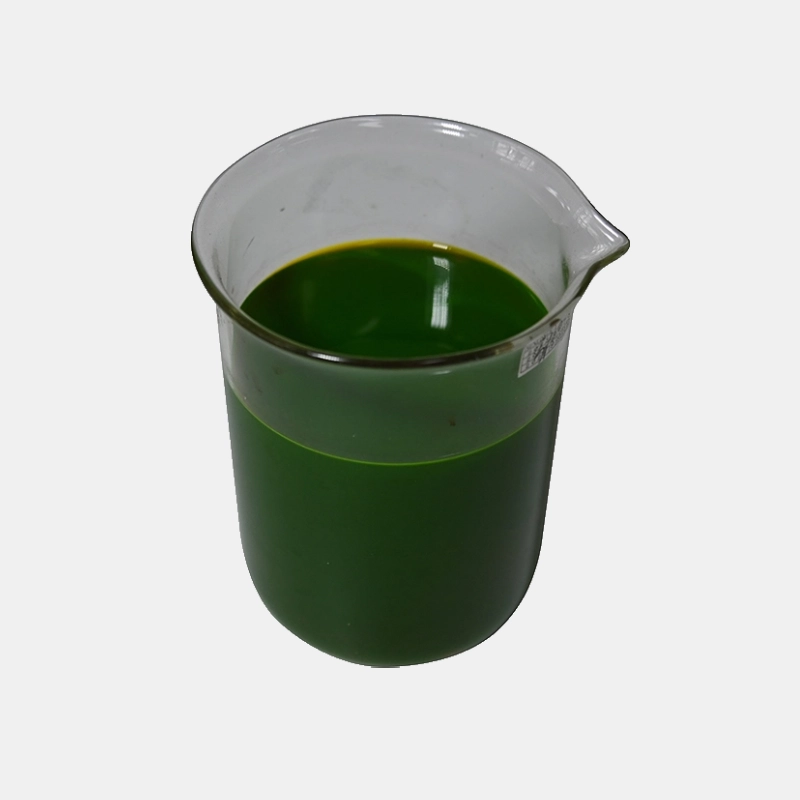
Cooling tower systems lose water through evaporation by design. When water loss exceeds what evaporation alone can explain, the plant has a leak somewhere in the circulation loop. The loop might run hundreds of feet through underground piping to reach multiple buildings or process units, making leak detection a needle-in-a-haystack problem without the right approach.
UV fluorescent dye injected into the cooling water supply circulates throughout the entire loop. Any leak point, whether it is a cracked pipe underground, a leaking heat exchanger tube, or a failed gasket at a flange, releases dye into the surrounding area. A UV inspection of the loop path reveals every active leak in a single pass.
Why Proactive Leak Detection Beats Reactive Repair
A proactive detection program catches leaks when they are small, inexpensive to fix, and have not yet caused secondary damage. Reactive repair waits until the leak announces itself, usually through a spike in utility bills, a system failure, or visible flooding. The cost difference between the two approaches is not small: by the time a leak is obvious, the repair cost is often three to five times higher than it would have been a month earlier.
The table below breaks down the cost difference across typical industrial leak scenarios.
| Scenario | Proactive Detection Cost | Reactive Repair Cost | Secondary Damage Risk |
|---|---|---|---|
| Compressed air leak (1/8") | $50 inspection + $20 fitting | $50 fitting + $800 wasted energy (6 months) | None |
| Hydraulic hose pinhole | $30 dye test + $150 hose replacement | $150 hose + $600 oil replacement + downtime | Fluid contamination, fire risk |
| Heat exchanger tube leak | $100 dye test + scheduled retubing | Emergency retubing + $5,000–$15,000 unplanned downtime | Product contamination, cooling loss |
| Underground water line crack | Dye injection + targeted excavation | Flooding repair + $10,000–$50,000 excavation | Foundation damage, mold |
| Refrigerant slow leak | $80 sniffer check + Schrader valve replacement | $80 valve + $400 refrigerant recharge + possible EPA reporting | Compressor damage from low charge |
The pattern repeats across every industry: the cost of finding a leak early is a fraction of the cost of dealing with what the leak does if you let it run.
The Maintenance Schedule Multiplier
The math gets even more lopsided when you factor in how maintenance gets scheduled. A proactive program integrates leak detection into planned maintenance windows. The plant already has staff on site, equipment is already offline or accessible, and the detection work piggybacks on existing procedures.
Reactive repair works the opposite way. A leak that forces an unplanned shutdown pulls people away from scheduled work. Overtime gets authorized. Parts get expedited. Production schedules slip. The direct repair cost is just one line item in an invoice that also includes lost throughput, rescheduled customer orders, and the ripple effects through the supply chain.
None of this is to say that reactive repair can be eliminated entirely. Some leaks will always catch you off guard. But a plant that finds 80 percent of its leaks through proactive detection instead of 20 percent is operating in a completely different cost structure. The savings go straight to the bottom line.
How to Choose the Right Leak Detection Solution
Picking a detection solution starts with three questions: what fluid are you trying to find, what are the system conditions, and how often do you need to inspect? Answer those and the technology choice becomes much clearer. Most facilities benefit from having two or three methods available rather than trying to make one do everything.
A compressed air system running 24/7 at 100 psi needs an ultrasonic detector and a scheduled audit cadence. A hydraulic system with 500 gallons of oil needs UV dye already circulating so inspections can happen during routine rounds. A refrigeration rack in a supermarket needs an electronic leak detector that a service tech can grab on every preventive maintenance visit.
The matrix below maps common industrial scenarios to the detection method that makes the most sense.
| Fluid / System | Best Detection Method | Why |
|---|---|---|
| Compressed air | Ultrasonic | Fast scanning, works at a distance, quantifies leak size |
| Hydraulic oil | UV fluorescent dye | Visual confirmation, dye stays in system, works on all system components |
| Refrigerant (CFC/HFC/HFO) | Electronic sniffer | Sensitivity to specific gases, required for EPA compliance checks |
| Water / glycol coolant | UV fluorescent dye | Safe for water-based fluids, bright fluorescence, low per-test cost |
| Natural gas / fuel gas | Electronic gas detector | Safety-critical, calibrated for combustible gas thresholds |
| Steam and condensate | Ultrasonic + thermal | Ultrasonic finds the leak, thermal imaging confirms trap failures |
| Underground water pipe | Dye tracer + correlation | Dye confirms which line leaks, acoustic correlation pinpoints distance |
| Pool / water feature | Dye syringe test | Low cost, works on all shell types, no special equipment needed |
Matching the Equipment to the Team
The best leak detection dye in the world will not help if the maintenance team does not know how to use it or when to reach for it. Before buying anything, take stock of who will do the inspections and what kind of training they need.
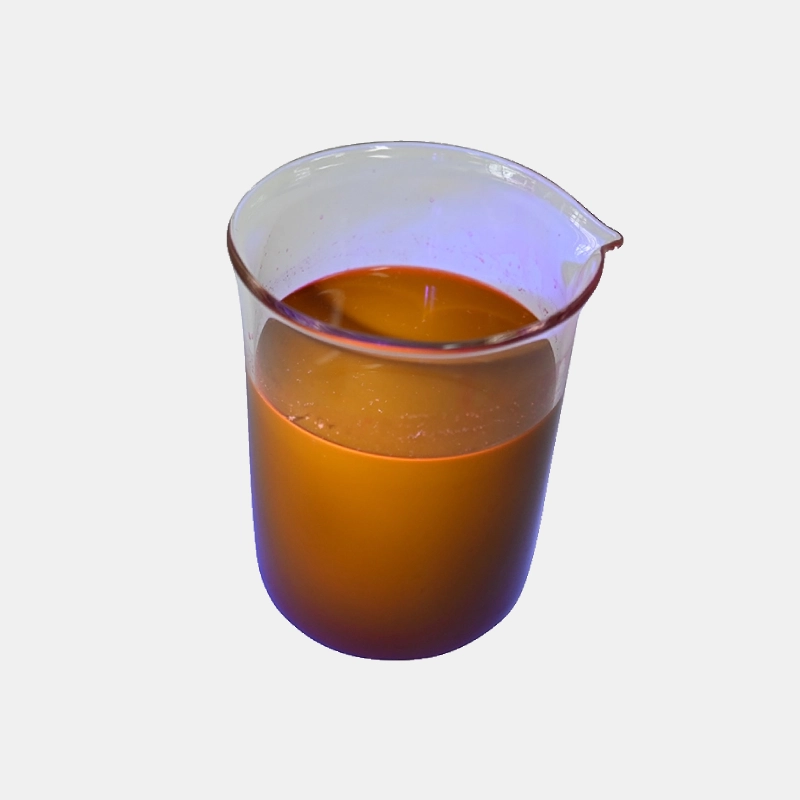
A facility with an experienced maintenance crew that already does regular rounds might add UV dye kits and a leak detection lamp to their existing routine with minimal disruption. The training is straightforward: inject the dye, run the system, scan with the lamp, mark the leaks. Most technicians pick it up in one session.
A facility without a structured maintenance program needs to solve the process problem before the technology problem. Start by building a simple inspection schedule for the highest-cost systems. Add one detection method at a time as the team builds confidence and the program proves its value. Trying to roll out every technology at once almost always results in expensive equipment that nobody uses.
Building a Complete Leak Detection Program
A leak detection program works when it has four things: defined responsibilities, a documented process, the right equipment, and a feedback loop that turns findings into action. Without any one of these, the program becomes a box-checking exercise that looks good on paper but does not stop leaks.
The responsibility piece trips up more programs than any equipment decision ever could. Someone needs to own leak detection. That does not mean one person does all the inspections, but one person is accountable for making sure inspections happen, findings get recorded, and repairs get scheduled. In a union shop, this might be a maintenance supervisor. In a smaller facility, it might be the plant manager.
The process side means writing down what gets inspected, how often, and with what method. A compressed air system might get a full ultrasonic audit every quarter with spot checks on known problem areas monthly. Hydraulic systems might get dye inspections during each preventive maintenance window. Cooling water loops might get dye injection twice a year, timed to catch seasonal temperature changes that stress gaskets and expansion joints.
Documentation That Creates Value
A leak log is only useful if it changes behavior. Writing down “found leak at pump 4 discharge flange” and filing it away does nothing. The same finding, routed into the work order system with a priority level and a due date, gets the leak fixed.
The most effective programs use the documentation to spot patterns. If the same heat exchanger shows up in the leak log three inspections in a row, that is not a leak problem. That is a design problem or a water chemistry problem. Maybe the gasket material is wrong for the temperature. Maybe the corrosion inhibitor level is too low. The leak log becomes a diagnostic tool, not just a to-do list.
Trending leak counts over time also tells you whether the program itself is working. A spike in new leaks after a shutdown might mean improper reassembly. A steady decline quarter over quarter means the program is catching and fixing leaks faster than new ones form. That trend line justifies the program budget more effectively than any vendor presentation ever could.
Equipment Management and Calibration
Detection equipment needs its own maintenance. Ultrasonic detectors need annual calibration to stay accurate. Electronic gas sensors have a finite lifespan and should be replaced on schedule, not when they stop working. UV lamps lose intensity as the bulb ages and the lens collects scratches.
Build equipment checks into the program schedule. Before a quarterly compressed air audit, verify the ultrasonic detector against a known leak source. Before a round of dye inspections, check the UV lamp output with a test patch. Small calibration issues can lead to missed leaks, and missed leaks are exactly what the program is supposed to prevent.
Common Mistakes to Avoid When Implementing Detection Systems
The most frequent mistakes fall into three categories: picking the wrong method for the application, underinvesting in training, and failing to close the loop between detection and repair. Avoiding these traps takes more discipline than money, and the payoff in program effectiveness is immediate.
Using the Wrong Tool for the Job
Every detection method has its sweet spot, and every method fails miserably when applied outside it. An ultrasonic detector is nearly useless for finding a water leak in a low-pressure drain line. There is no pressure differential to create the turbulent flow that generates ultrasonic noise. The technician waves the detector around for an hour and finds nothing, not because there are no leaks, but because the tool cannot detect them.
The same goes for using refrigerant sniffers on hydraulic oil leaks or trying to find compressed air leaks with UV dye. It sounds obvious, but maintenance teams under pressure to “just go find the leak” will grab whatever is closest and hope for the best. A program document that spells out which method to use on which system prevents a lot of wasted effort.
Skipping Verification
Finding a possible leak is step one. Confirming it is real is step two. Too many programs skip step two and start tearing things apart based on a single reading.
With ultrasonic detection, a reading near a solenoid valve might be a leak through the valve seat, or it might be normal flow noise. The technician needs to isolate the valve or use a secondary check before calling for a repair. With dye detection, a faint glow might be residual dye from a previous repair rather than an active leak. Wiping the area clean, running the system, and rechecking takes thirty seconds and prevents an unnecessary teardown.
Treating Detection as a One-Time Event
A single leak survey tells you what was leaking on that day. It says nothing about what will leak next month. Facilities that treat detection as an annual event or, worse, a once-every-few-years project, spend most of their time in reactive mode.
The systems that leak the most, compressed air, steam, and high-cycle hydraulic lines, develop new leaks continuously. A quarterly or monthly cadence catches them before they grow. The inspection cost stays the same whether you find two leaks or twenty, but the savings grow with every leak you catch early.
Ignoring Small Leaks
A pinhole in a hydraulic return line might lose a few drops per minute. It is easy to look at that and decide it is not worth the downtime to fix. Multiply that decision by the twenty other small leaks the team found during the same inspection, and the plant is now losing significant fluid volume through leaks that were all deemed “not worth it.”
The fix for small leaks is usually fast and cheap. A fitting tighten, a hose clamp replacement, a new O-ring. Ten minutes each. Batch them together during scheduled downtime and knock them all out at once. The cumulative savings from fixing twenty small leaks often exceed the savings from fixing one big one, but only if the program treats them as what they are: leaks that need fixing.
Putting It All Together
A leak detection solution is not a product you buy off a shelf. It is a capability your facility builds over time by matching the right detection technology to the right systems, training people to use it correctly, and creating a process that turns findings into repairs and repairs into documented savings.
Start with the systems that cost the most when they leak: compressed air, large hydraulic units, and refrigerant circuits. Get one detection method working well on those before expanding. Track what you find and what you fix. Let the data tell you where to go next.
The facilities that get the most value from leak detection are not the ones with the most expensive equipment. They are the ones where leak detection is part of how the plant runs, not a special project that happens when something breaks.
FAQ
How often should industrial leak detection inspections be scheduled?
Compressed air systems benefit from quarterly full audits with monthly spot checks on known problem areas. Hydraulic and lubrication systems should be inspected at each preventive maintenance window, which is typically every three to six months depending on operating hours. Cooling water loops and heat exchangers do well with twice-annual dye inspections timed before and after seasonal temperature changes. Refrigerant systems with more than 50 pounds of charge have EPA-mandated leak inspection frequencies that vary by system type and leak rate history.
Can UV fluorescent dye damage industrial equipment?
UV fluorescent dyes formulated for industrial use are designed to be chemically stable and non-reactive with system fluids, seals, and metals. They are used in systems operating at pressures above 3,000 psi and temperatures exceeding 400 degrees Fahrenheit without degradation. The key is matching the dye type to the fluid. Oil-based dyes go in oil systems. Water-based dyes go in water and glycol systems. Using the wrong dye type can cause separation or deposit formation. Always verify dye-fluid compatibility before injection.
What is the smallest leak that detection equipment can find?
Detection sensitivity varies by method. Ultrasonic detectors under ideal conditions can find compressed air leaks as small as 0.002 inches in diameter, which corresponds to roughly 0.5 cubic feet per minute at 100 psi. UV fluorescent dye can reveal leaks that release fluid at rates below one milliliter per hour because the dye accumulates at the leak site over time. Electronic refrigerant detectors can sense concentrations as low as a few parts per million, which catches leaks that would take months to register on a pressure gauge. Practical sensitivity in the field is often limited more by access and background conditions than by the equipment itself.